
What Is Pipeline Reinforced Mesh? Applications And Key Benefits Explained
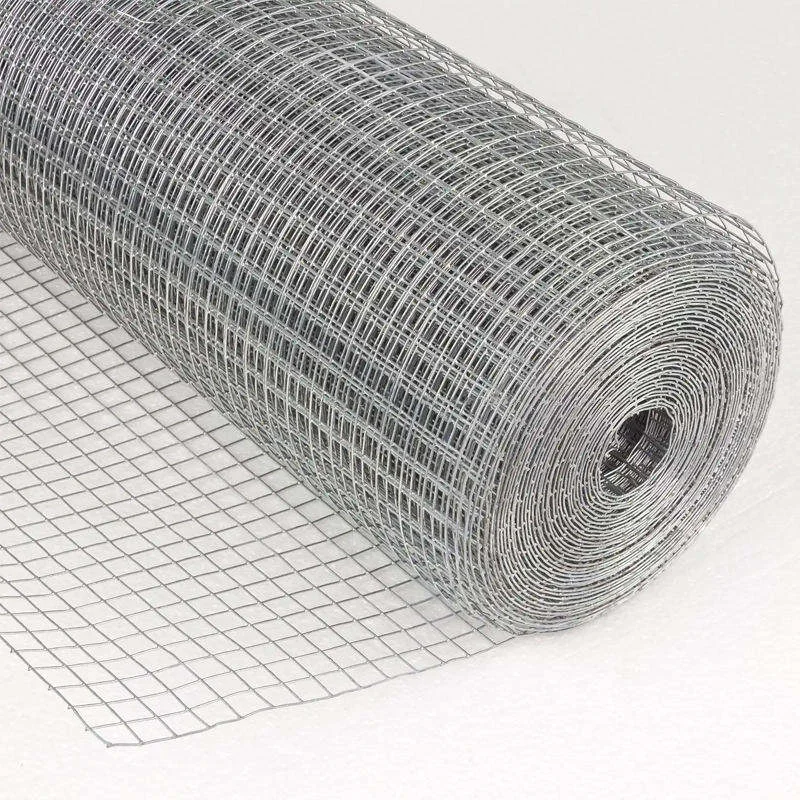
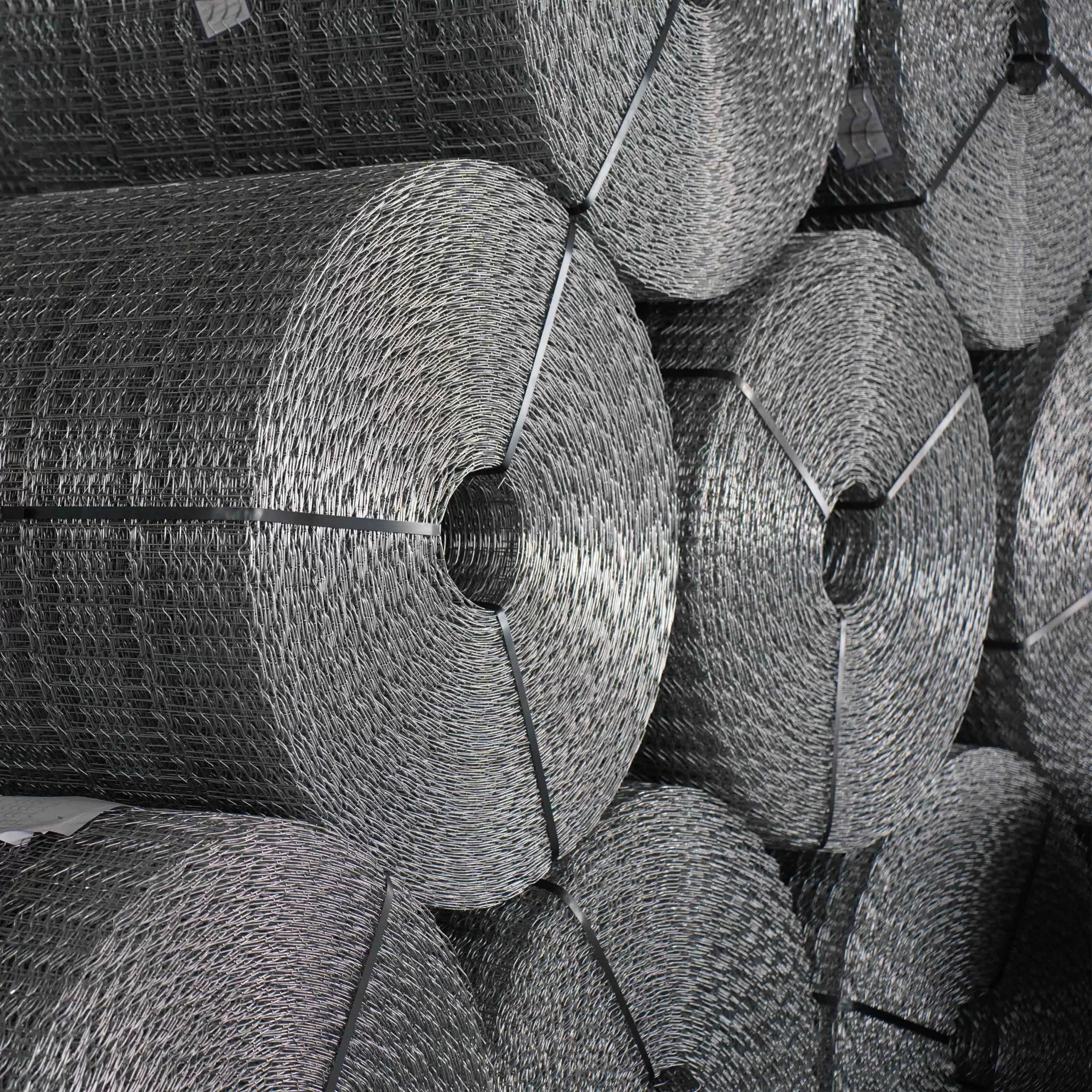
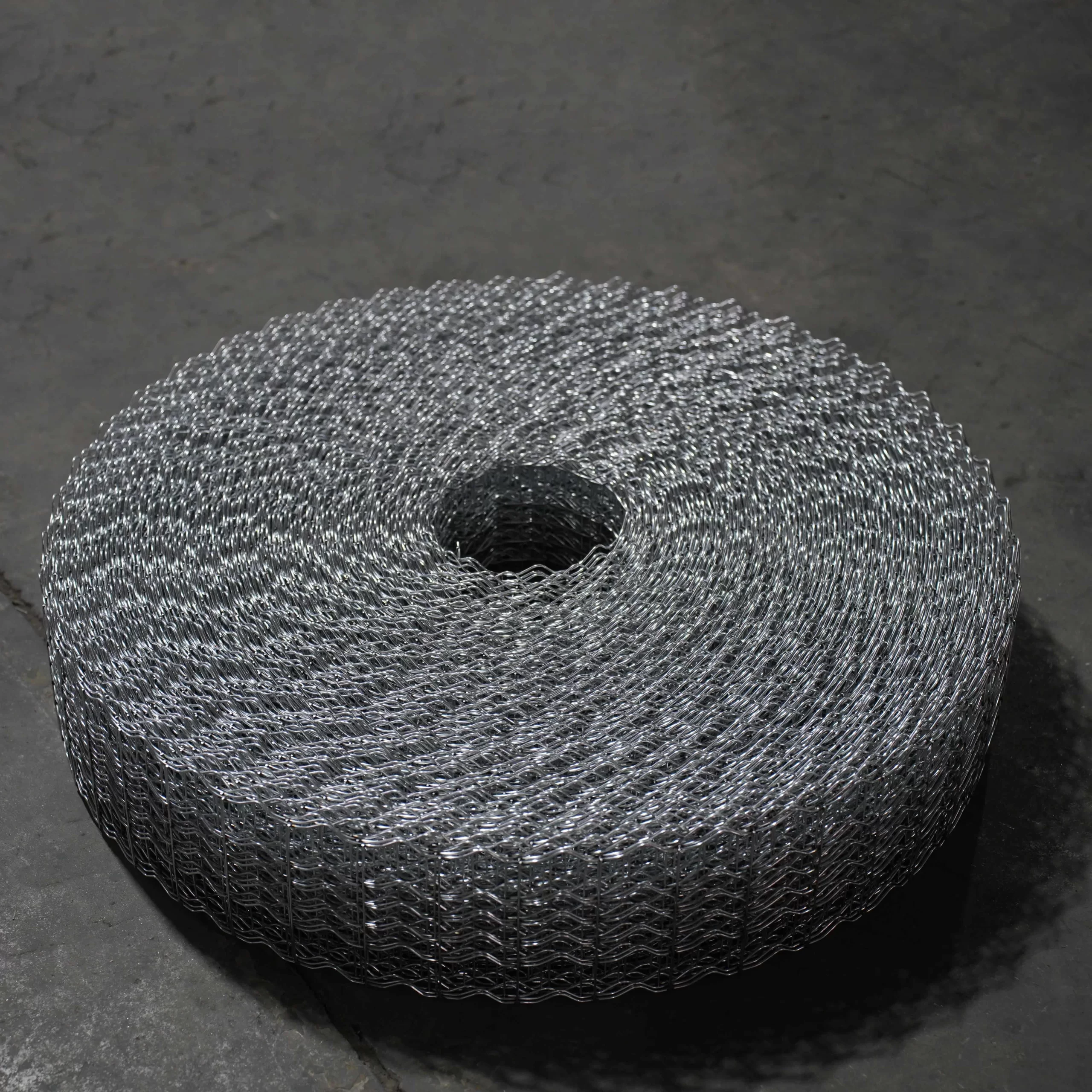
Pipeline reinforced mesh is an essential structural material designed to enhance the strength, stability, and longevity of pipeline systems across various industries. Typically manufactured from high-quality steel wires or rods, this mesh is engineered into a grid-like structure that provides uniform reinforcement and reliable support. It is commonly used in construction, oil and gas, water management, and infrastructure projects where pipelines must withstand external pressure, soil movement, and environmental stress.
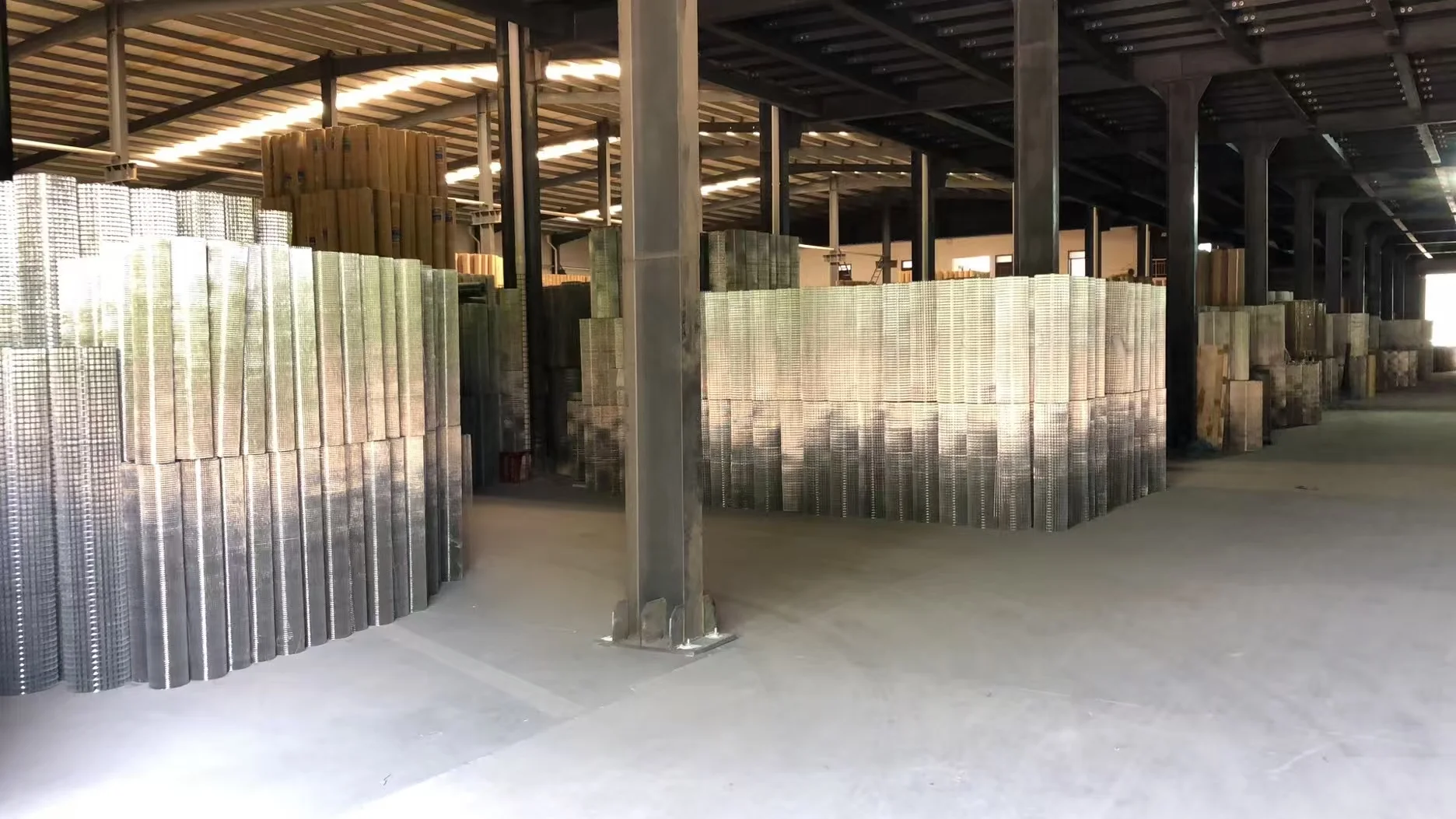
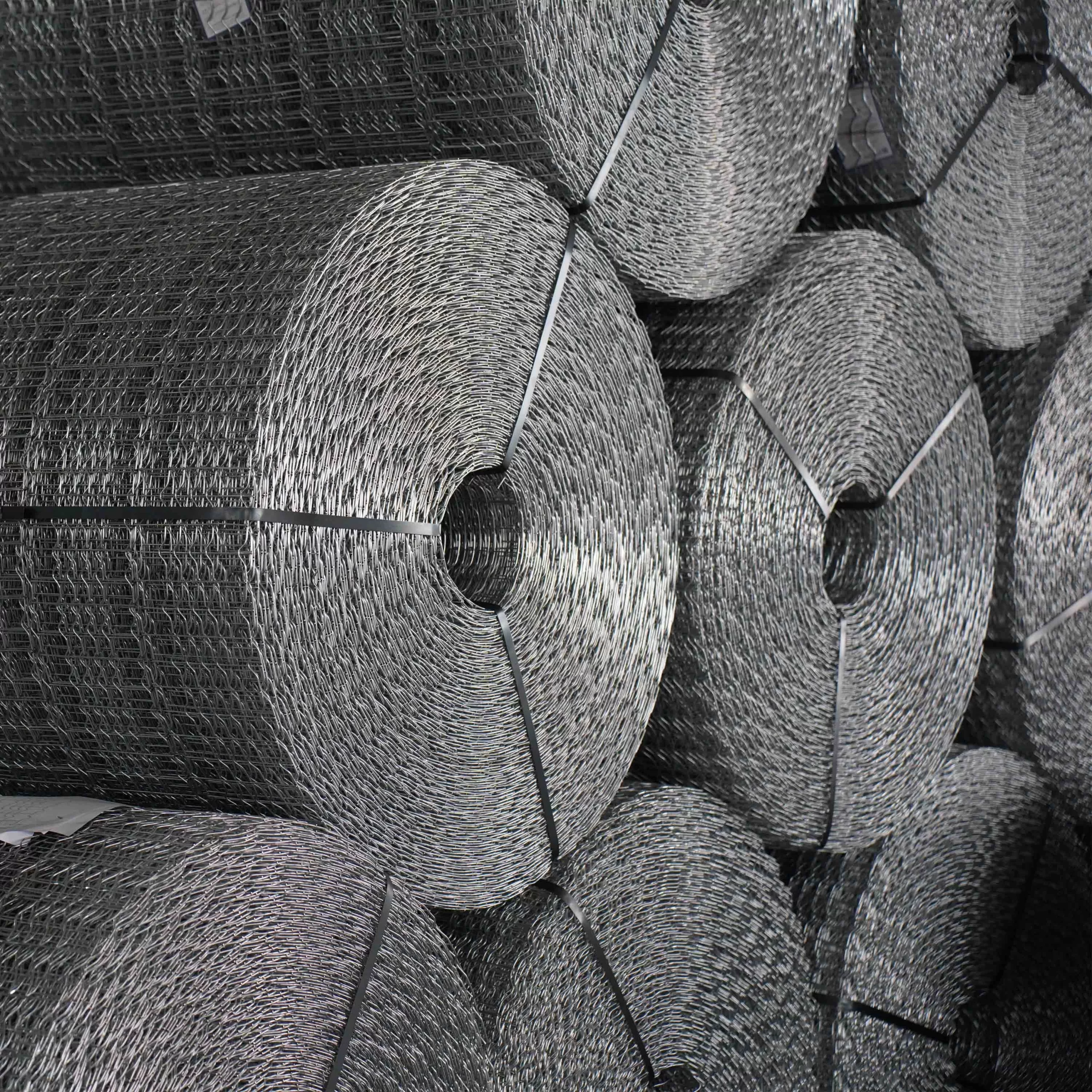
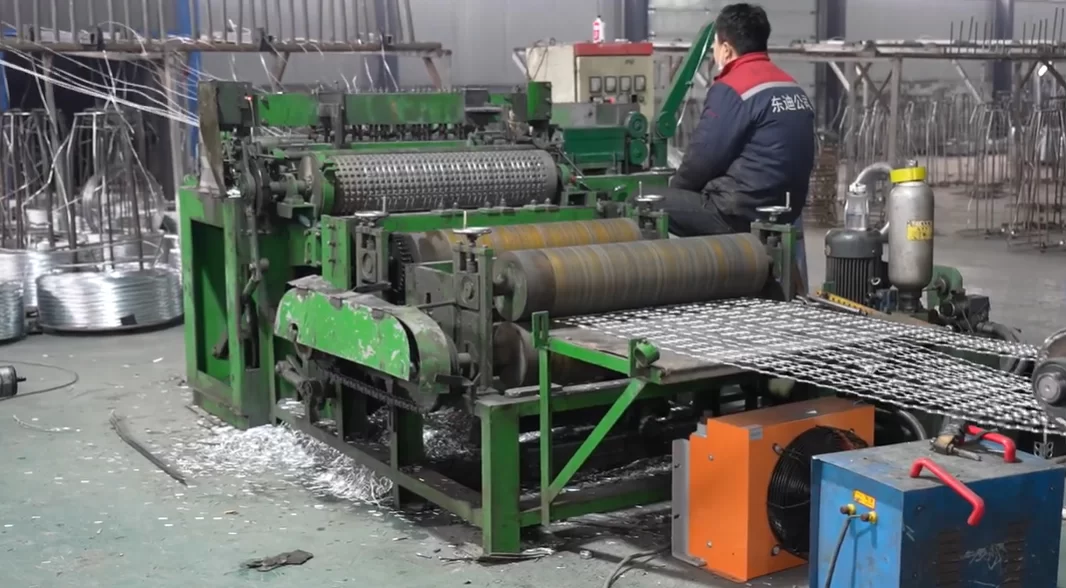
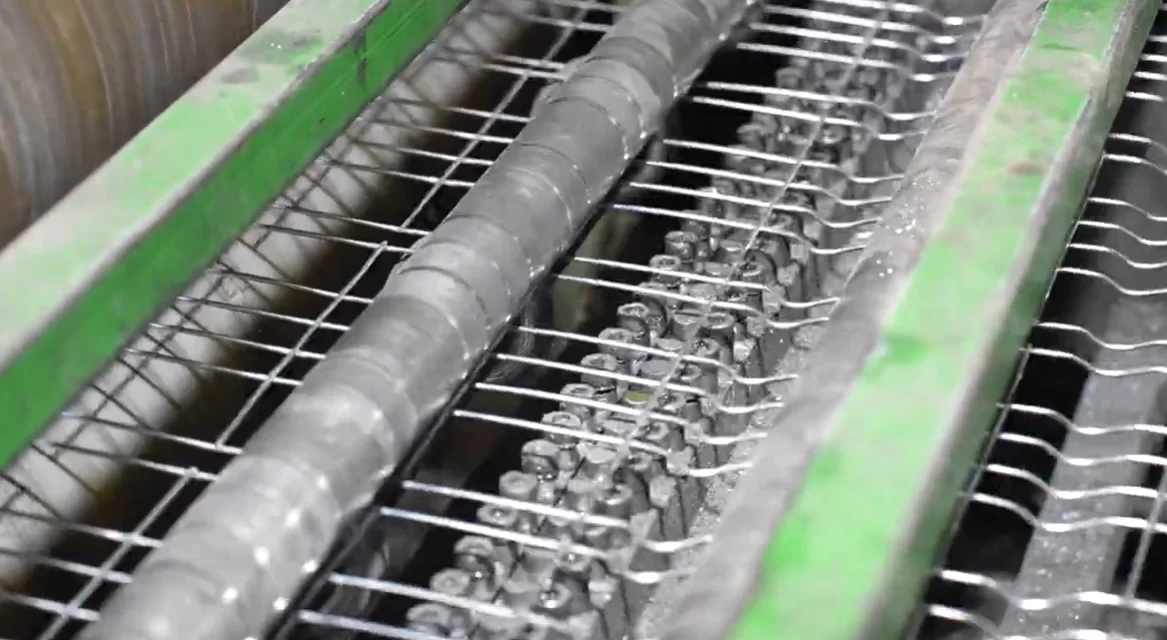
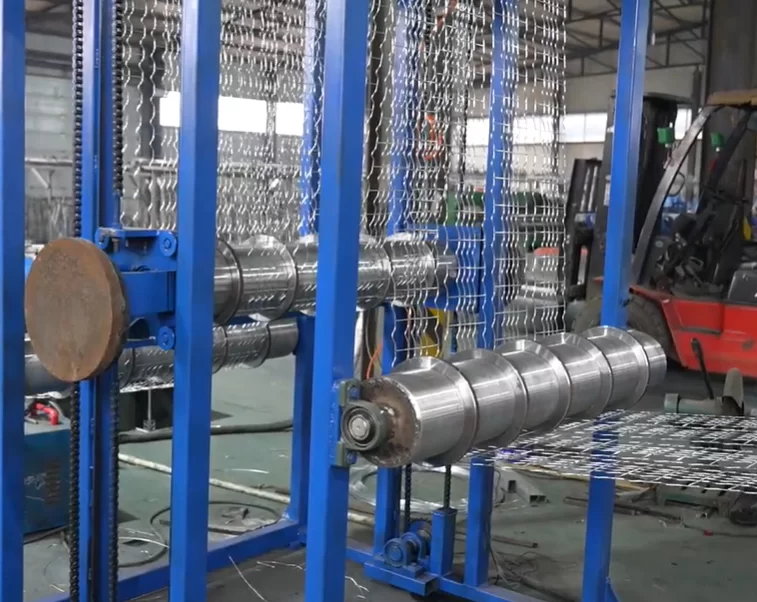
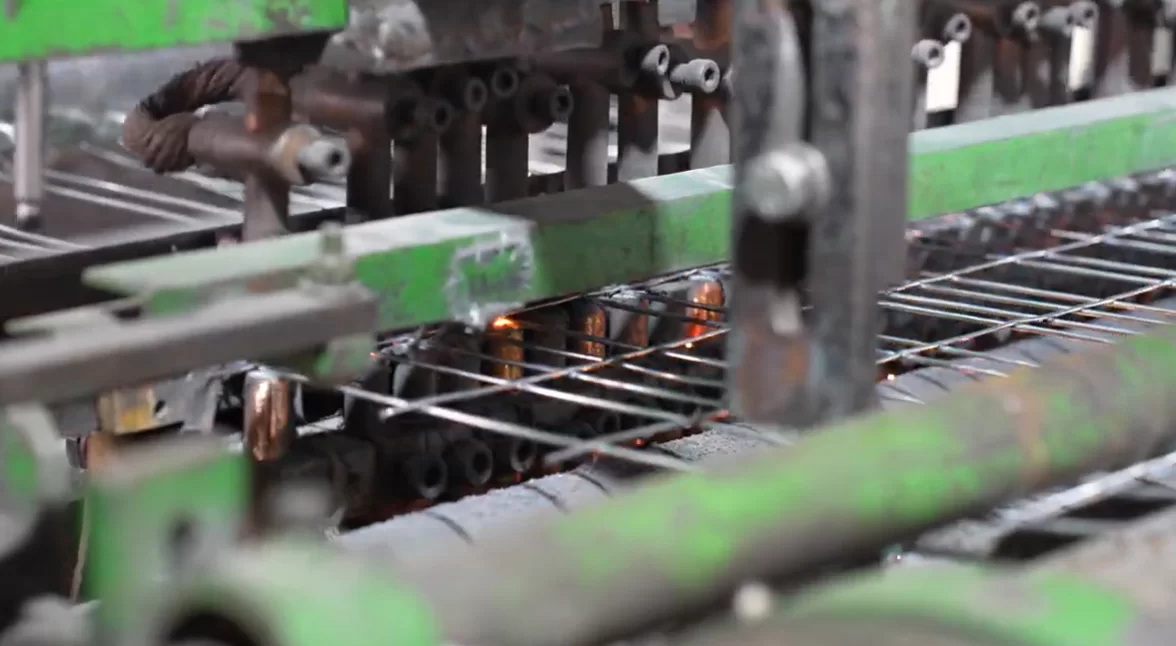
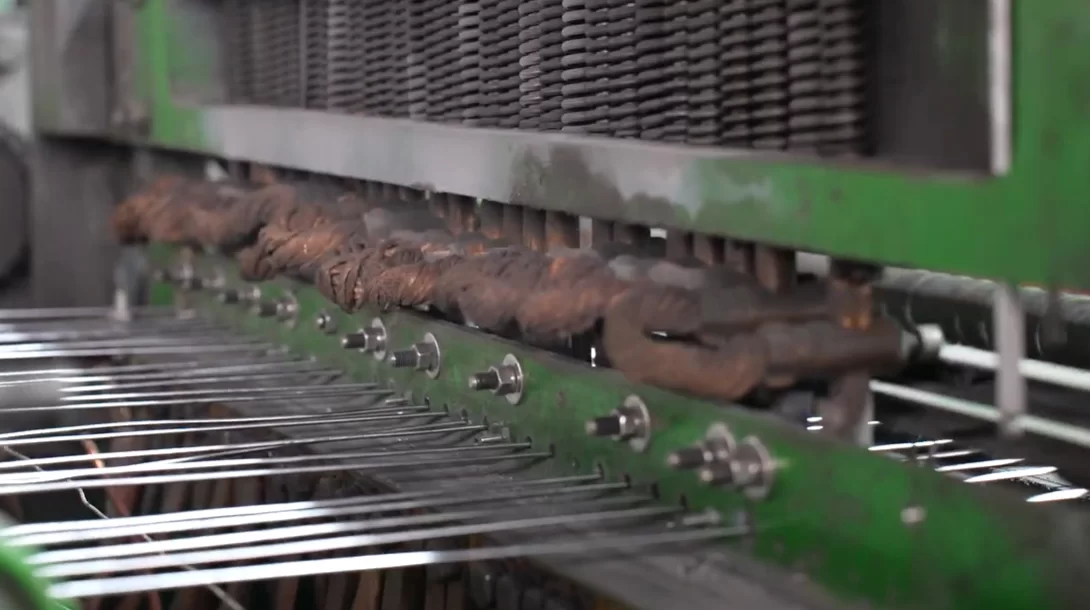
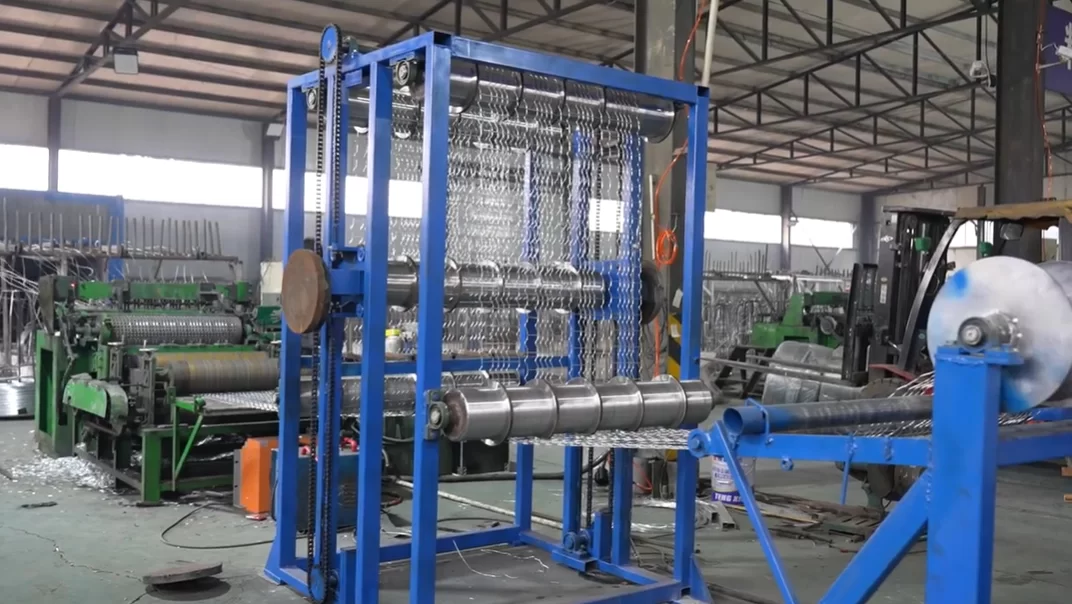
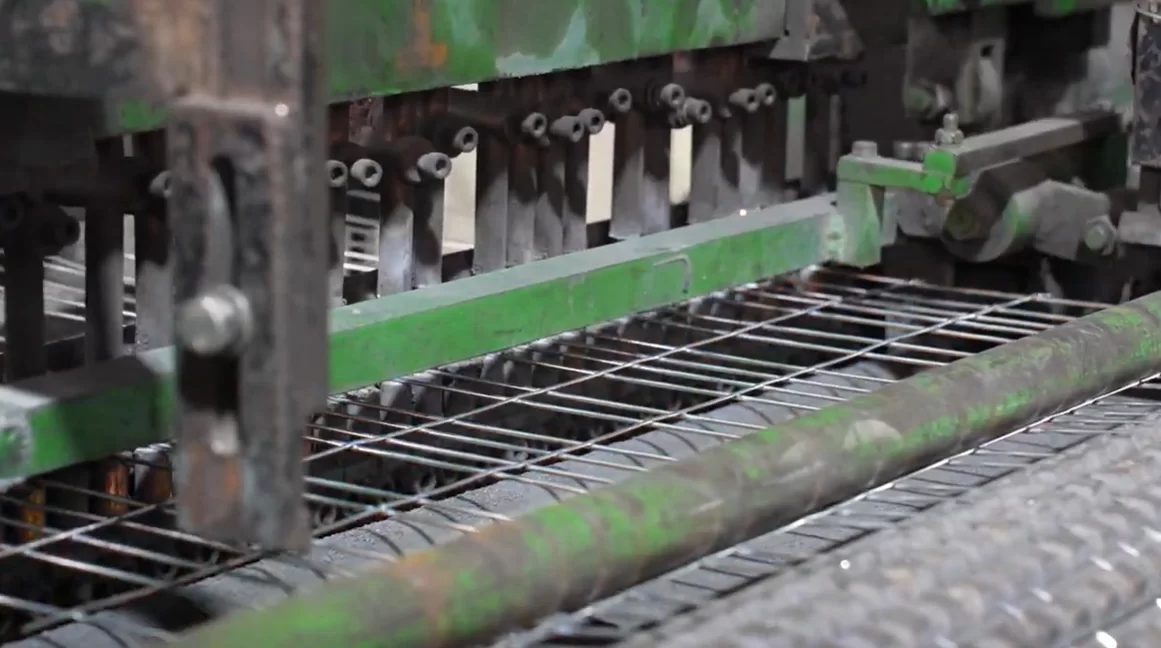
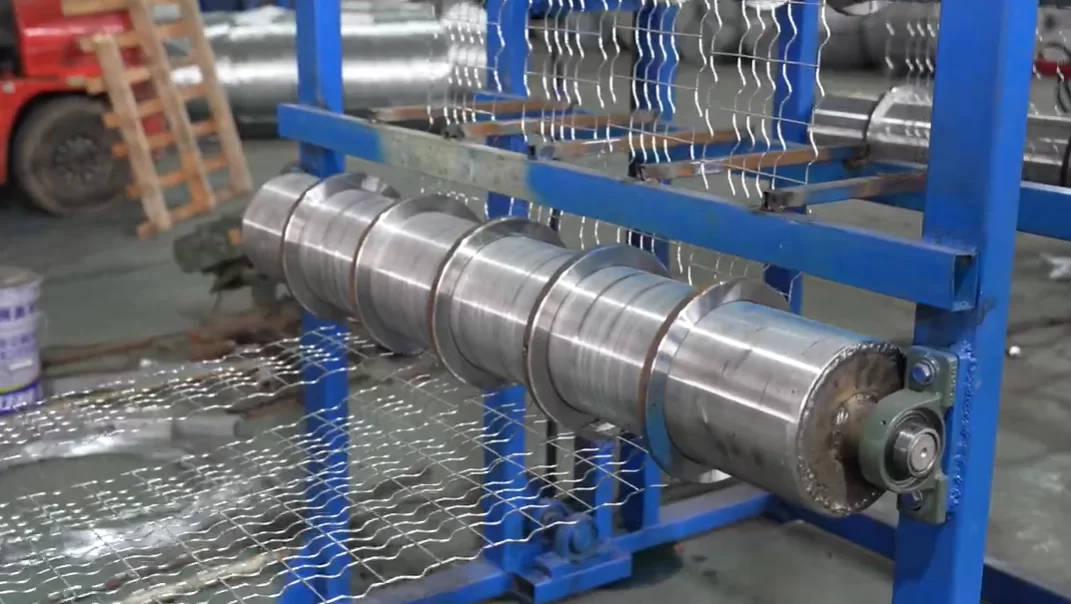
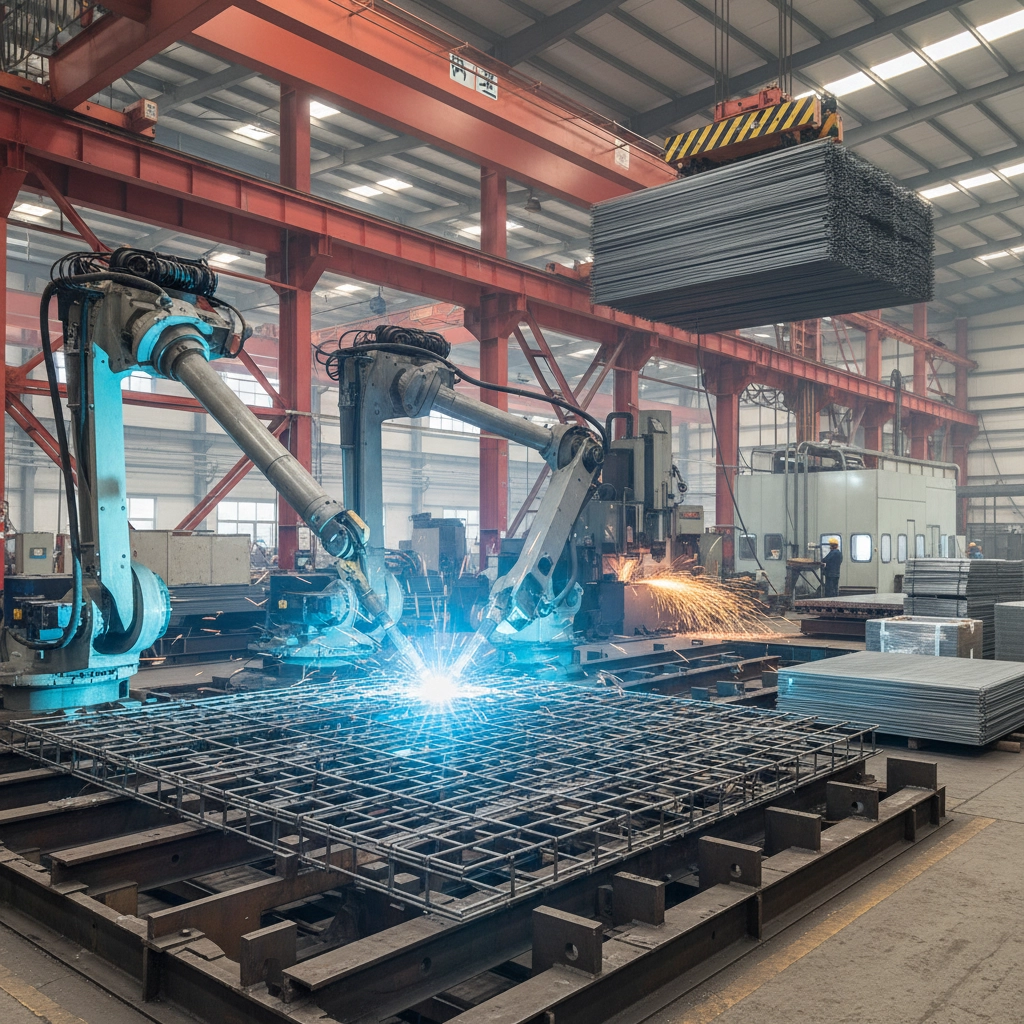
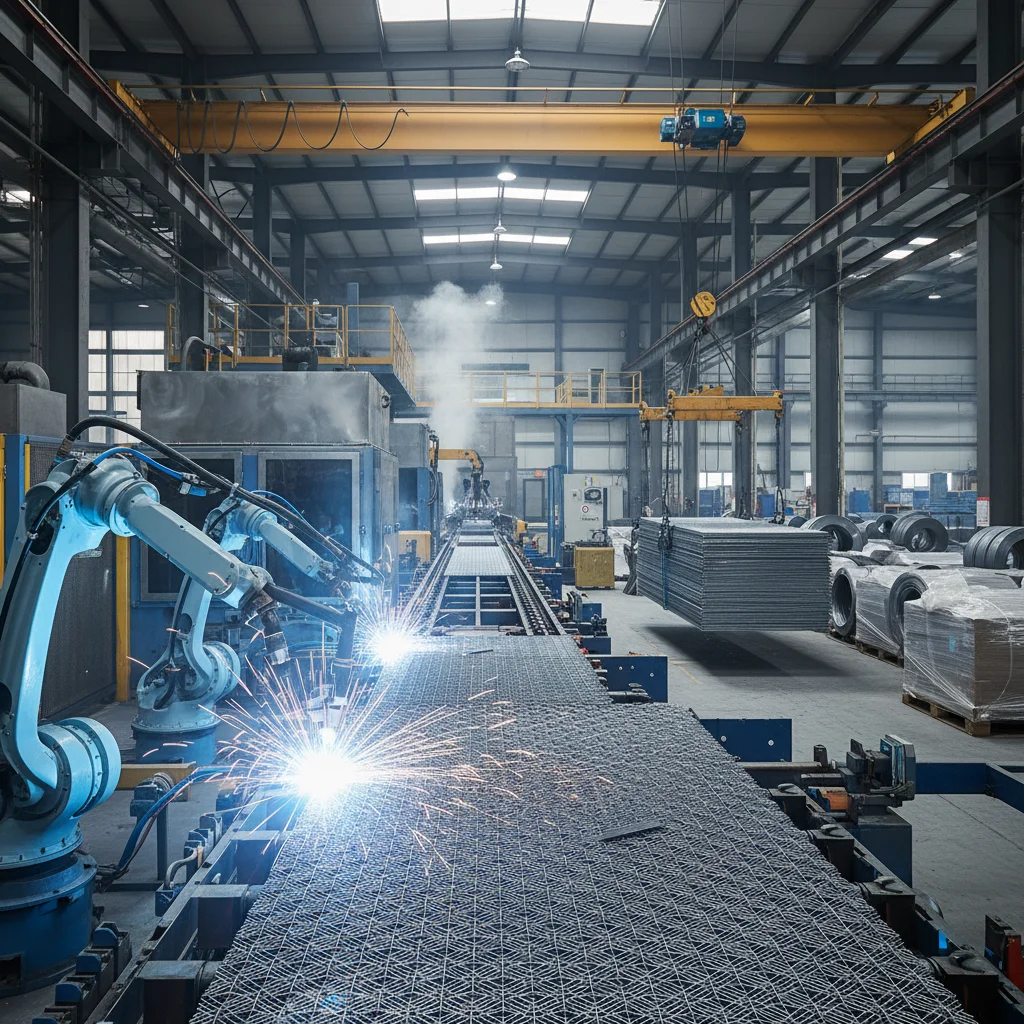
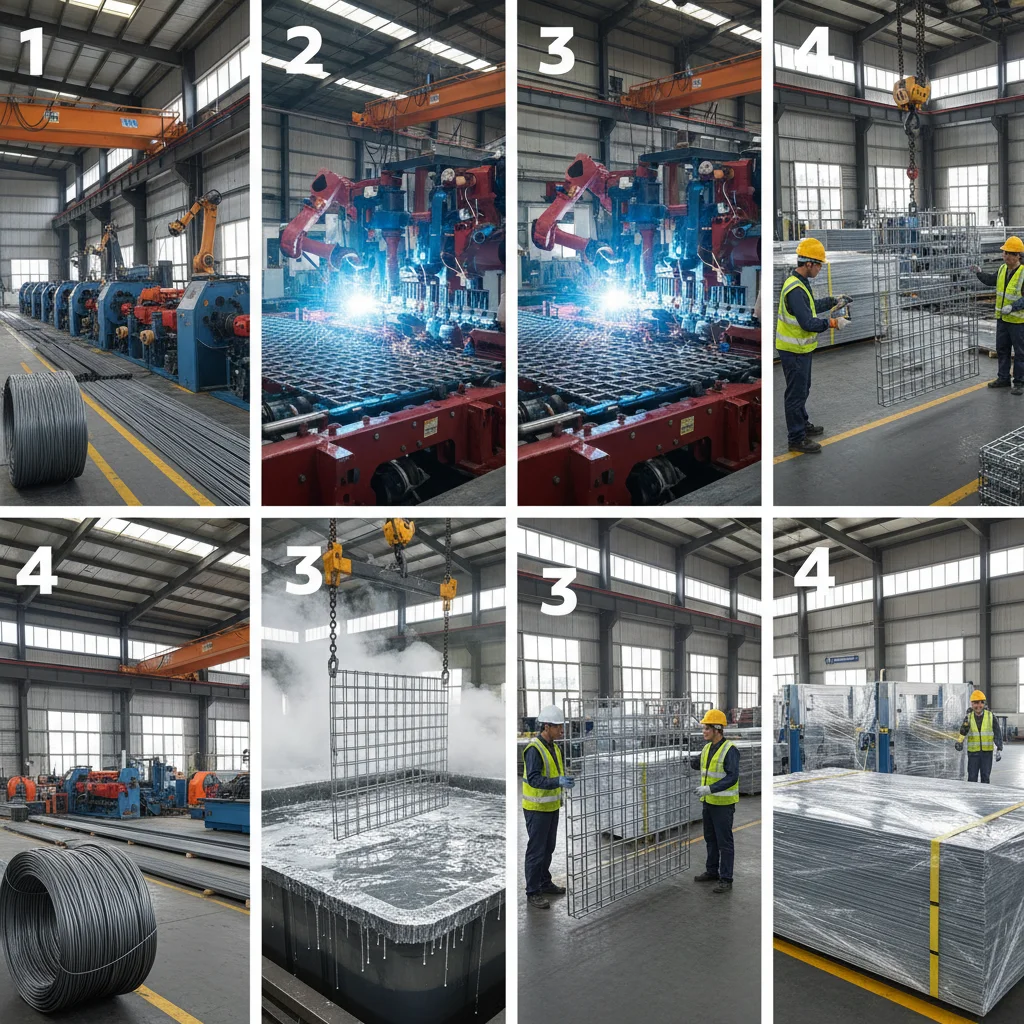
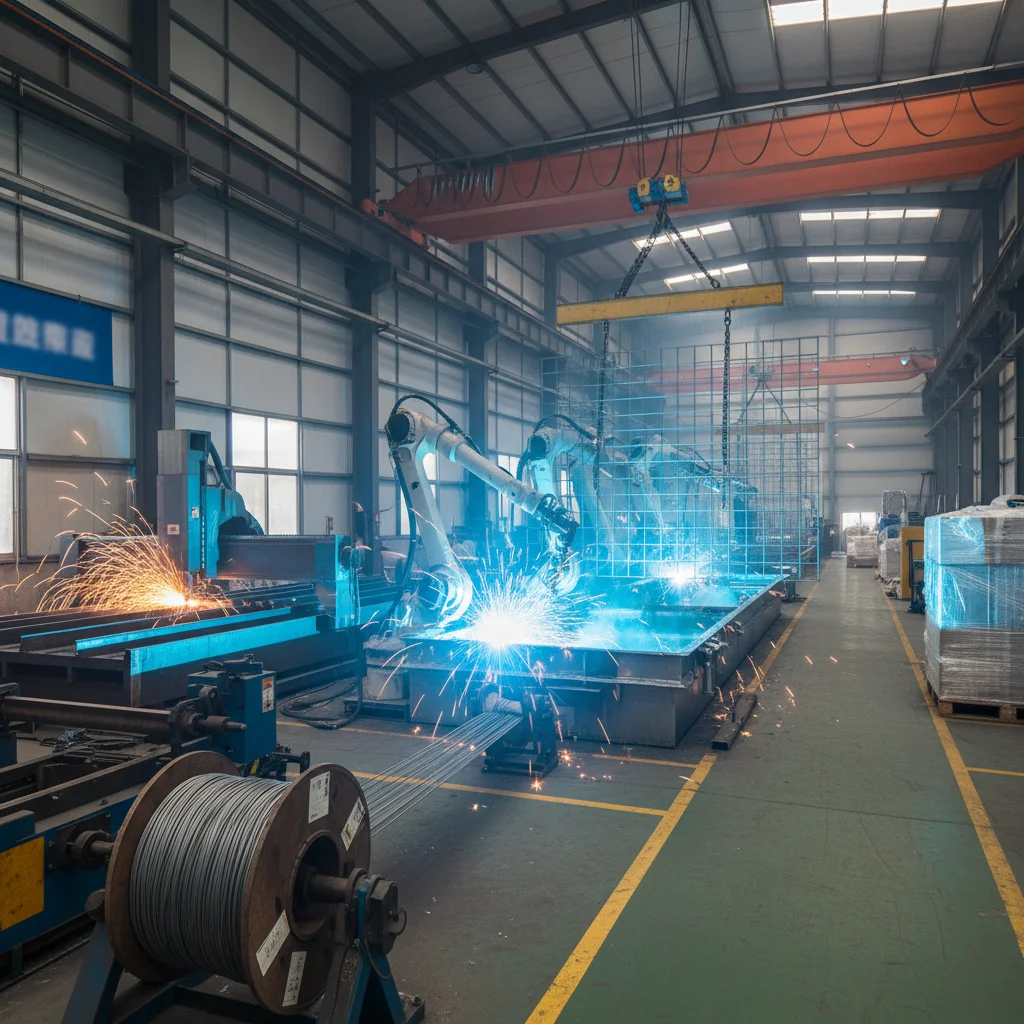
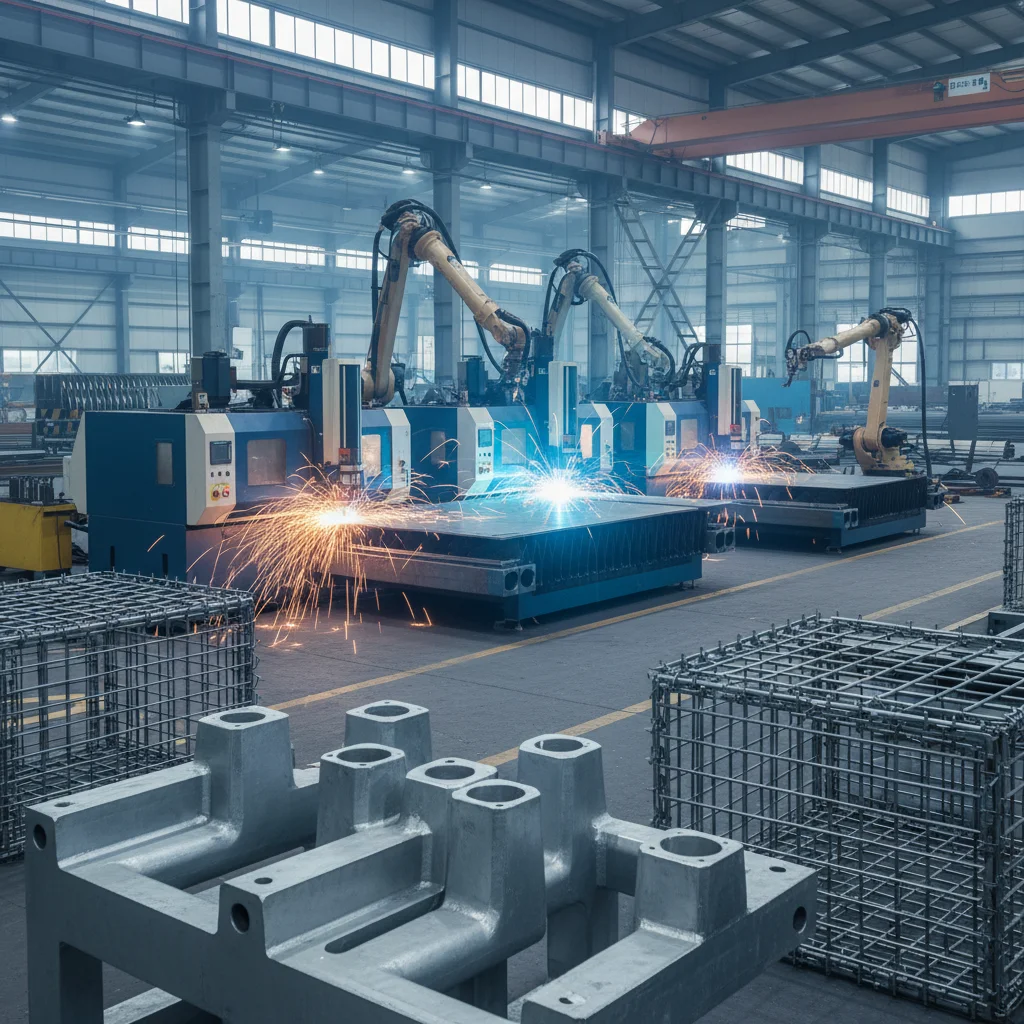
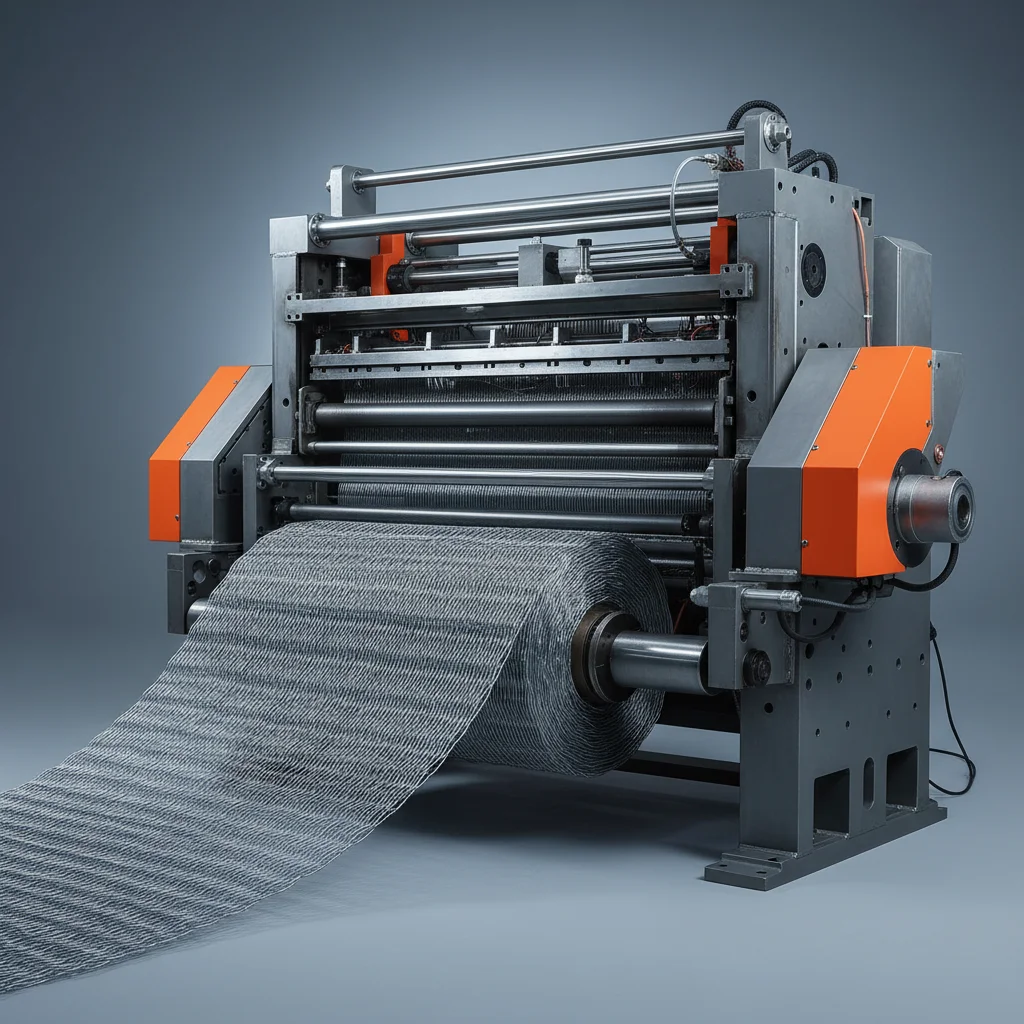
In this video, we take a closer look at what pipeline reinforced mesh is, how it is produced, and why it plays such a critical role in modern engineering. From raw material selection to welding and surface treatment processes such as galvanization or coating, every step is carefully controlled to ensure durability and corrosion resistance. The result is a robust reinforcement solution capable of performing in harsh conditions, including underground installations and high-moisture environments.
One of the primary applications of pipeline reinforced mesh is in trench reinforcement. When pipelines are laid underground, the surrounding soil can shift over time, potentially causing deformation or damage. The mesh acts as a stabilizing layer, distributing loads evenly and preventing localized stress points. This not only protects the pipeline but also extends its operational lifespan.
In addition, pipeline reinforced mesh is widely used in concrete encasement projects. By embedding the mesh within concrete structures surrounding pipelines, engineers can significantly improve tensile strength and crack resistance. This is especially important in high-pressure or high-traffic areas where pipelines are exposed to additional mechanical forces.
Another important application is slope and erosion control. In areas prone to soil erosion, reinforced mesh helps secure the ground around pipelines, reducing the risk of exposure or displacement. It can also be combined with geotechnical materials to further enhance stability and environmental protection.
The key benefits of pipeline reinforced mesh include improved structural integrity, enhanced load distribution, and increased resistance to corrosion and environmental damage. It is also cost-effective, as it reduces maintenance requirements and minimizes the risk of costly repairs or system failures. Furthermore, its adaptability allows it to be customized for different pipeline sizes, soil conditions, and project requirements.
Overall, pipeline reinforced mesh is a reliable and versatile solution that supports safer, more efficient pipeline installations. This video provides valuable insights into its practical applications and demonstrates why it has become a preferred choice for engineers and contractors worldwide.