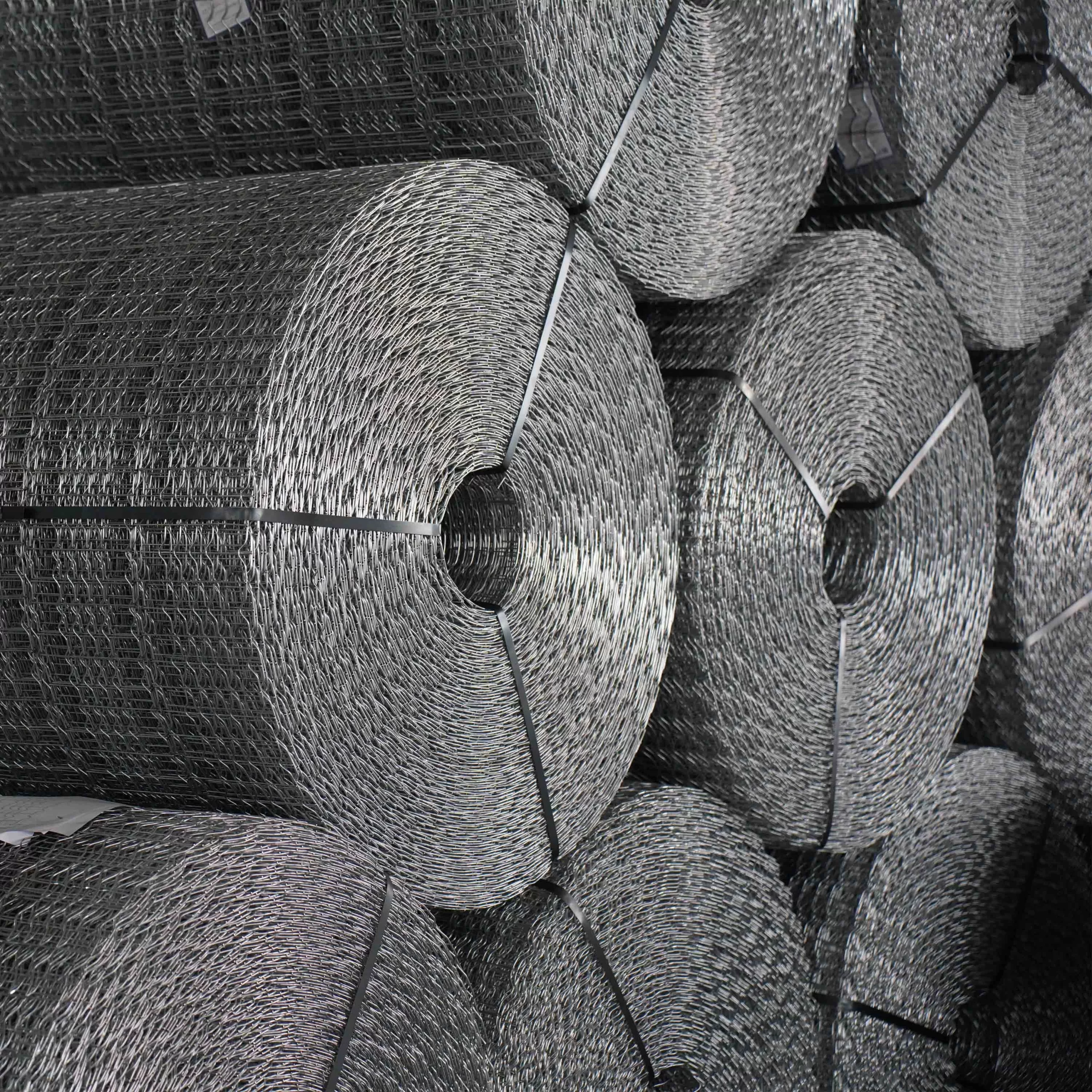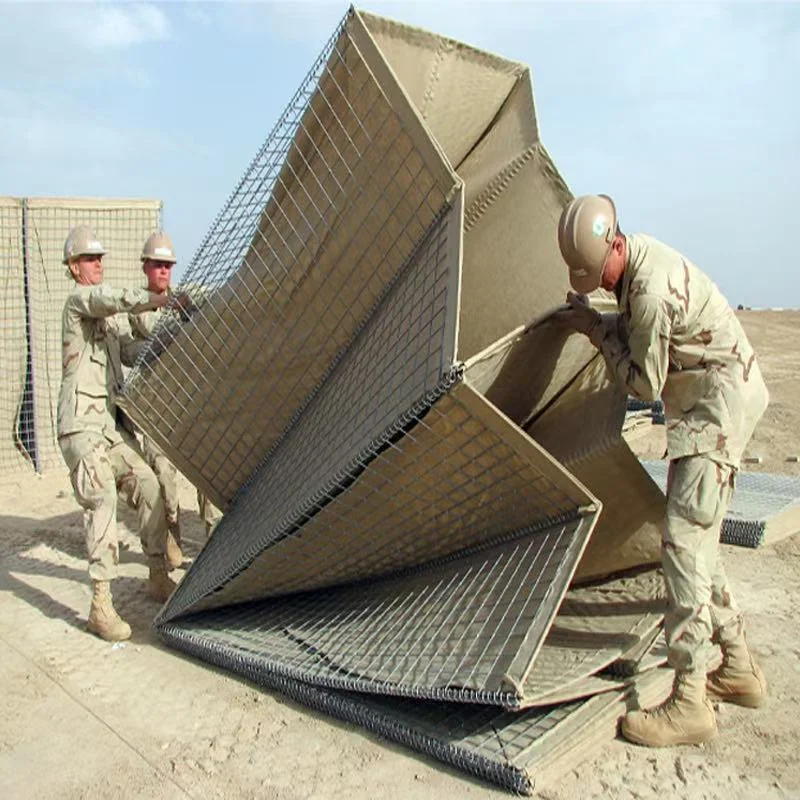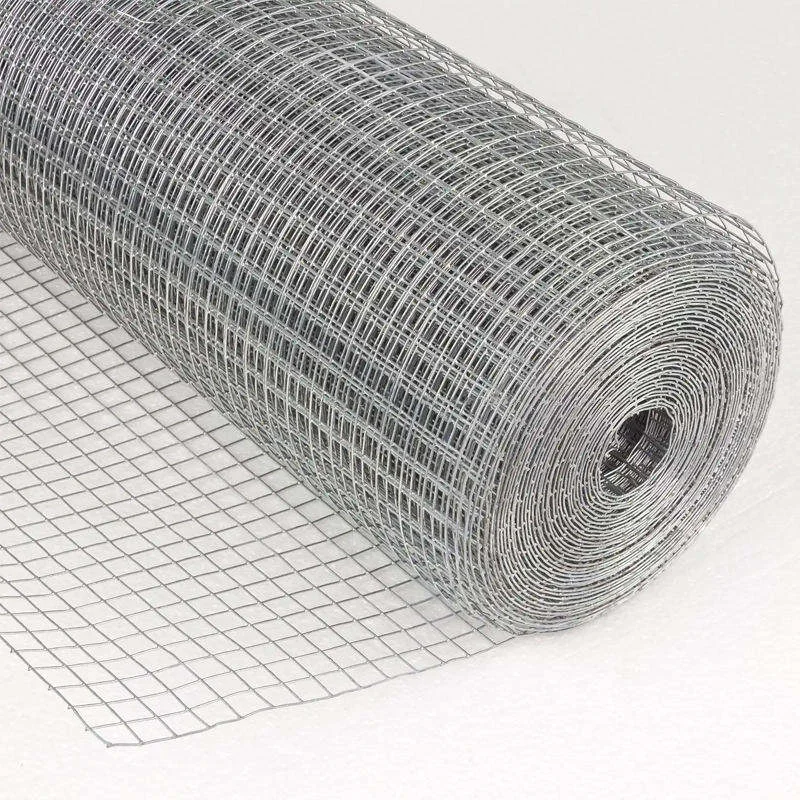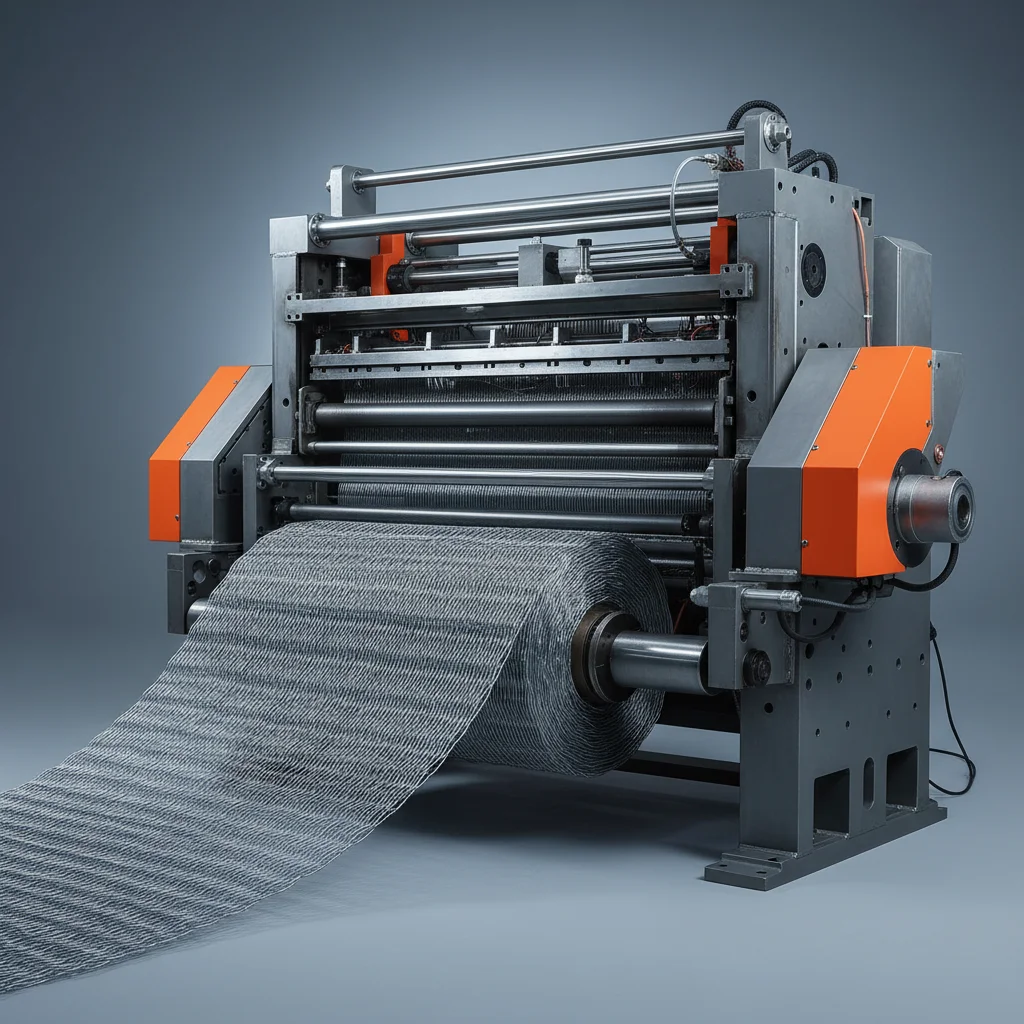

Step-By-Step Installation Guide For Pipeline Reinforced Mesh Systems
Proper installation of pipeline reinforced mesh is essential to ensure maximum performance, structural stability, and long-term durability in infrastructure projects. In this video, we provide a clear, step-by-step guide to help engineers, contractors, and project managers correctly install pipeline reinforced mesh systems for optimal results.
The process begins with thorough site preparation. Before installation, the trench or foundation area must be carefully excavated and leveled according to project specifications. Any loose soil, debris, or standing water should be removed to create a stable base. A compacted subgrade or a layer of bedding material, such as sand or gravel, is typically added to provide uniform support for both the pipeline and the reinforced mesh.
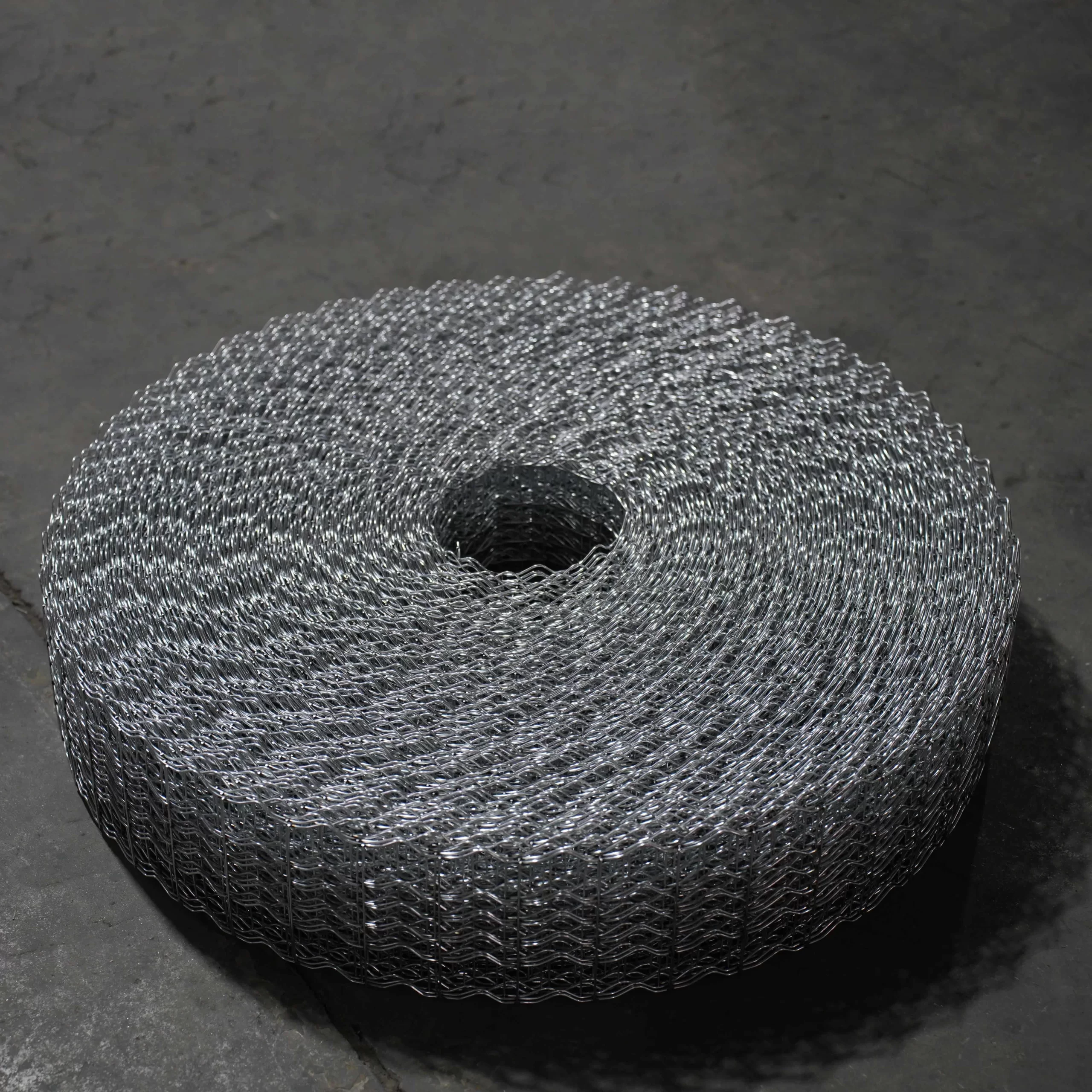
Next, the pipeline is positioned in place, ensuring proper alignment and elevation. Once the pipeline is secured, the reinforced mesh is laid around or above the pipeline, depending on the design requirements. It is important to ensure that the mesh is evenly distributed and properly aligned with the pipeline structure. Overlapping sections of mesh should be securely tied together using steel wire or fasteners to maintain continuity and strength throughout the system.
The third step involves anchoring and fixing the mesh. This may include the use of spacers, supports, or fixing pins to hold the mesh in position during the backfilling or concrete pouring process. Proper fixation prevents displacement and ensures that the mesh performs its reinforcing function effectively once the system is completed.
Following mesh placement, backfilling or concrete encasement is carried out. If soil backfill is used, it should be applied in layers and compacted gradually to avoid shifting the mesh or pipeline. In concrete applications, care must be taken to ensure even pouring and proper vibration to eliminate air pockets and achieve full coverage around the mesh. This step is critical for achieving strong bonding and structural integrity.
Inspection and quality control are also key components of the installation process. Before finalizing the project, all mesh connections, overlaps, and positioning should be carefully checked to ensure compliance with engineering standards. Any misalignment or loose sections should be corrected immediately.
Finally, surface restoration and finishing work are completed, returning the site to its original condition or preparing it for further construction. Proper installation not only enhances the strength and durability of the pipeline system but also reduces maintenance needs and extends service life.
This video walks you through each stage of the installation process, offering practical insights and best practices to ensure successful implementation of pipeline reinforced mesh systems in real-world projects.