
Pipeline Reinforced Mesh Vs Traditional Methods: Which Performs Better?
In modern pipeline construction and protection, choosing the right reinforcement method is critical to ensuring long-term performance, safety, and cost efficiency. In this video, we compare pipeline reinforced mesh with traditional reinforcement methods to determine which solution delivers better results in real-world infrastructure projects.
Traditional pipeline protection methods often rely on basic soil compaction, plain concrete encasement, or loosely arranged steel bars. While these approaches have been used for decades, they can present limitations in terms of consistency, strength distribution, and long-term durability. Uneven compaction or improper placement of reinforcement materials may lead to stress concentration, cracking, or structural weakness over time.
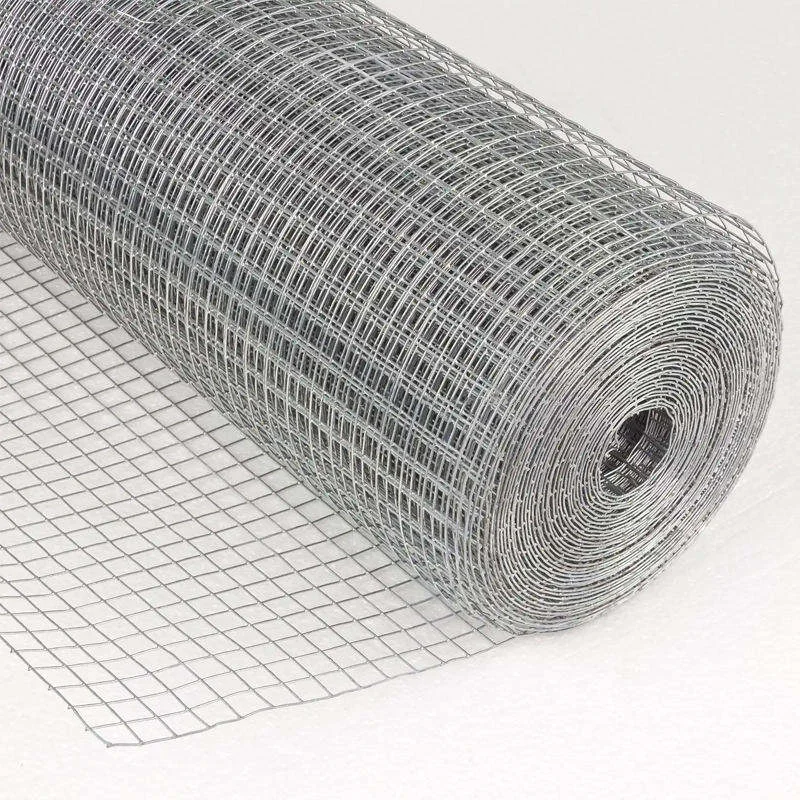
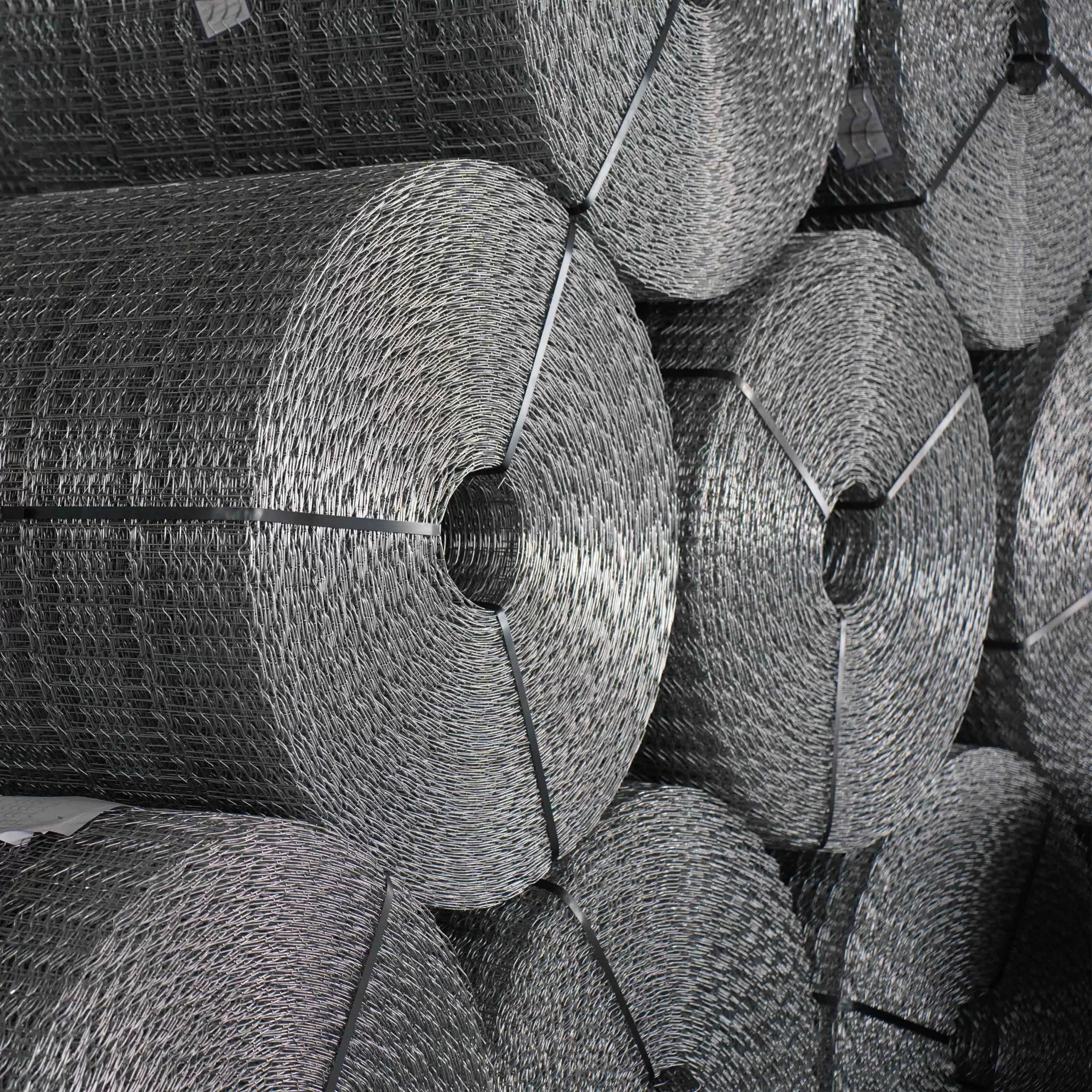
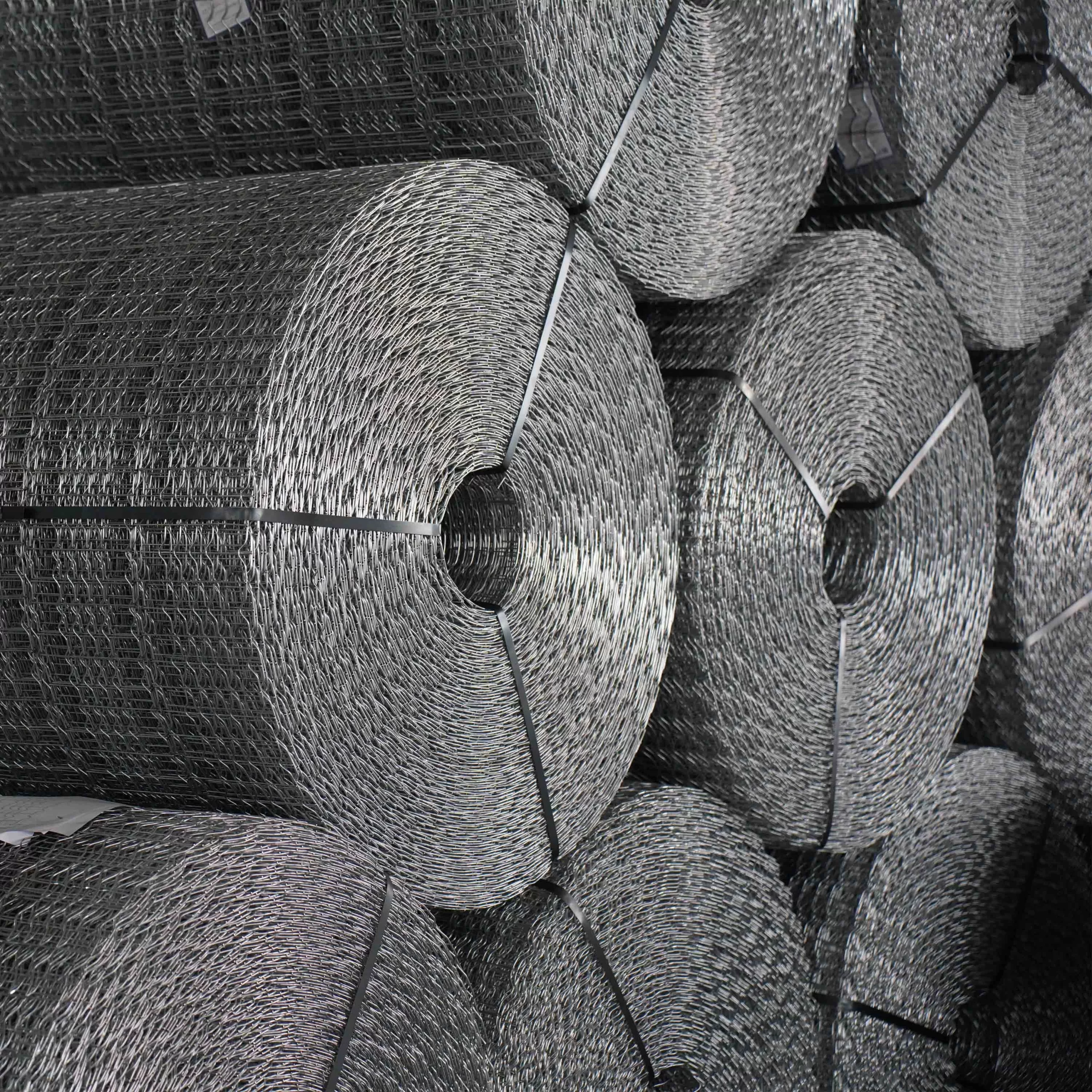
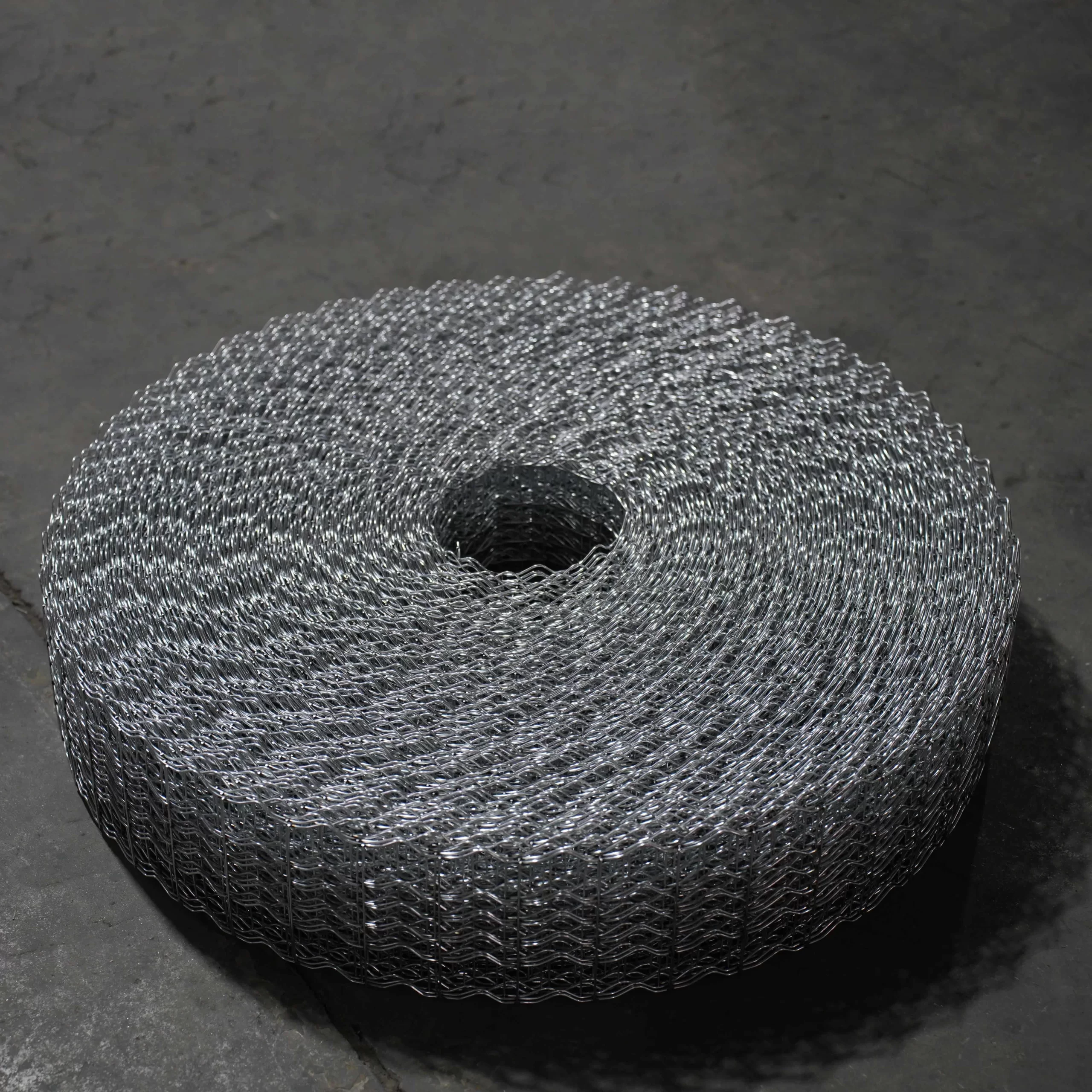
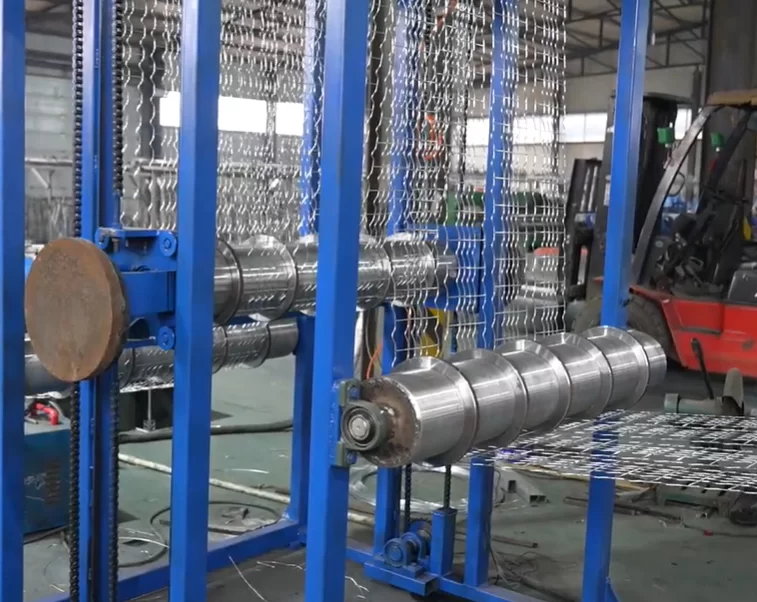
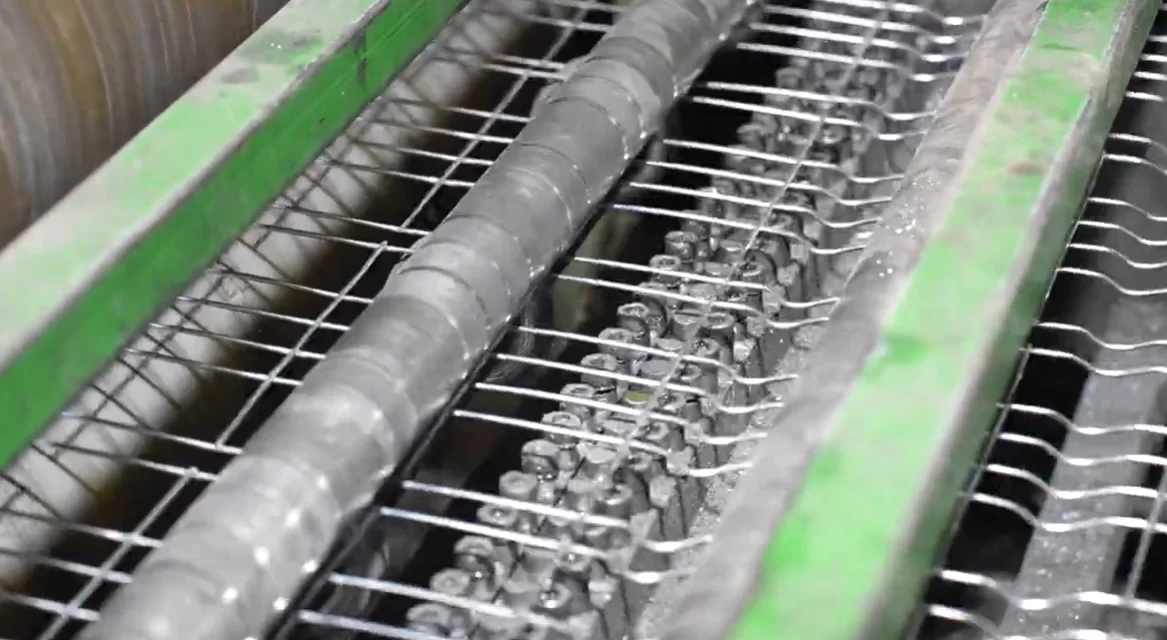
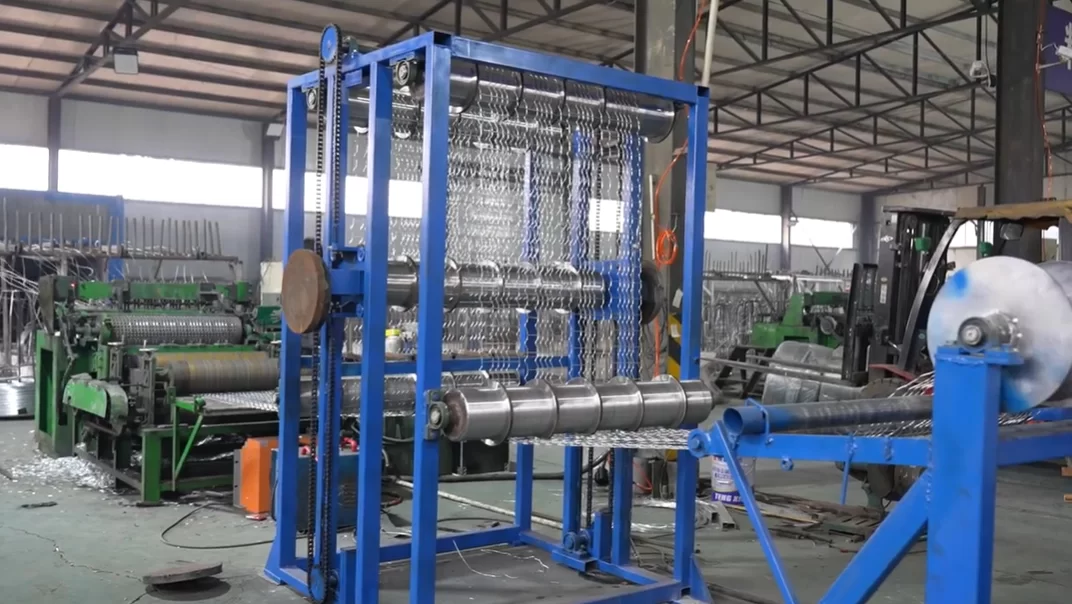
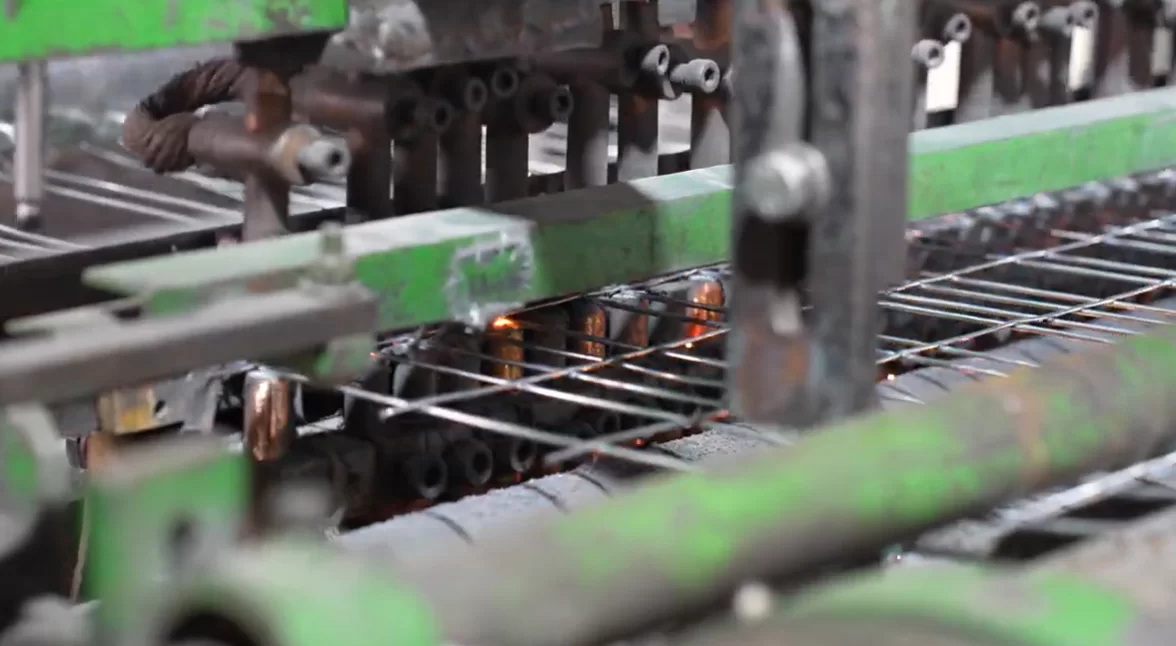
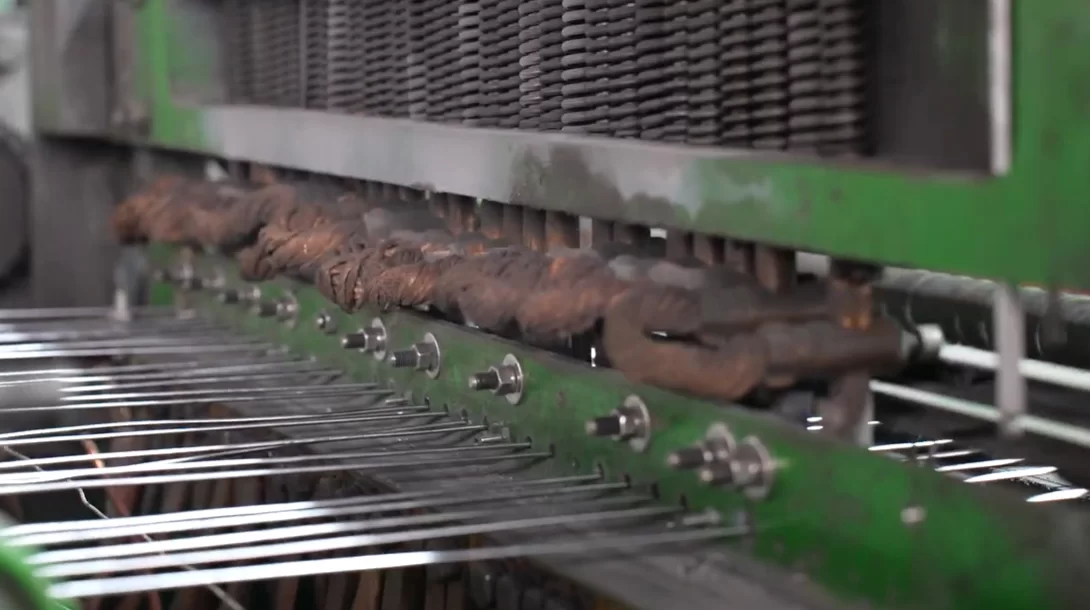
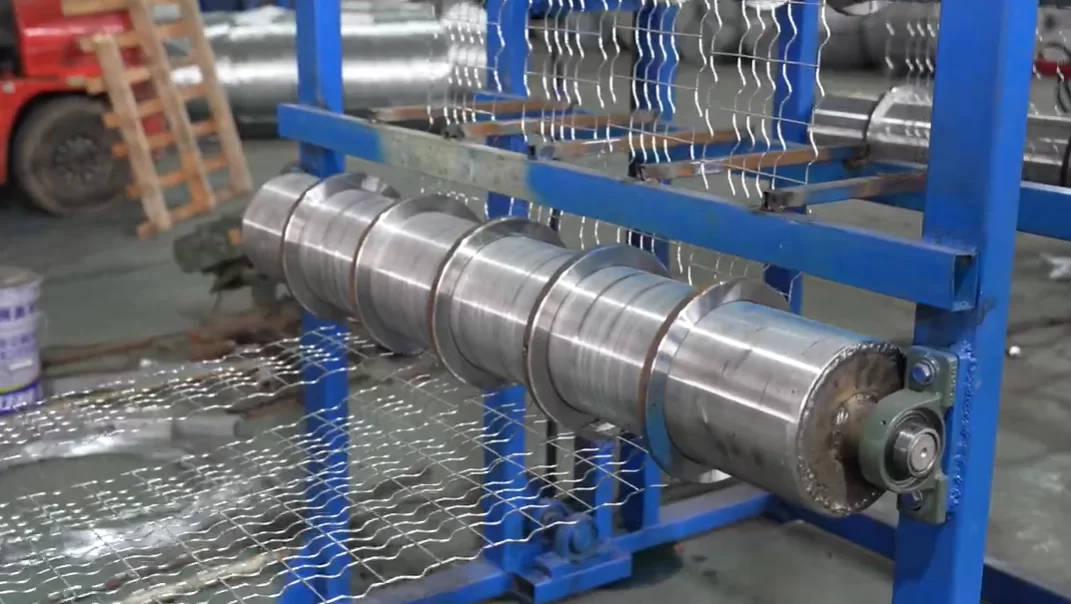
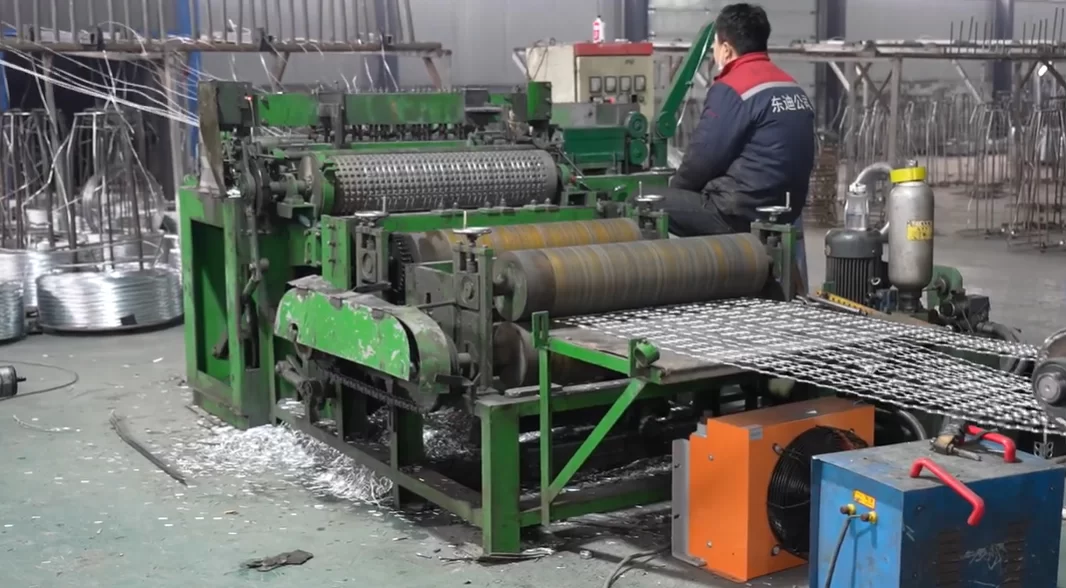
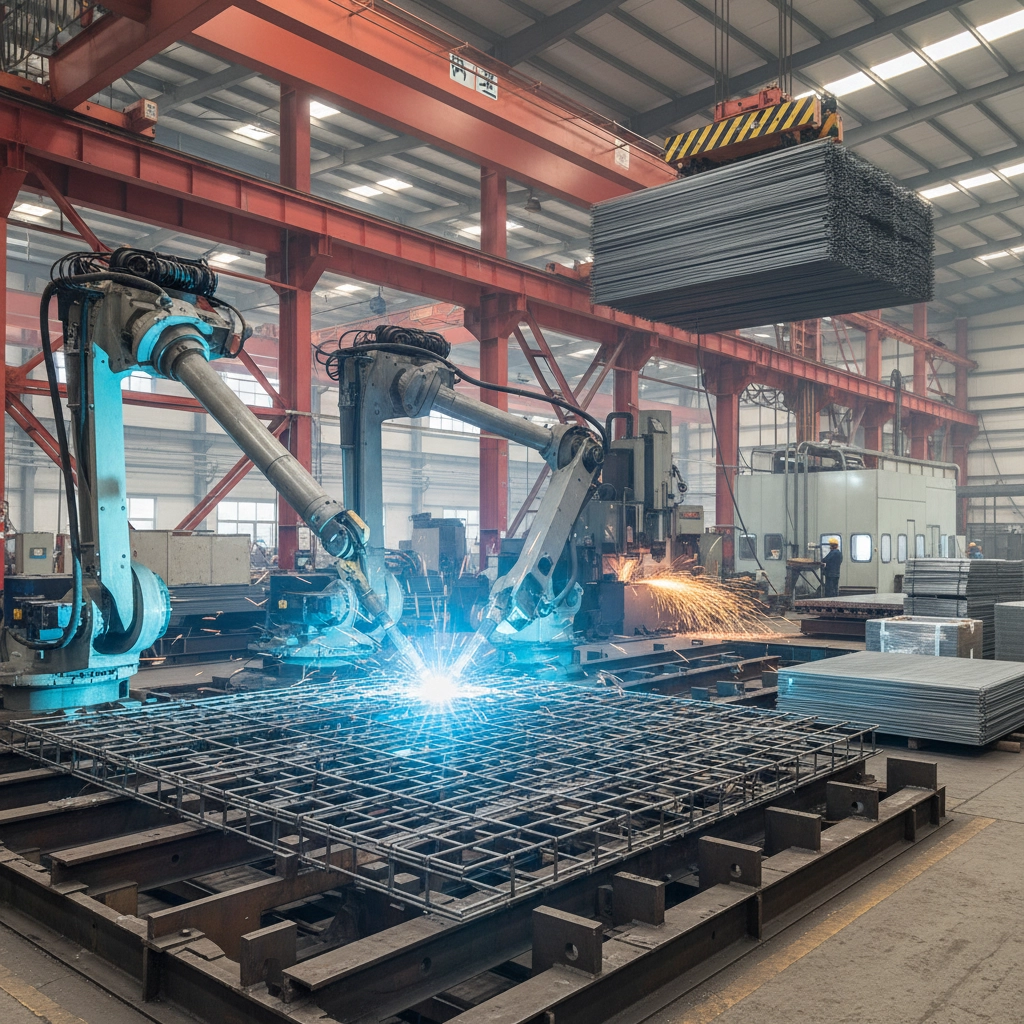
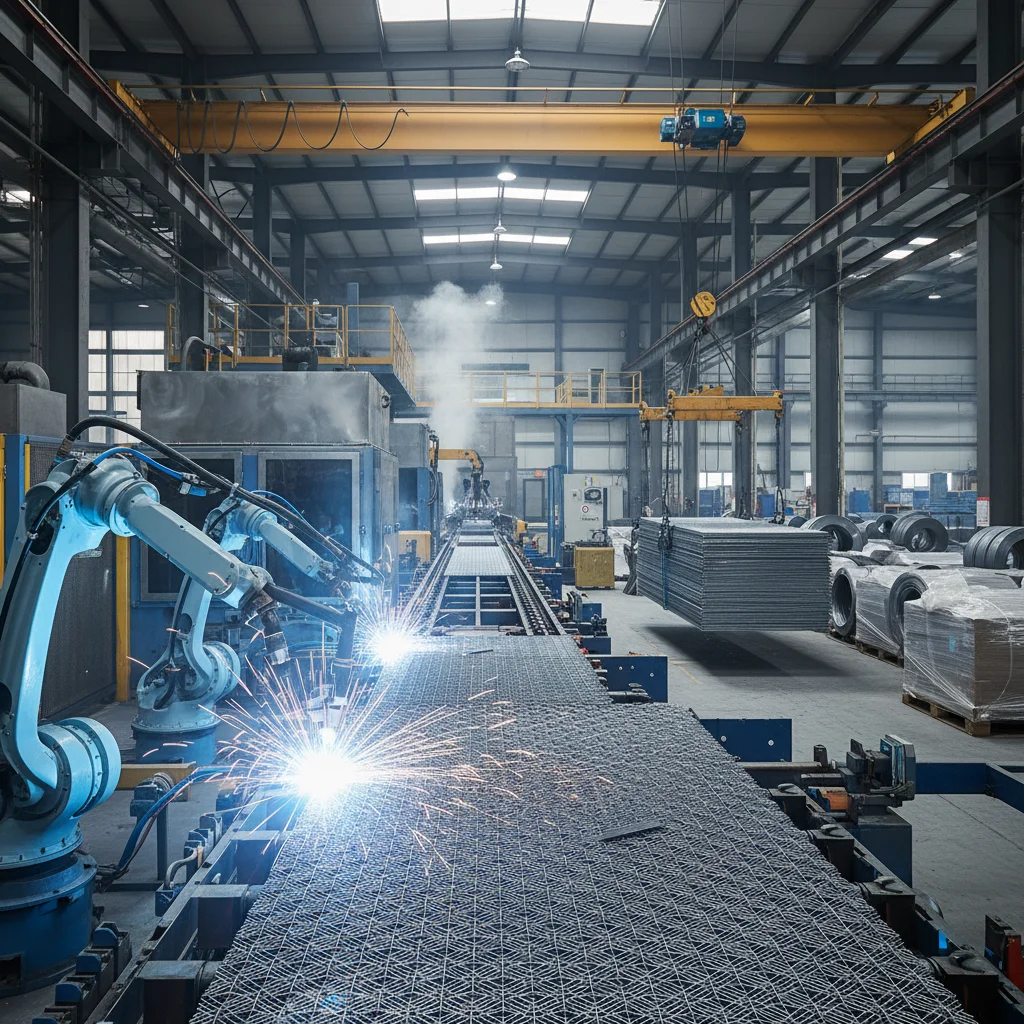
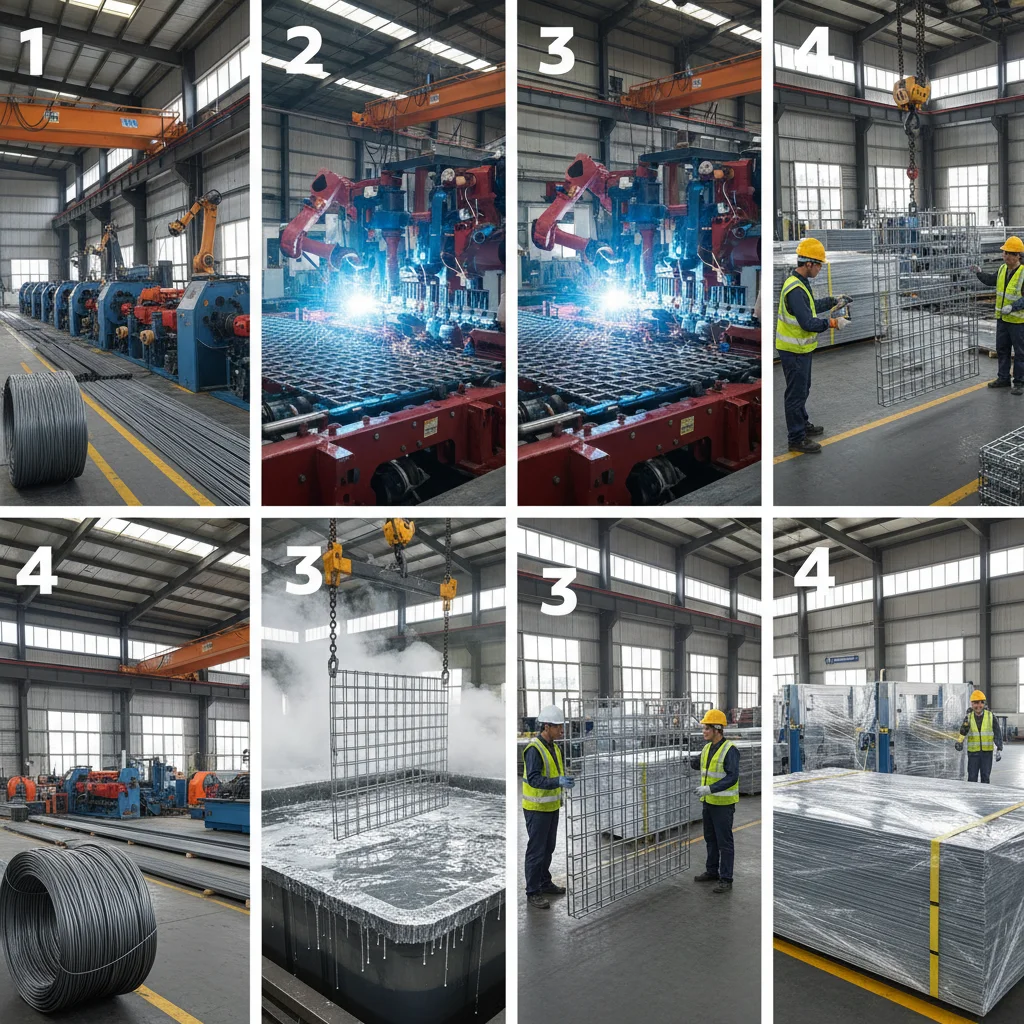
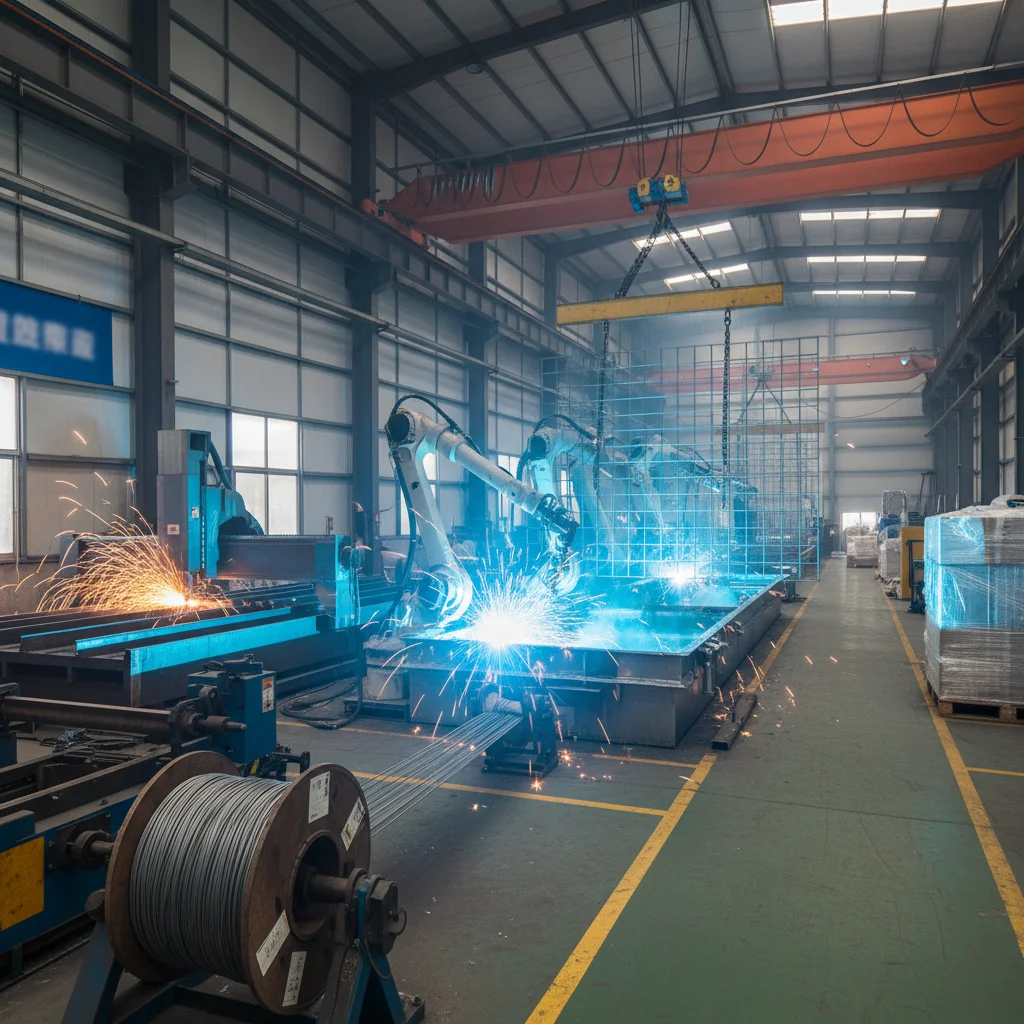
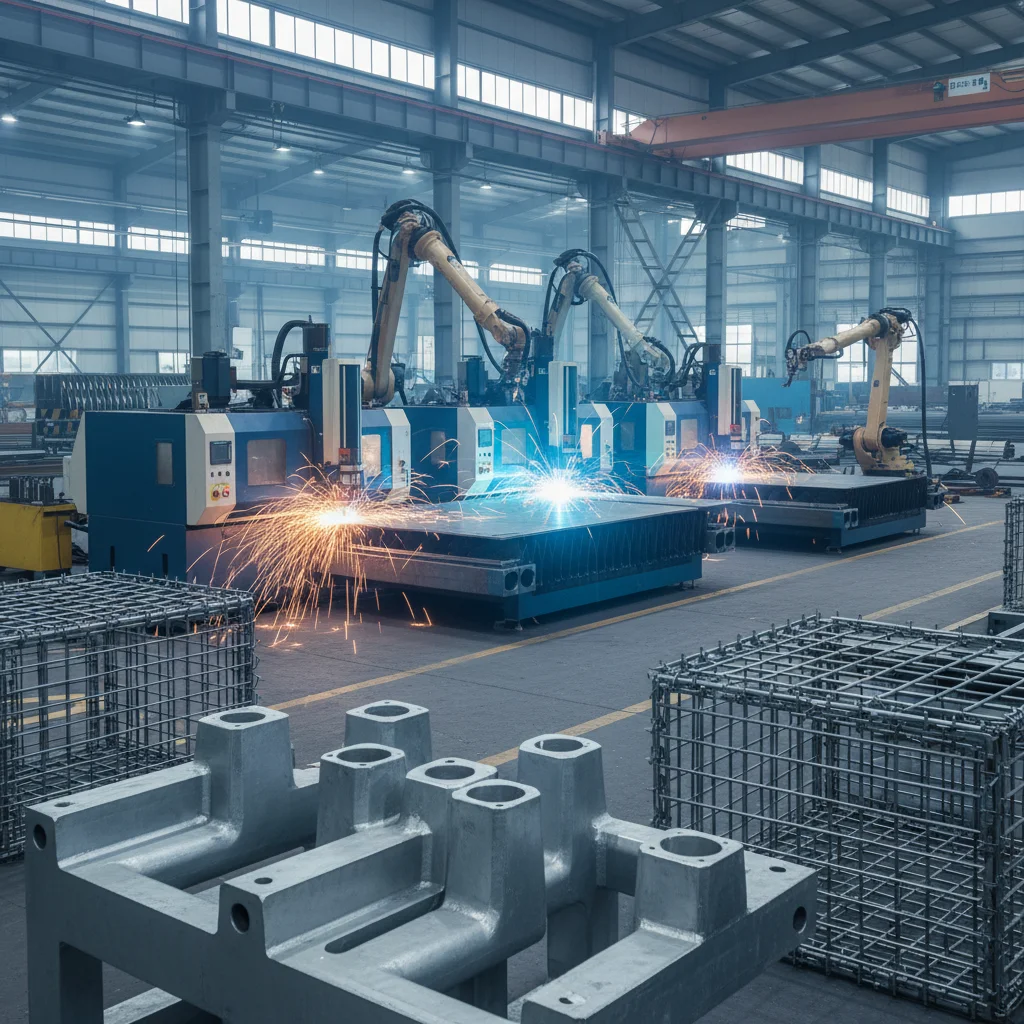
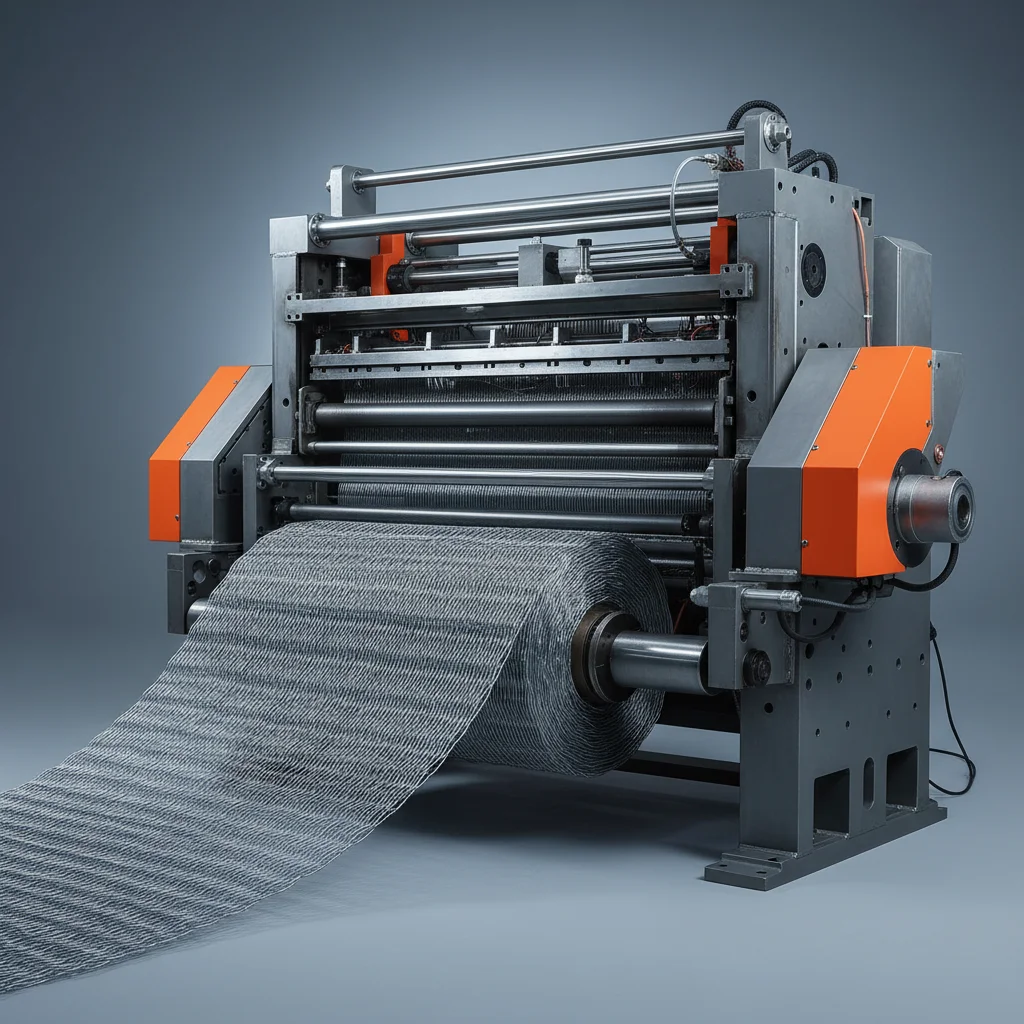
Pipeline reinforced mesh, on the other hand, offers a more advanced and engineered solution. Manufactured as a uniform grid of high-strength steel wires, reinforced mesh ensures consistent spacing and balanced load distribution across the entire structure. This significantly reduces the risk of localized stress points, which are a common cause of pipeline damage in traditional systems.
One of the key differences lies in structural performance. Reinforced mesh enhances tensile strength and provides multidirectional support, allowing the surrounding structure to better withstand dynamic forces such as ground movement, traffic loads, and thermal expansion. In contrast, traditional reinforcement methods may not provide the same level of uniform support, making them more susceptible to deformation and failure under complex conditions.
Durability is another area where reinforced mesh outperforms conventional approaches. With protective treatments such as galvanization or coating, reinforced mesh offers superior resistance to corrosion and environmental degradation. Traditional materials, especially when not properly treated, can deteriorate more quickly when exposed to moisture, chemicals, or fluctuating temperatures, leading to higher maintenance requirements.
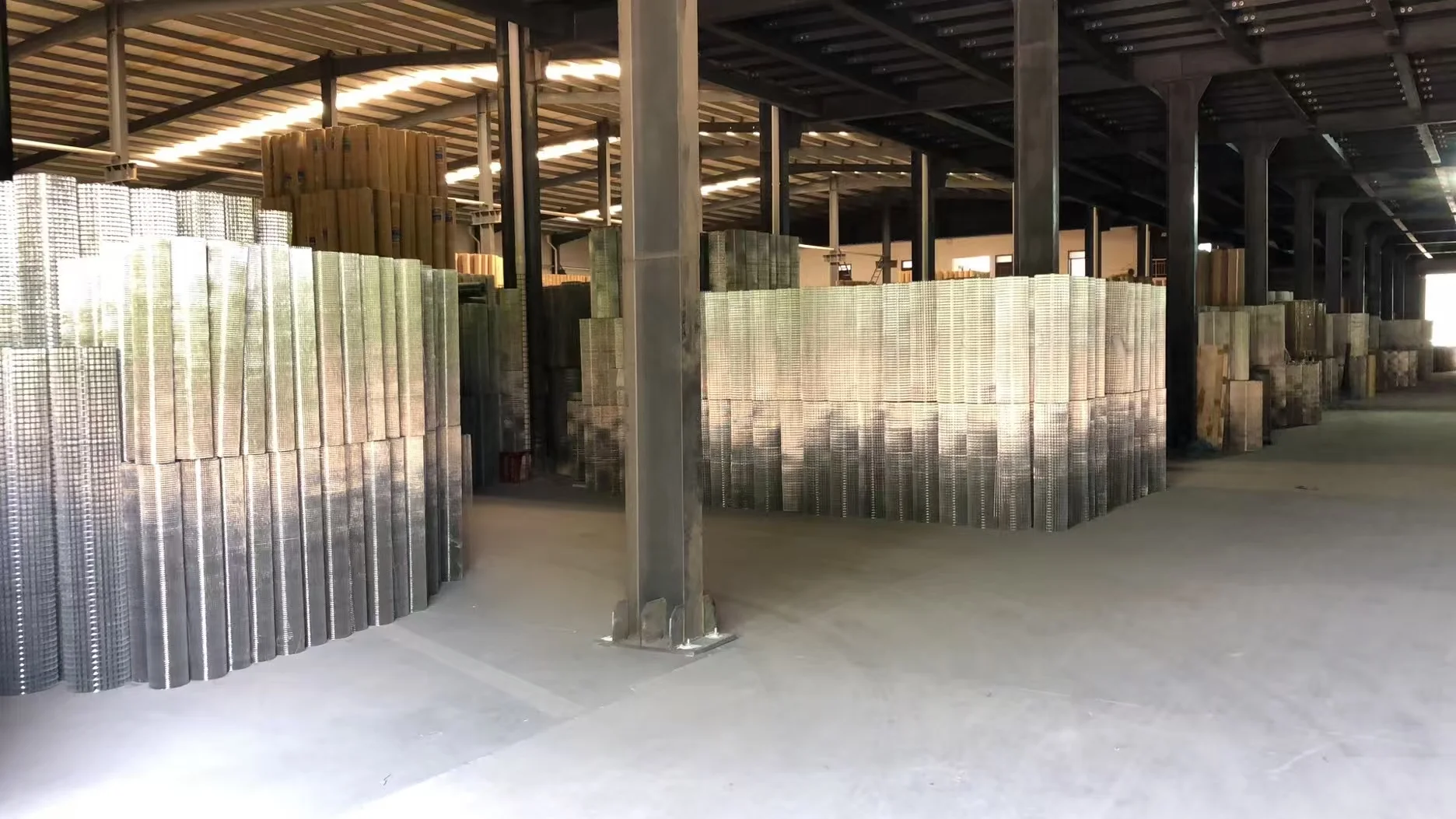
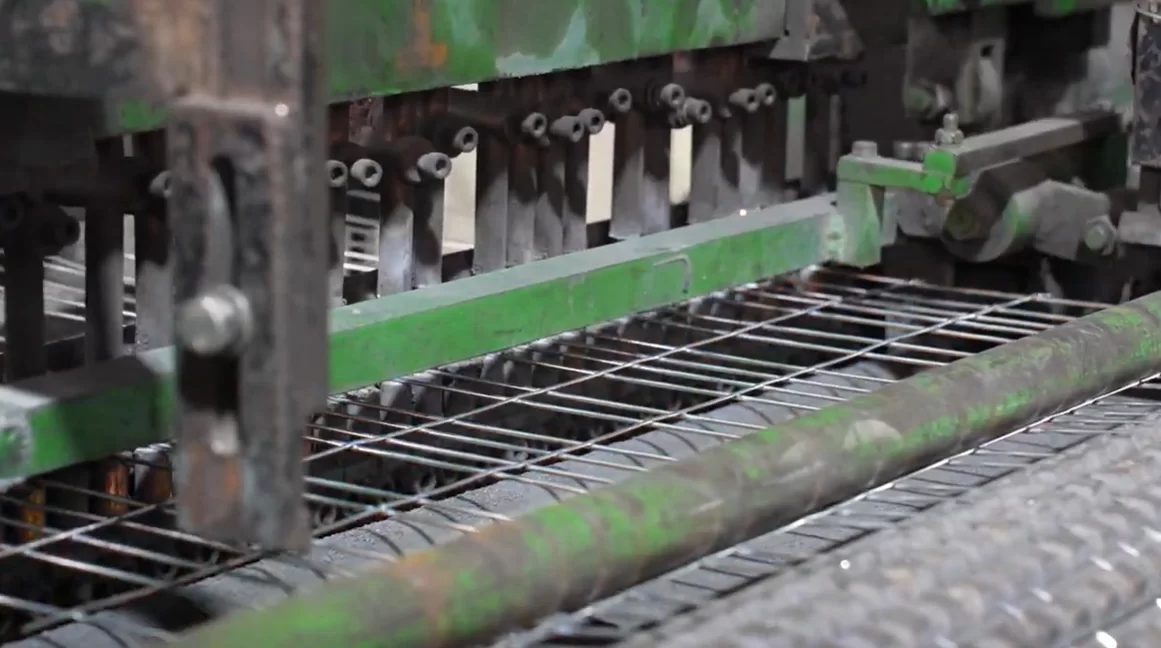
Installation efficiency also sets reinforced mesh apart. Its prefabricated design allows for faster and more accurate placement, reducing labor time and minimizing on-site errors. Traditional methods often require more manual work, including cutting, positioning, and tying reinforcement bars, which can increase project timelines and labor costs.
From a cost perspective, while traditional methods may appear more economical initially, they often result in higher long-term expenses due to maintenance, repairs, and potential system failures. Reinforced mesh, with its durability and reliability, offers better lifecycle value by reducing these risks and ensuring consistent performance over time.
In conclusion, pipeline reinforced mesh clearly demonstrates superior performance compared to traditional reinforcement methods. Its advantages in strength, durability, installation efficiency, and long-term cost savings make it a preferred choice for modern infrastructure projects. This video provides a comprehensive comparison to help you make informed decisions for your next pipeline protection project.