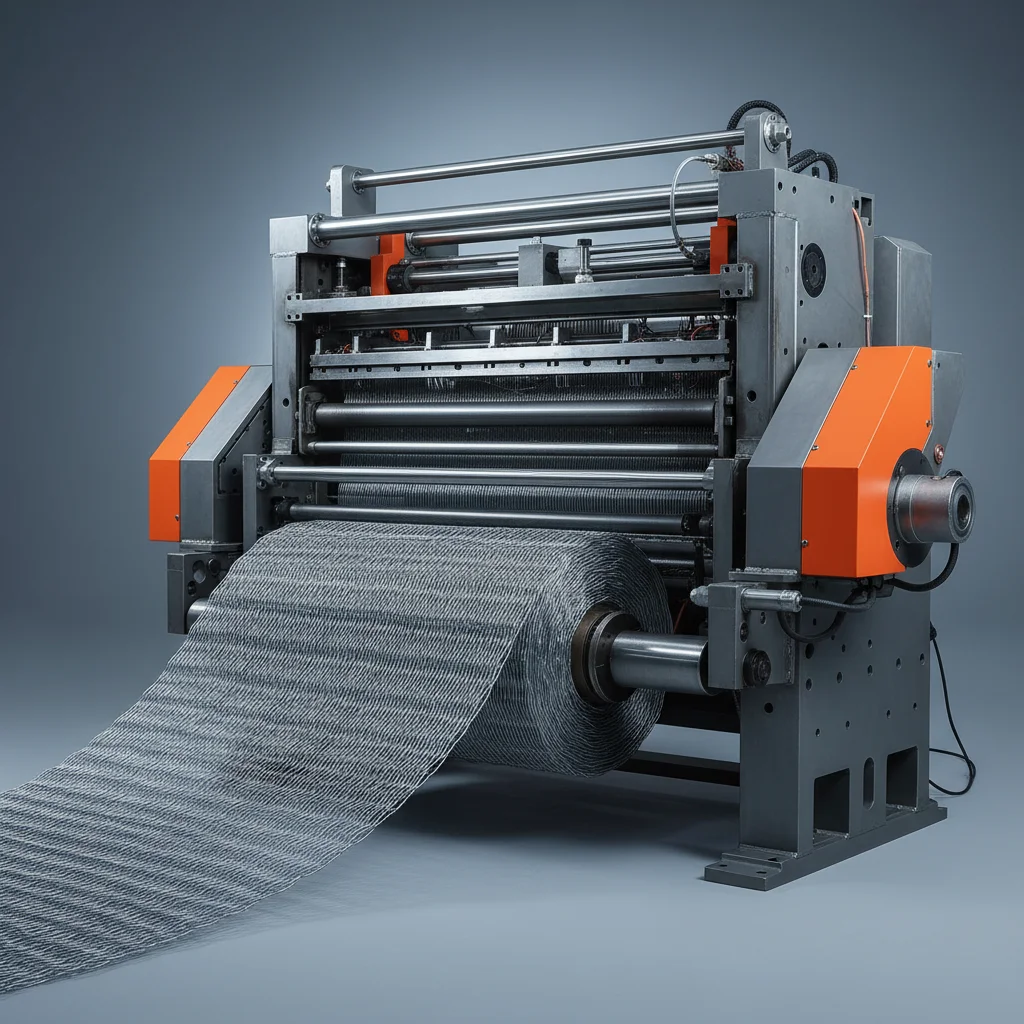

Top Advantages Of Using Reinforced Mesh In Pipeline Protection Projects
Reinforced mesh has become an essential component in modern pipeline protection projects, offering a wide range of advantages that significantly enhance the safety, durability, and efficiency of infrastructure systems. In this video, we explore the top benefits of using reinforced mesh and why it is increasingly preferred by engineers and contractors in pipeline construction and maintenance.
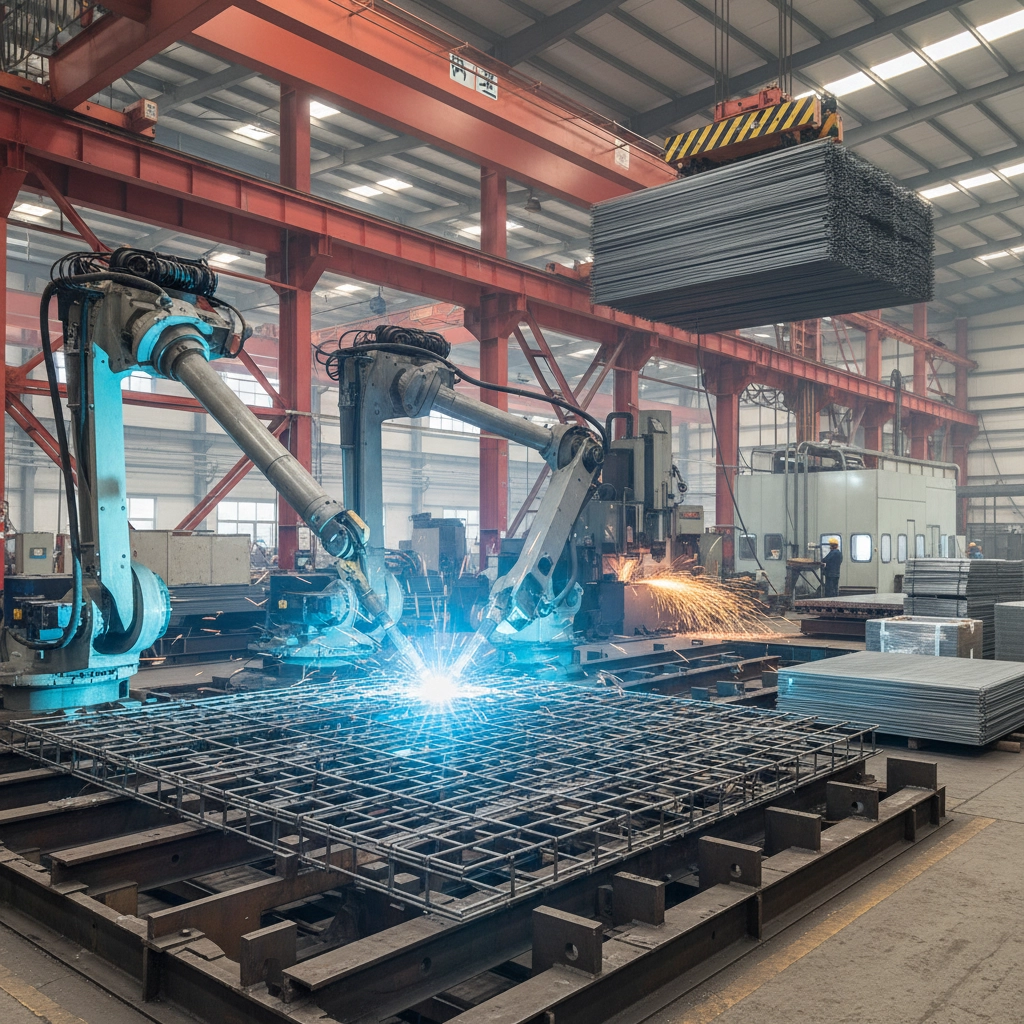
One of the most important advantages of reinforced mesh is its ability to improve structural strength. Pipelines are often exposed to various external forces, including soil pressure, traffic loads, and environmental changes. Reinforced mesh provides a stable framework that distributes these forces evenly, reducing stress concentrations and minimizing the risk of deformation or failure. This added strength is particularly valuable in large-scale or high-pressure pipeline systems.
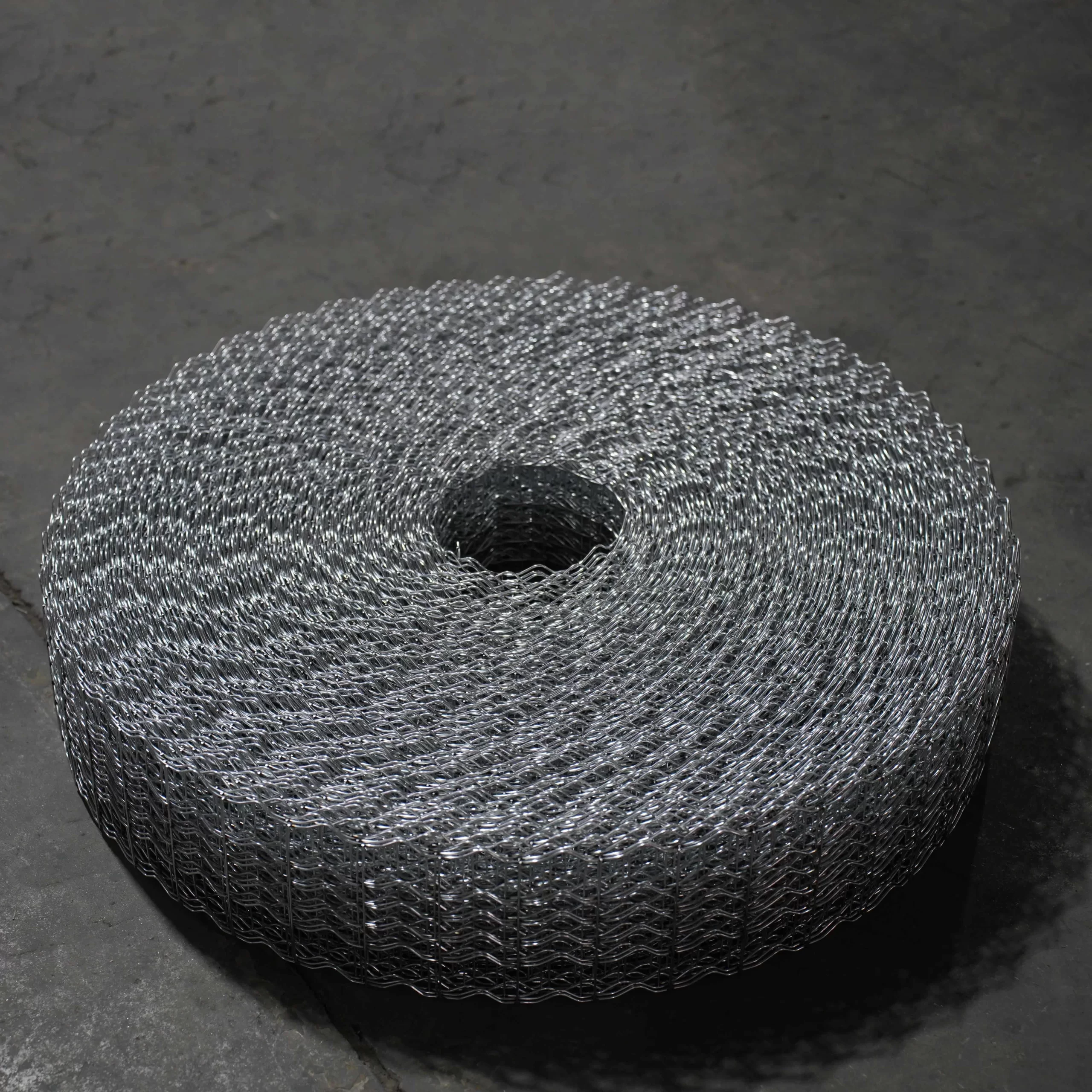
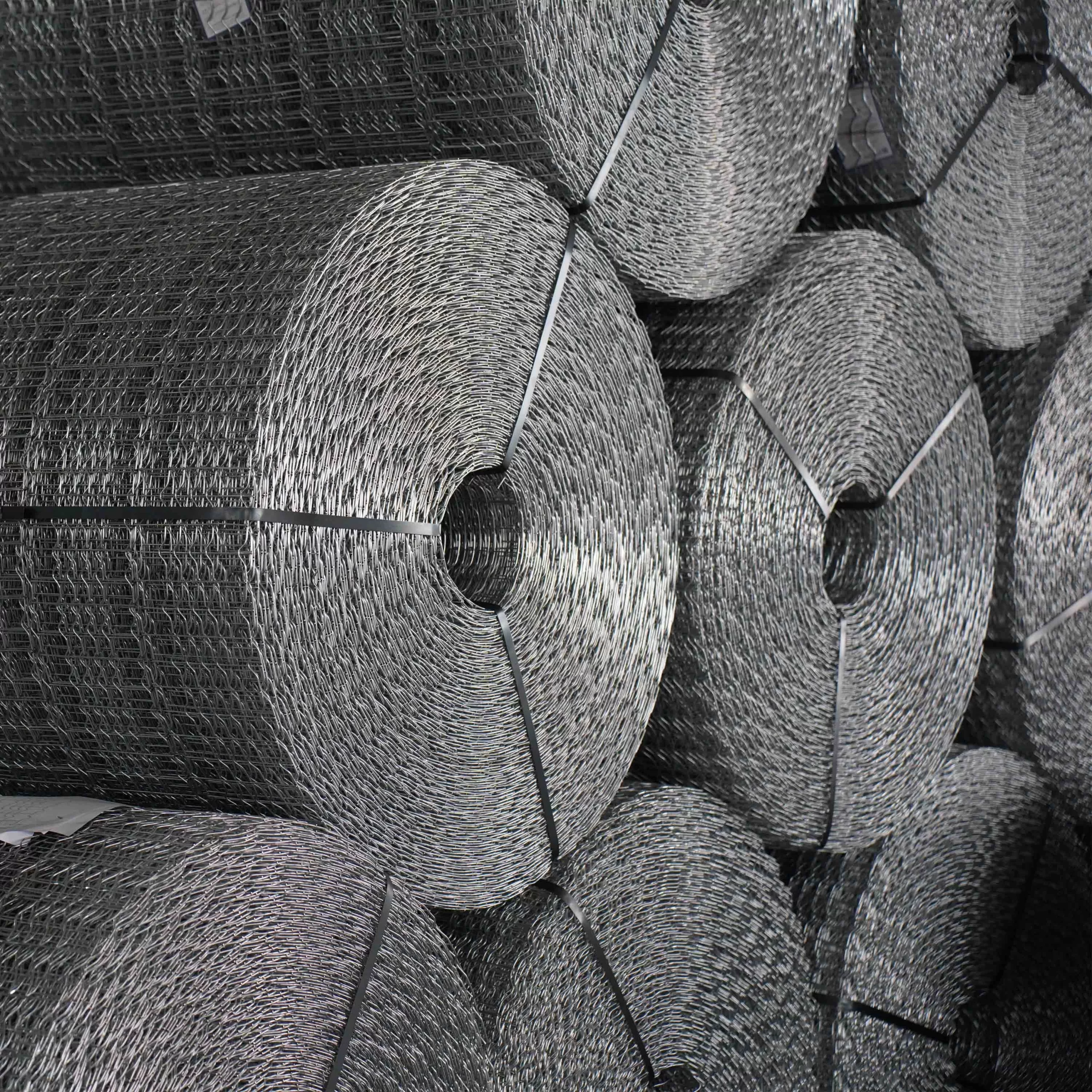
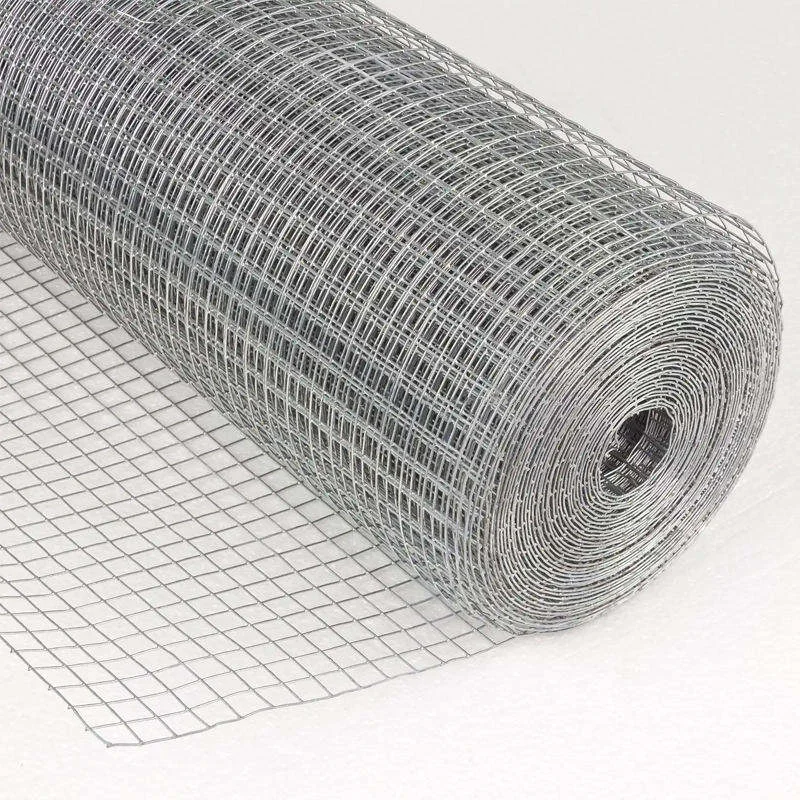
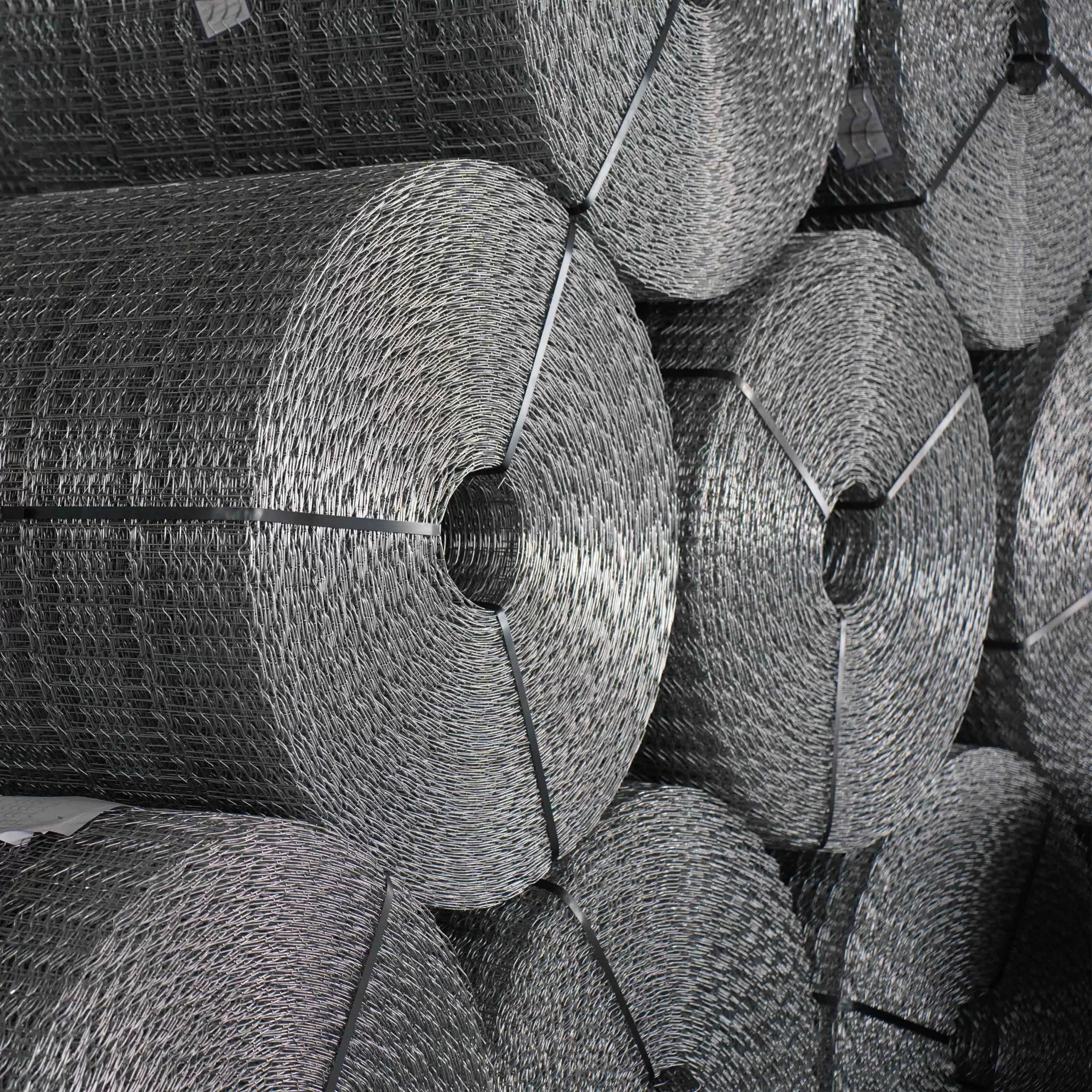
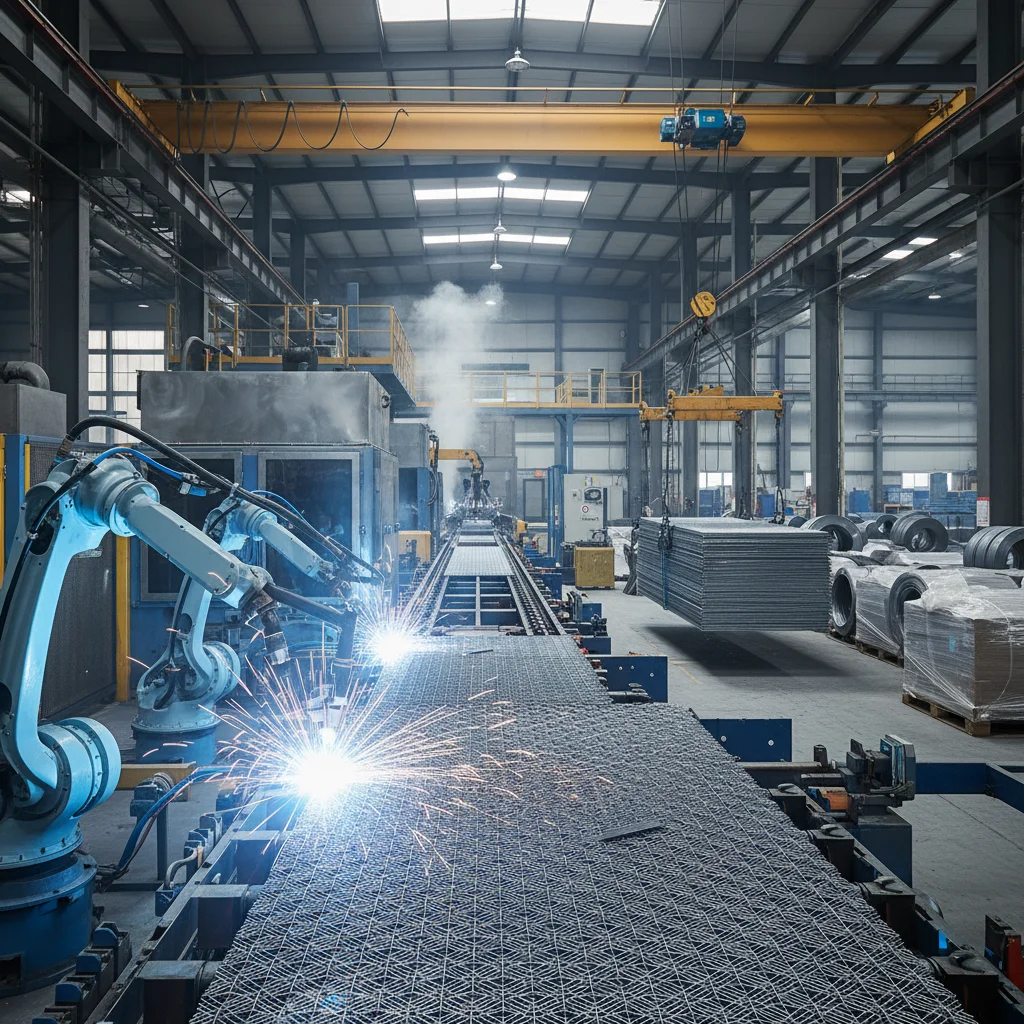
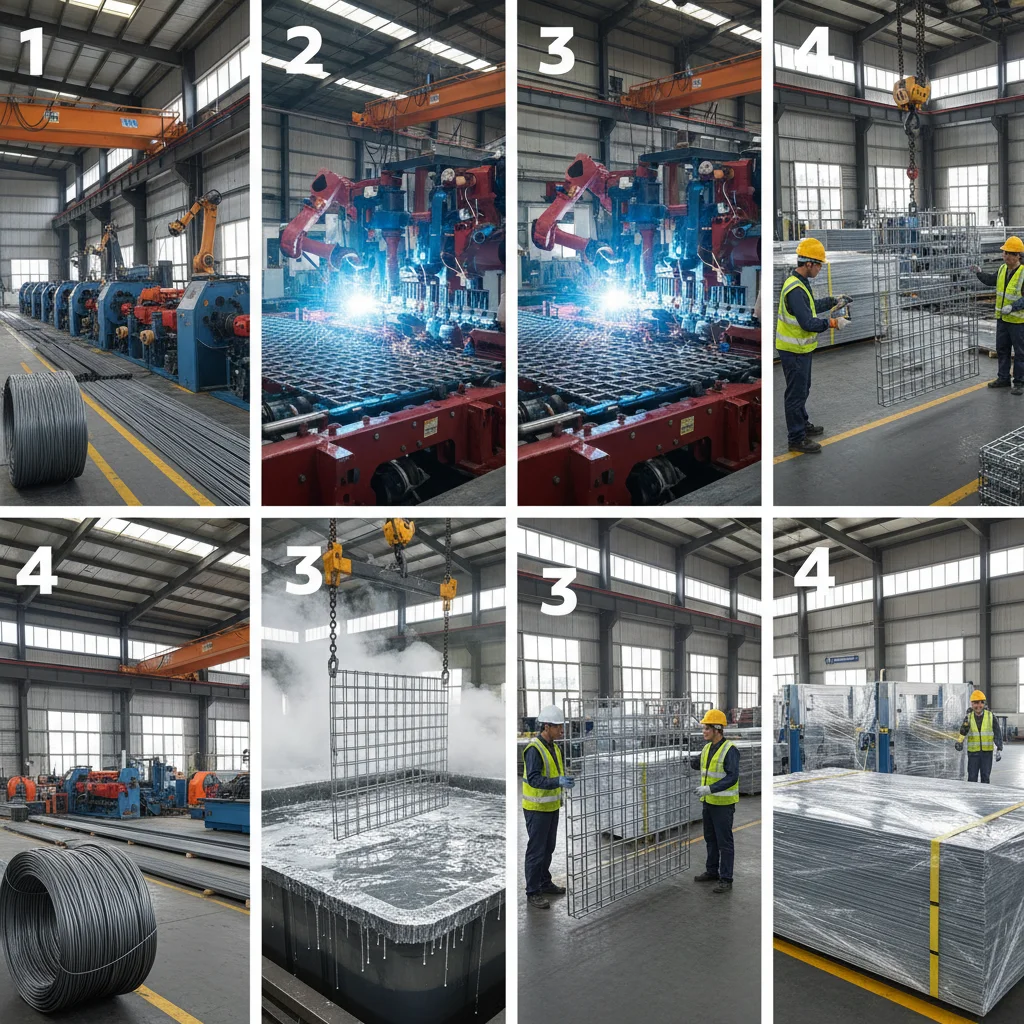
Another key benefit is enhanced durability. Reinforced mesh is typically manufactured from high-quality steel and treated with protective coatings such as galvanization, making it highly resistant to corrosion, moisture, and chemical exposure. This ensures that the mesh maintains its integrity even in harsh underground or coastal environments, ultimately extending the lifespan of the entire pipeline system.
Crack prevention and control is another significant advantage, especially in concrete-encased pipelines. The mesh improves tensile strength within the concrete, reducing the likelihood of cracks forming and spreading over time. This helps maintain the structural integrity of both the pipeline and its surrounding support system, ensuring consistent performance under varying load conditions.
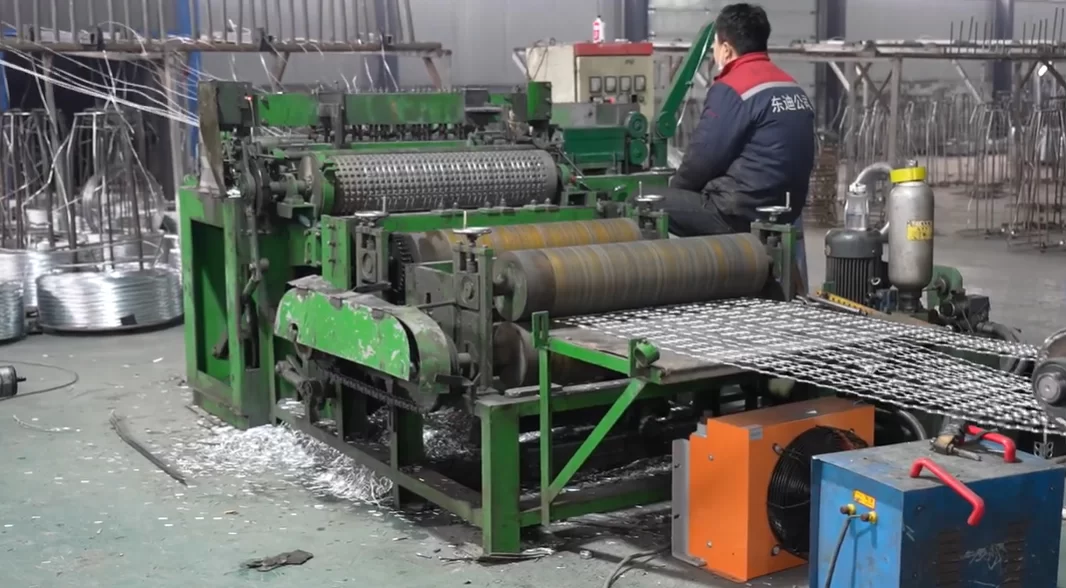
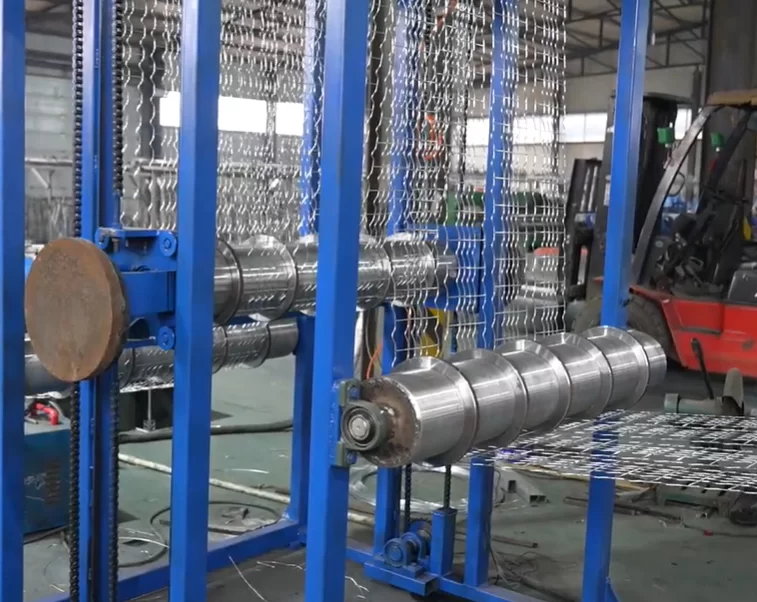
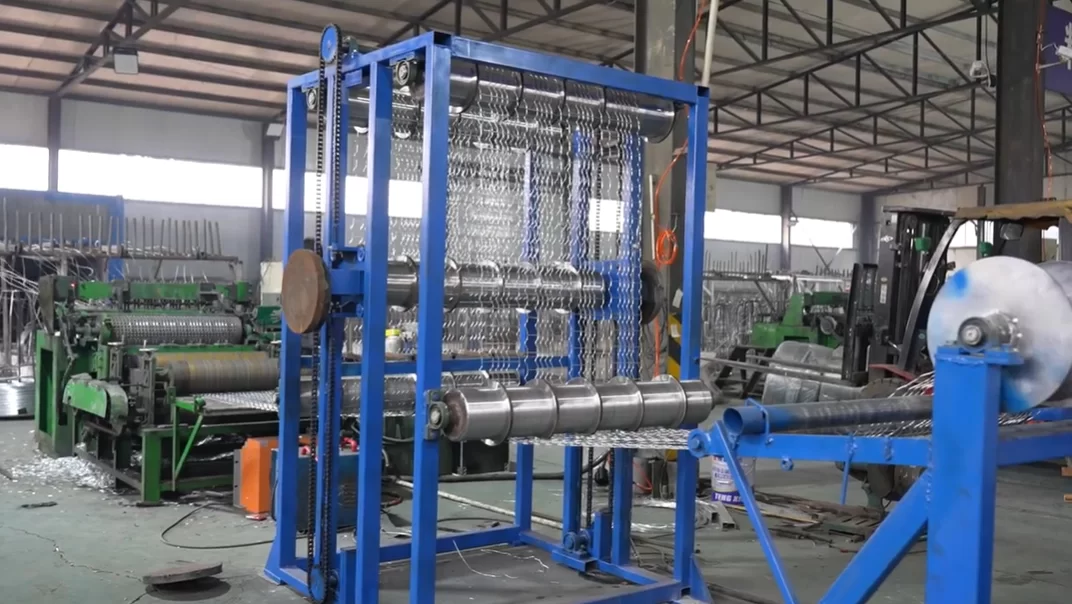
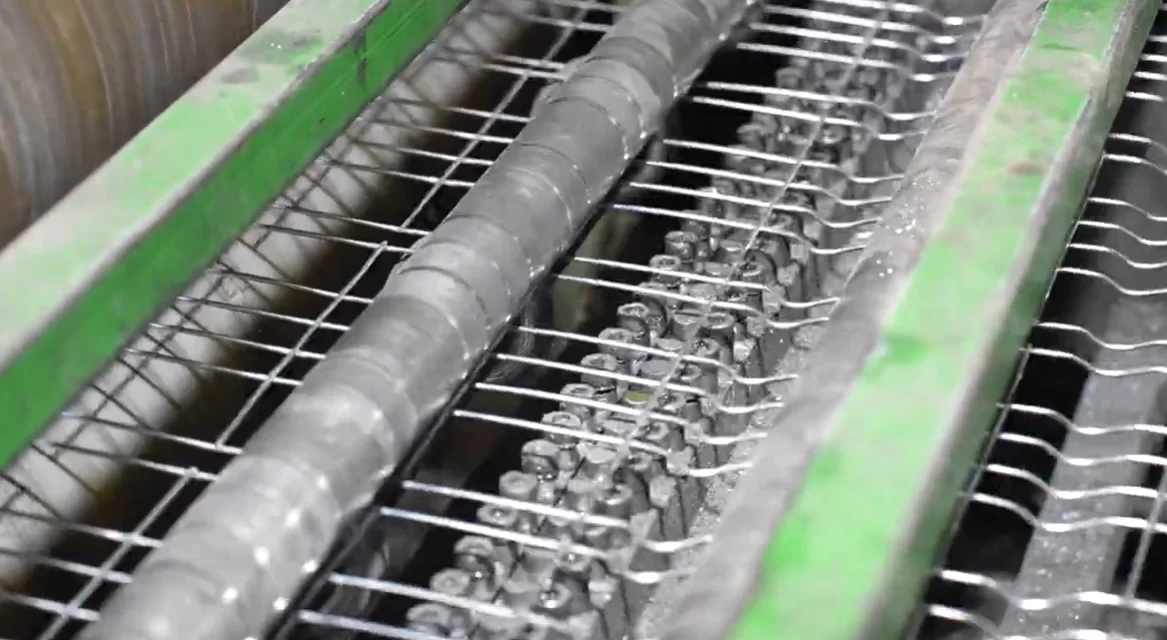
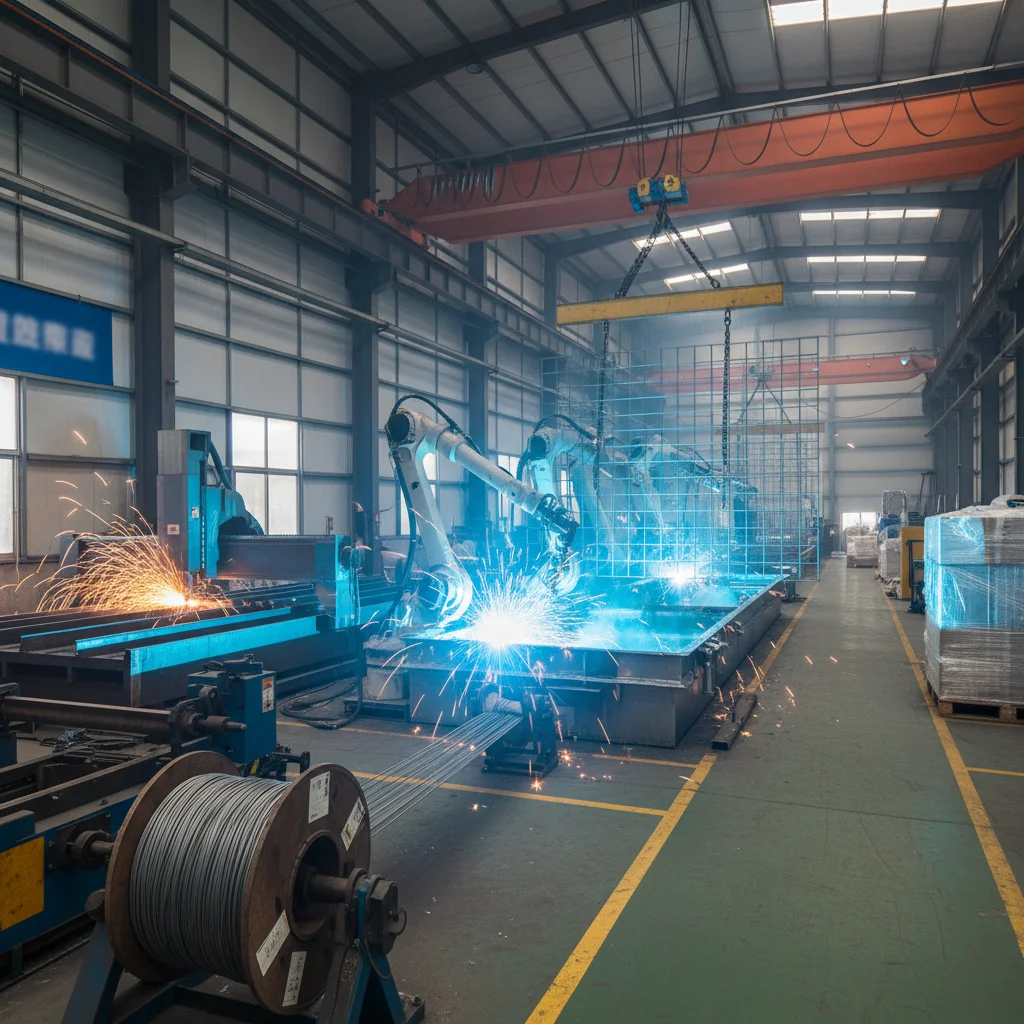
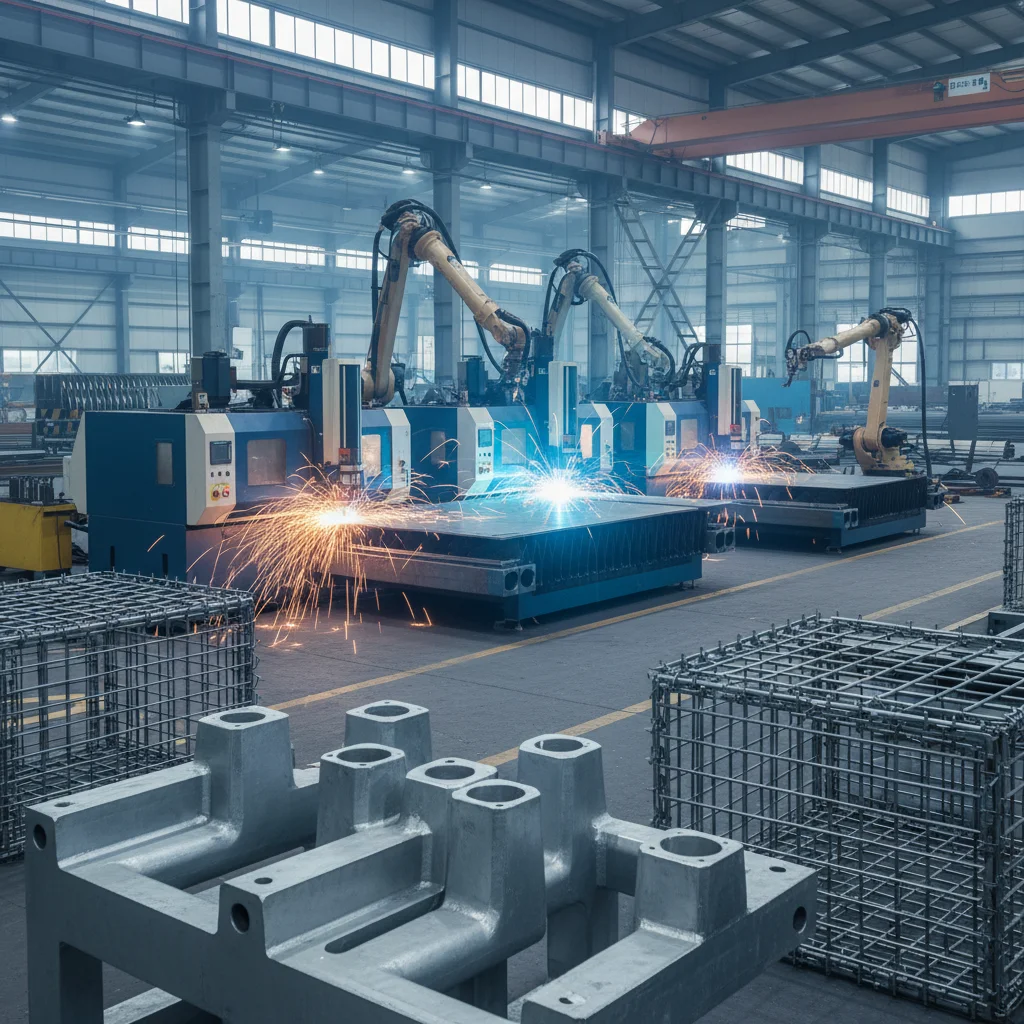
Reinforced mesh also contributes to improved installation efficiency. Its standardized grid design allows for quick placement and easy handling on-site, reducing labor time and construction complexity. Additionally, its adaptability means it can be customized to fit different pipeline sizes, shapes, and project requirements, making it a versatile solution for diverse applications.
Cost-effectiveness is another important factor. While the initial investment in reinforced mesh may vary depending on specifications, it offers long-term savings by reducing maintenance needs, minimizing repair costs, and preventing costly system failures. Its durability and reliability ensure that infrastructure projects remain operational with minimal interruptions.
Furthermore, reinforced mesh enhances safety in pipeline protection projects. By providing additional support and reducing the risk of structural failure, it helps protect both workers during construction and communities that rely on the pipeline system. This is especially critical in industries such as oil and gas, water supply, and chemical transport.
In summary, reinforced mesh delivers a combination of strength, durability, efficiency, and safety that makes it an indispensable solution for pipeline protection. This video highlights its key advantages and demonstrates how it supports long-lasting, high-performance infrastructure systems in a wide range of applications.