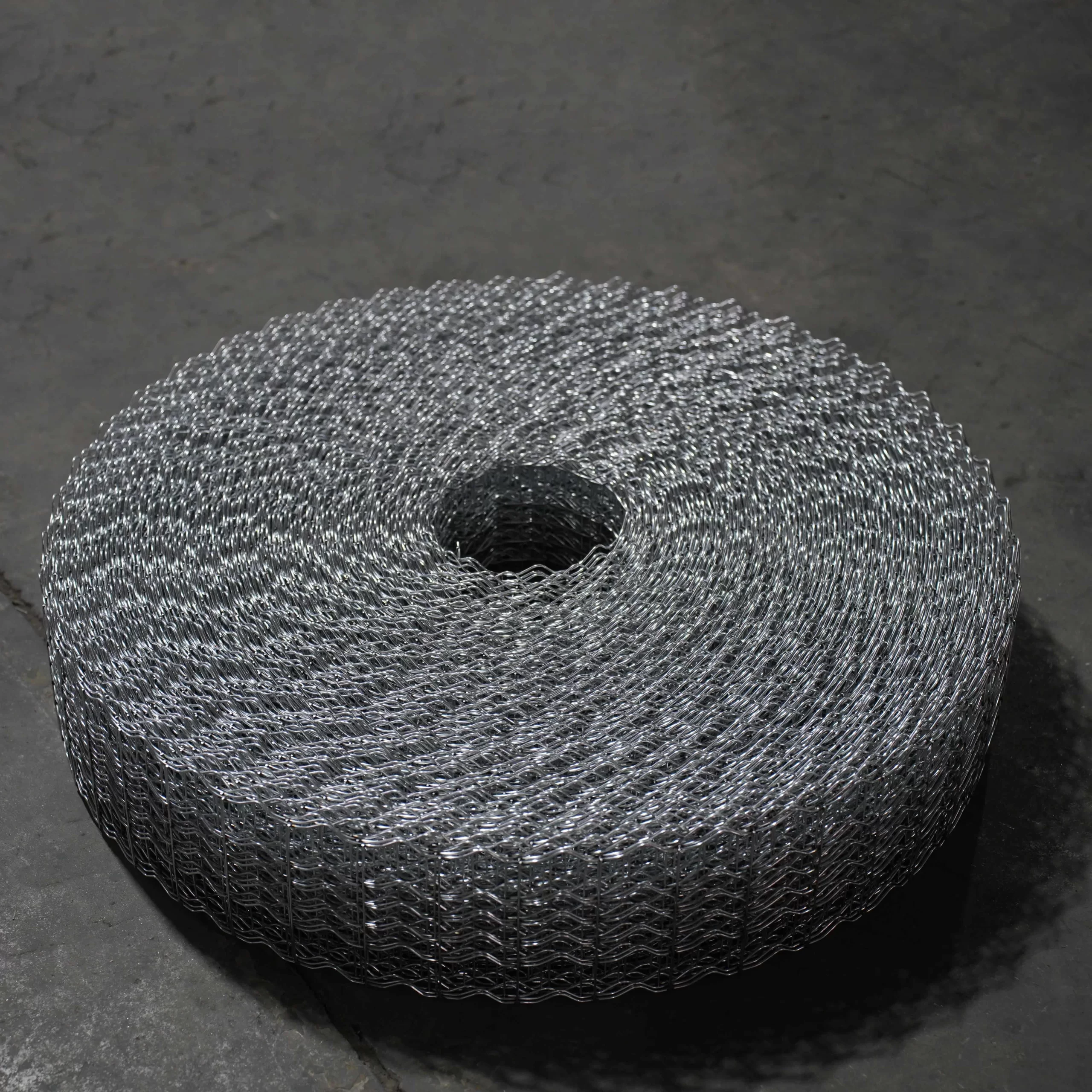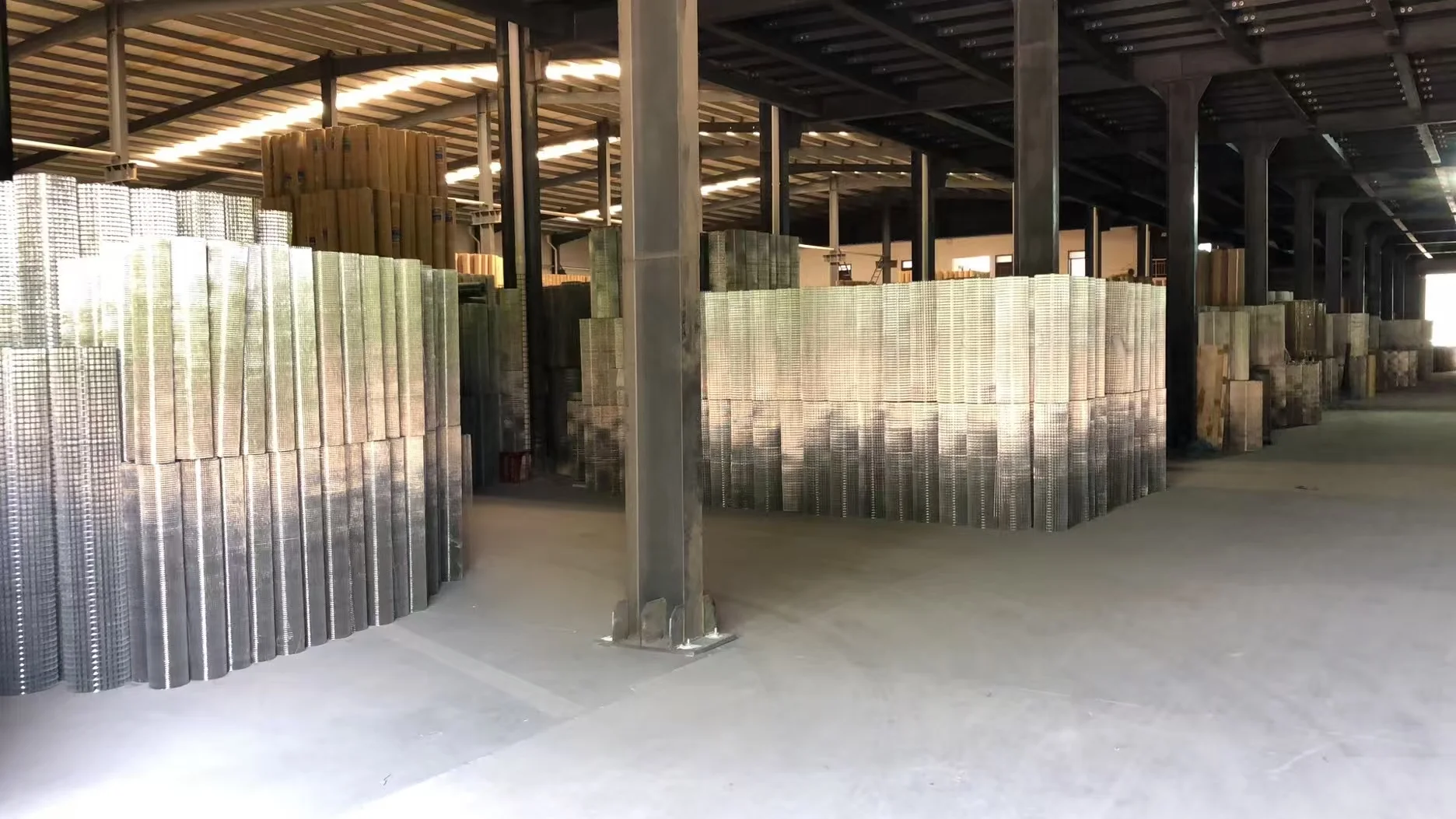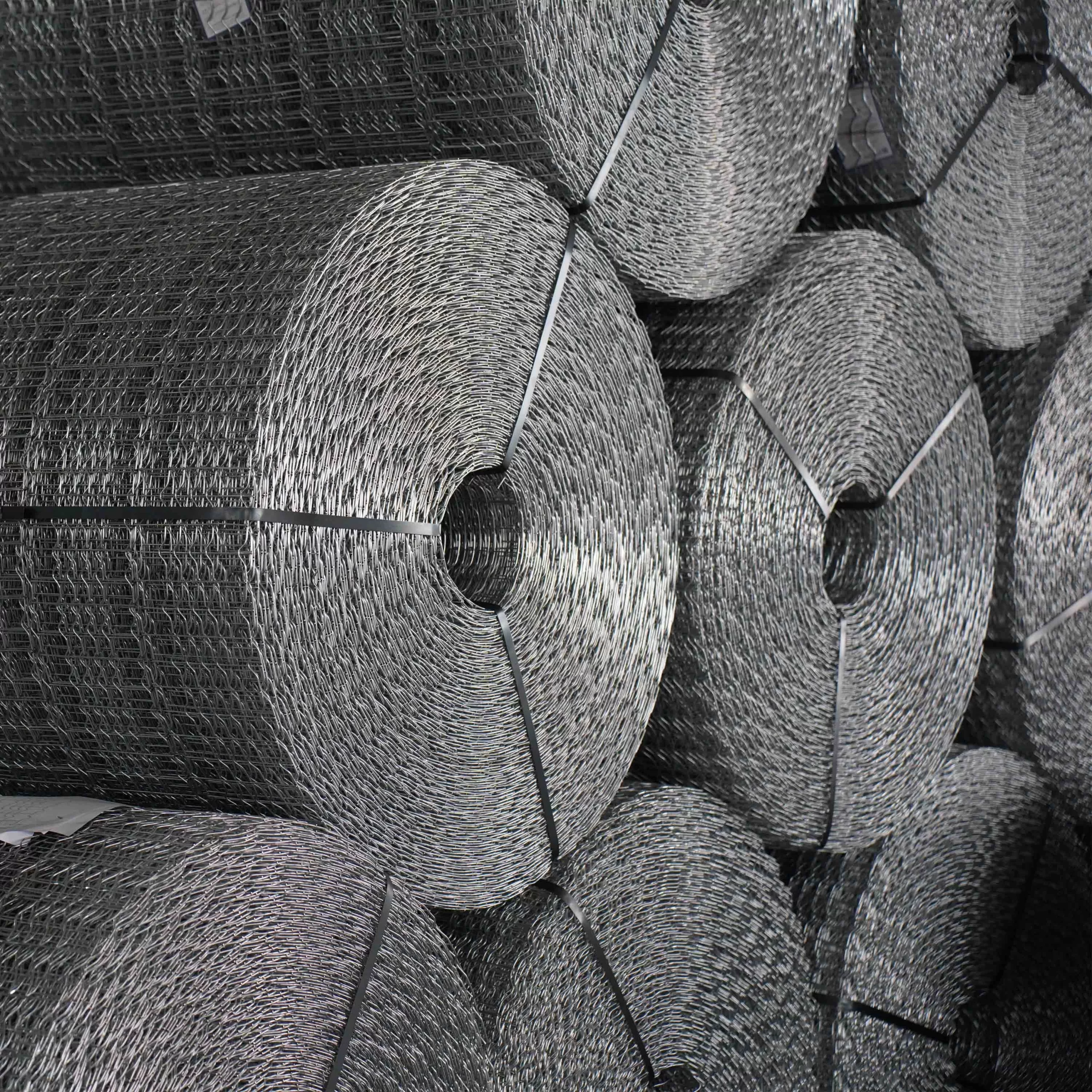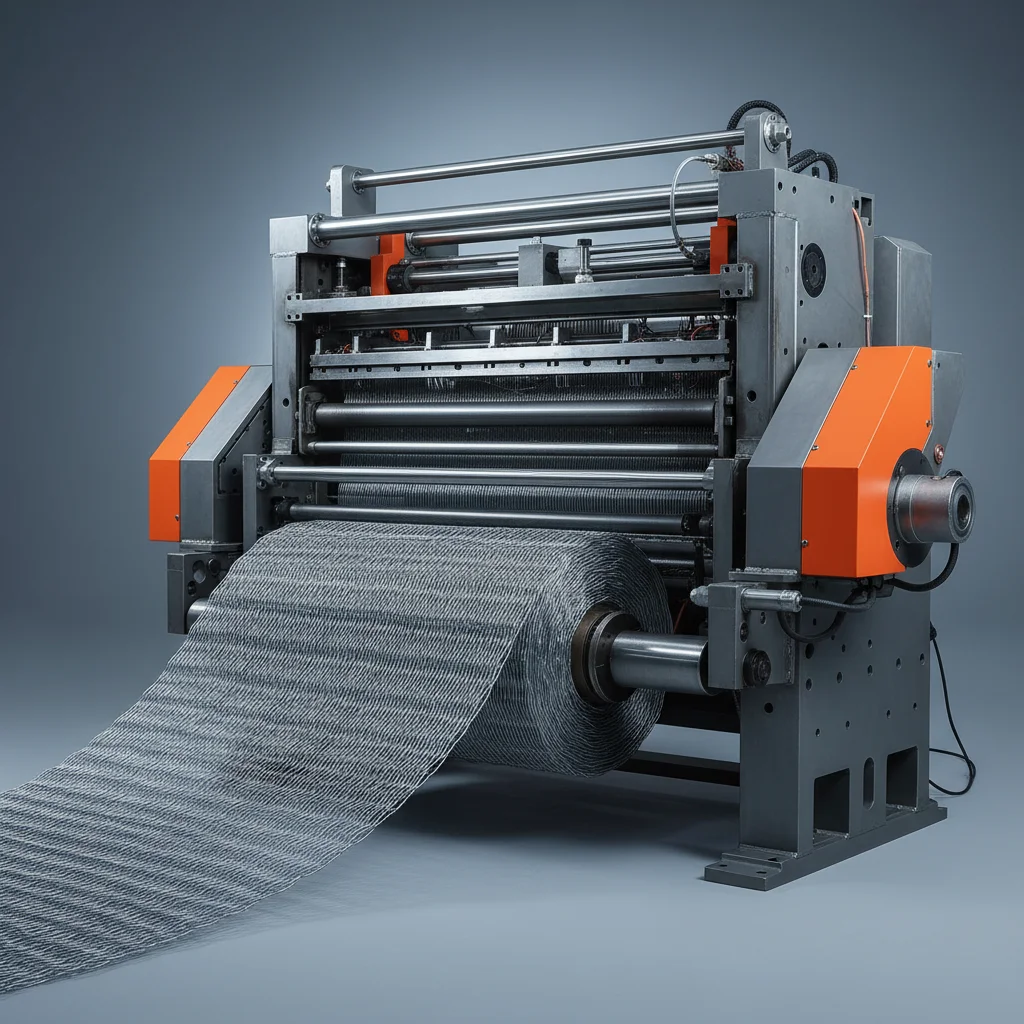

Manufacturing Process Of High-Quality Pipeline Reinforced Mesh
The production of high-quality pipeline reinforced mesh involves a carefully controlled manufacturing process designed to ensure strength, durability, and consistent performance in demanding infrastructure applications. In this video, we take you behind the scenes to explore each stage of the manufacturing process, from raw material selection to final quality inspection.
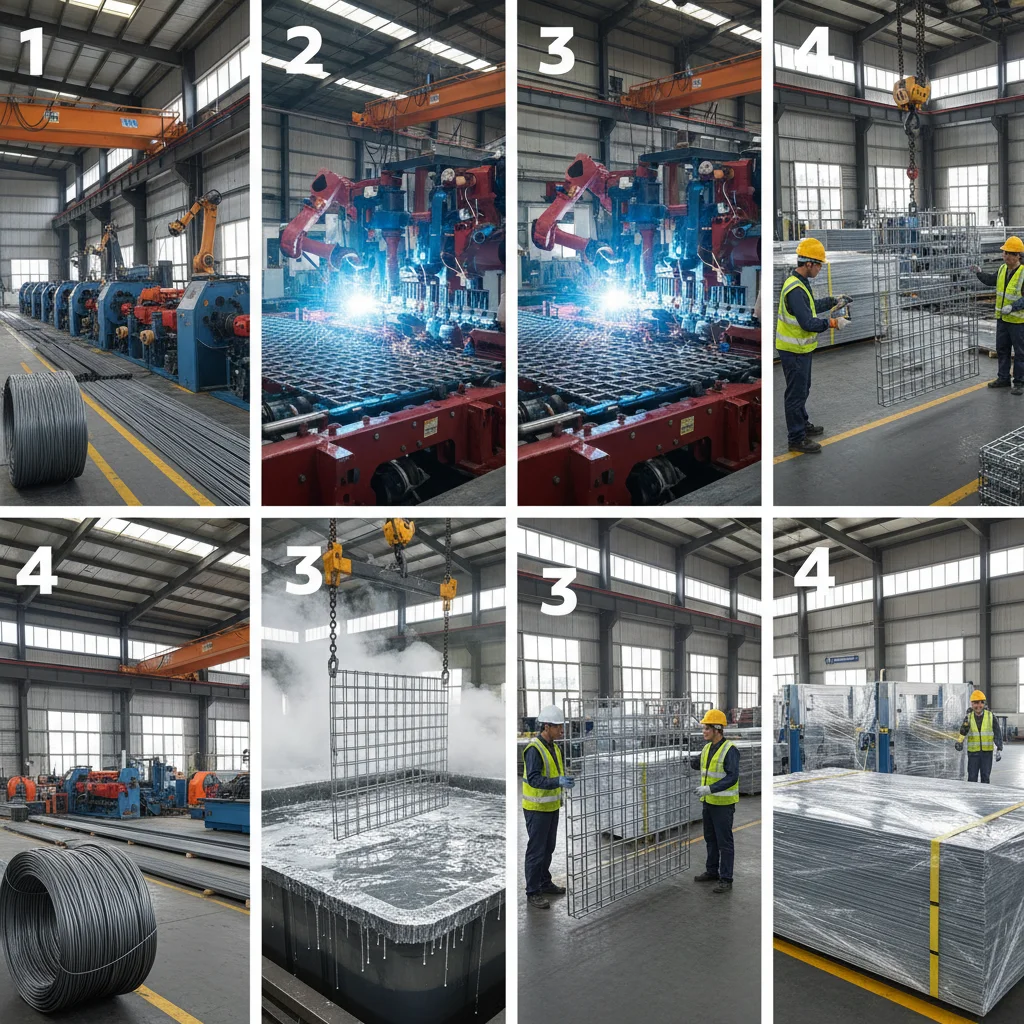
The process begins with the selection of premium-grade steel wire rods. The quality of the raw material is critical, as it directly affects the tensile strength and reliability of the finished mesh. These steel rods are typically made from low-carbon or high-strength steel, chosen based on the specific requirements of the application. Before further processing, the materials undergo rigorous testing to ensure they meet industry standards for composition and mechanical properties.
Next comes the wire drawing process. The steel rods are drawn through a series of dies to reduce their diameter and achieve the desired thickness. This step not only ensures dimensional accuracy but also enhances the strength and flexibility of the wires. Consistency in wire diameter is essential for producing a uniform mesh structure.
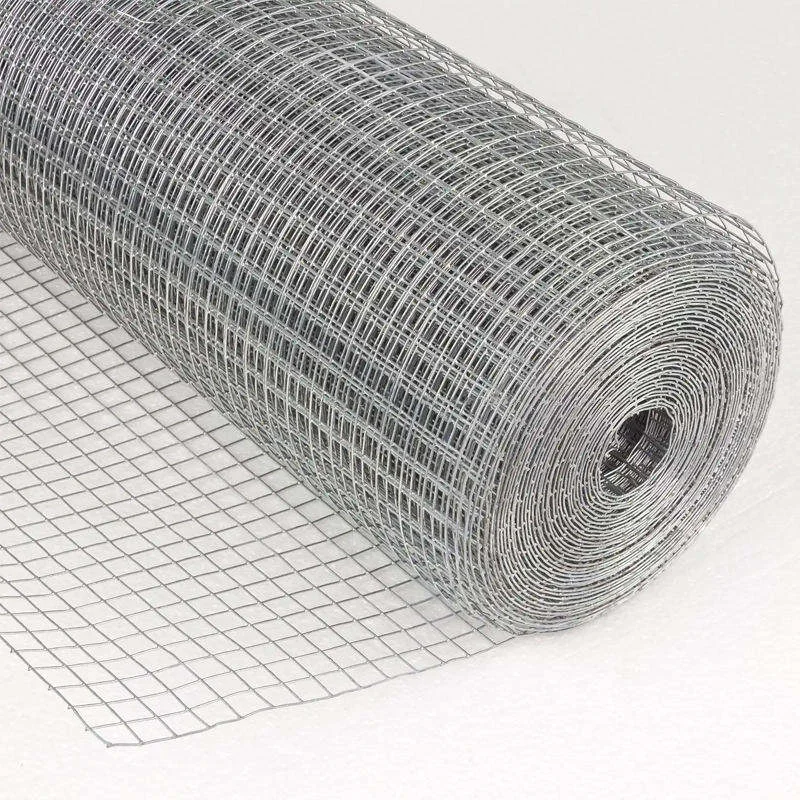
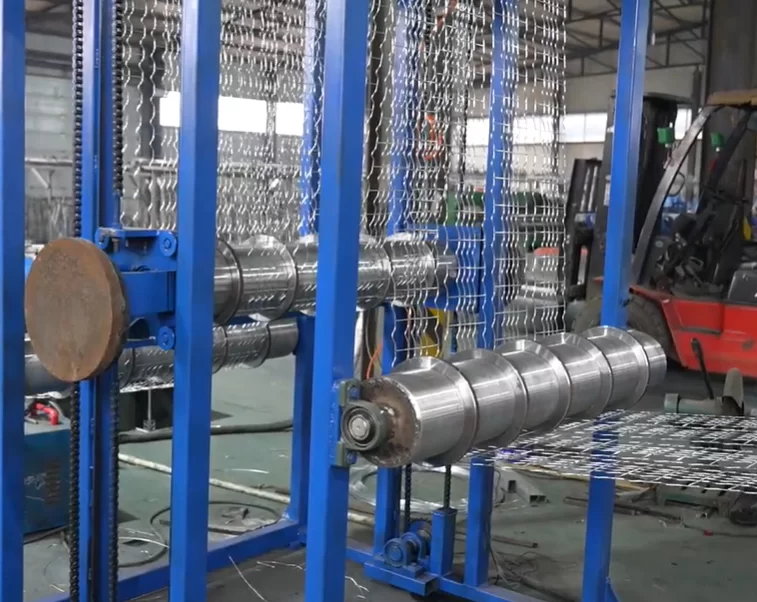
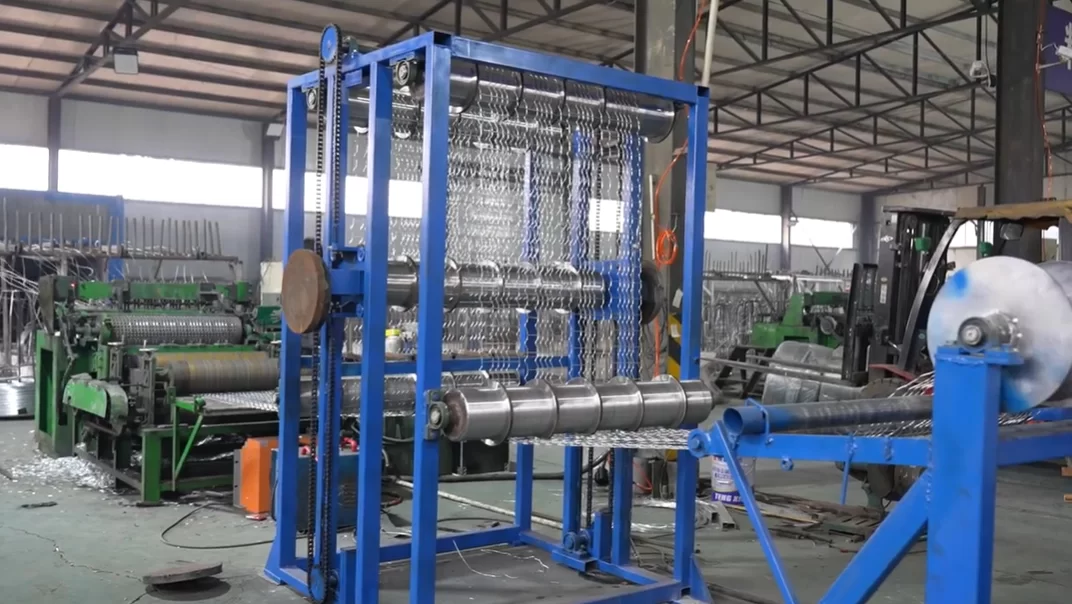
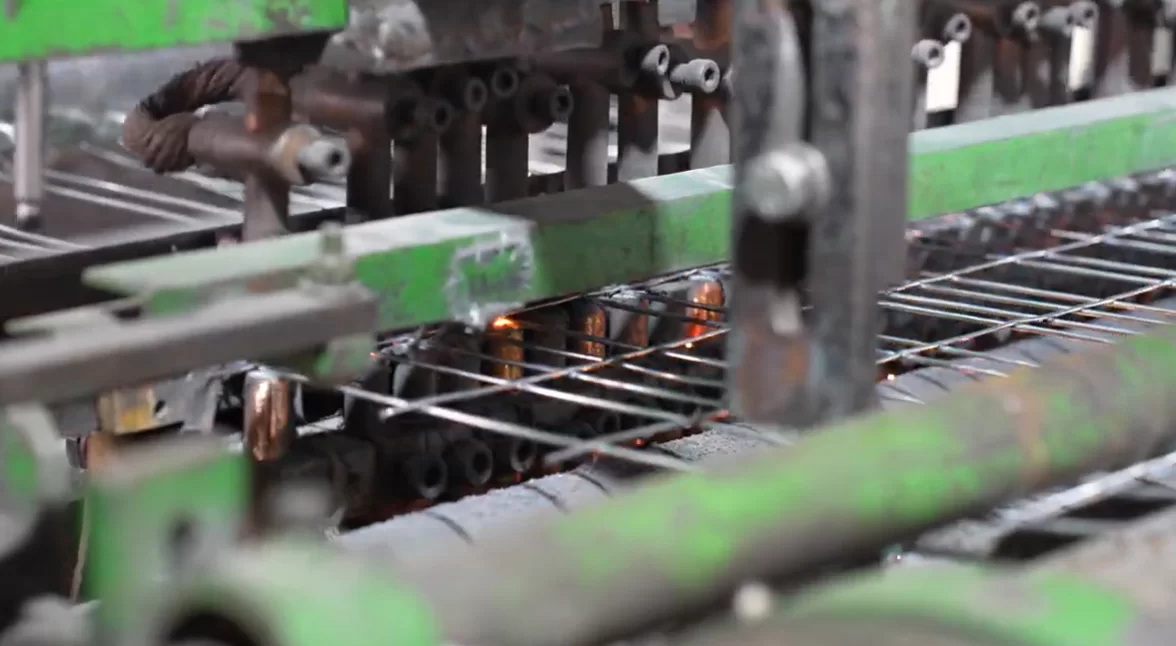
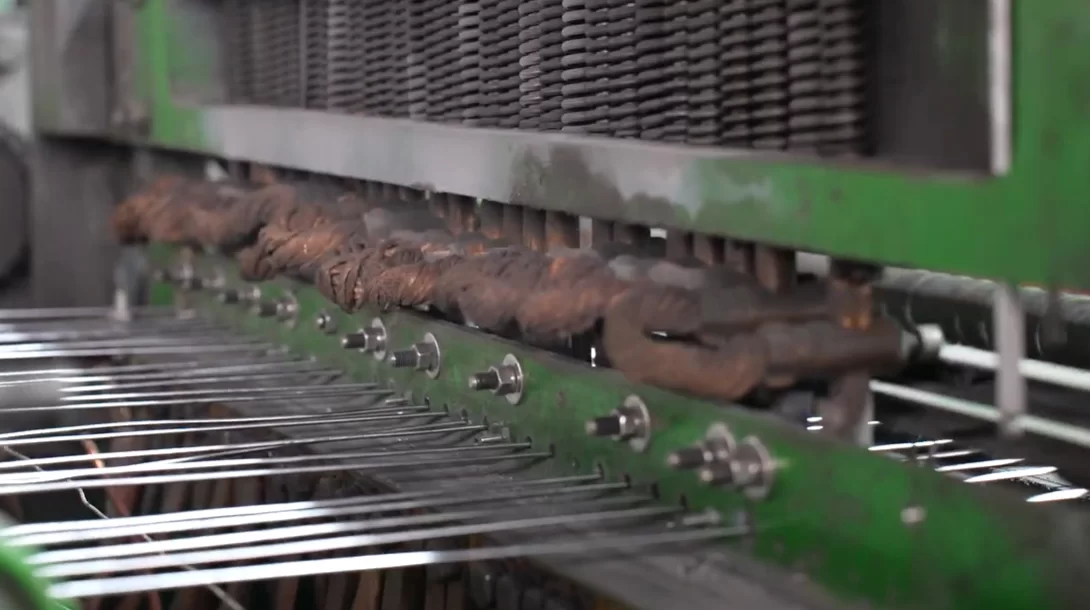
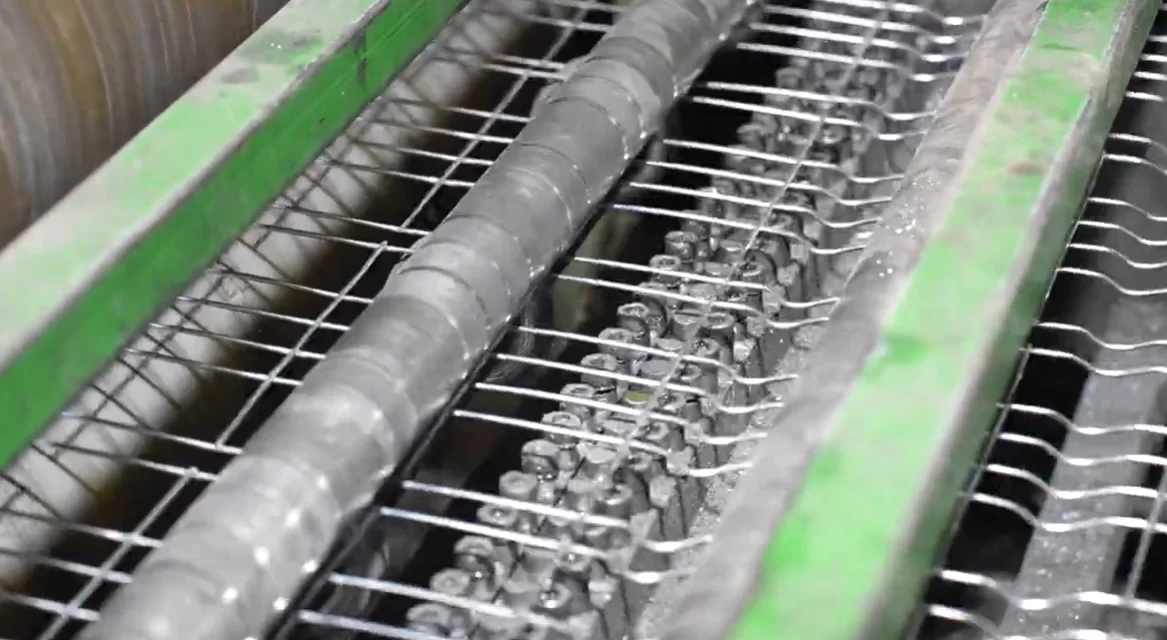
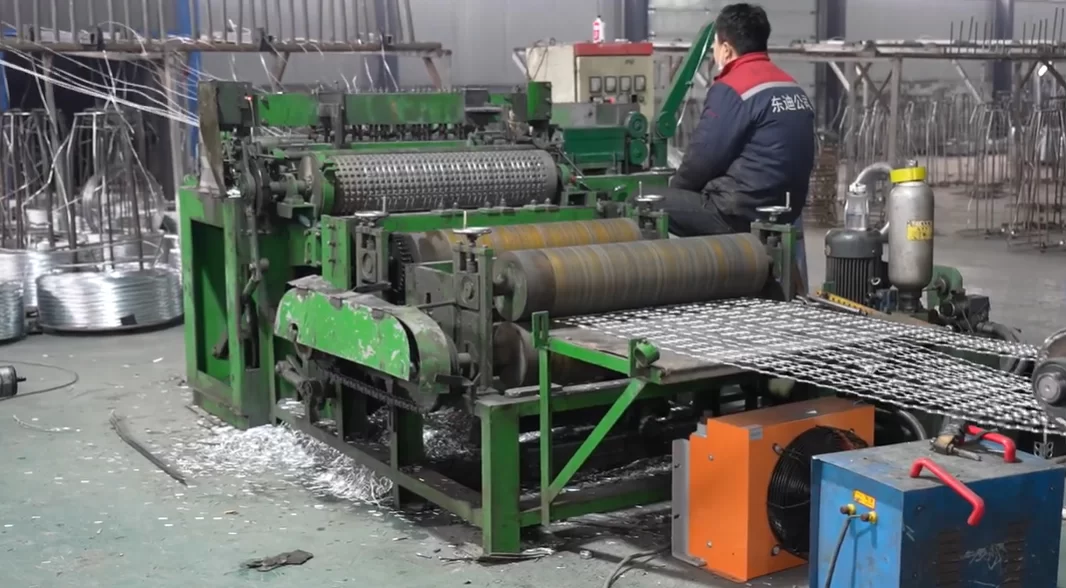
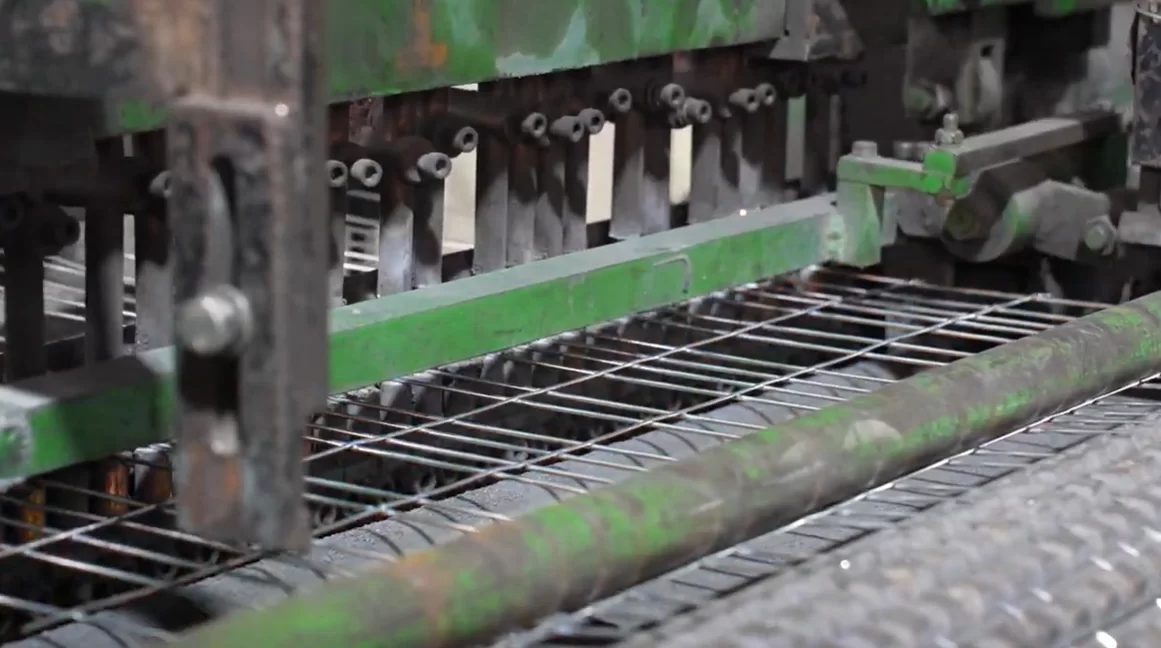
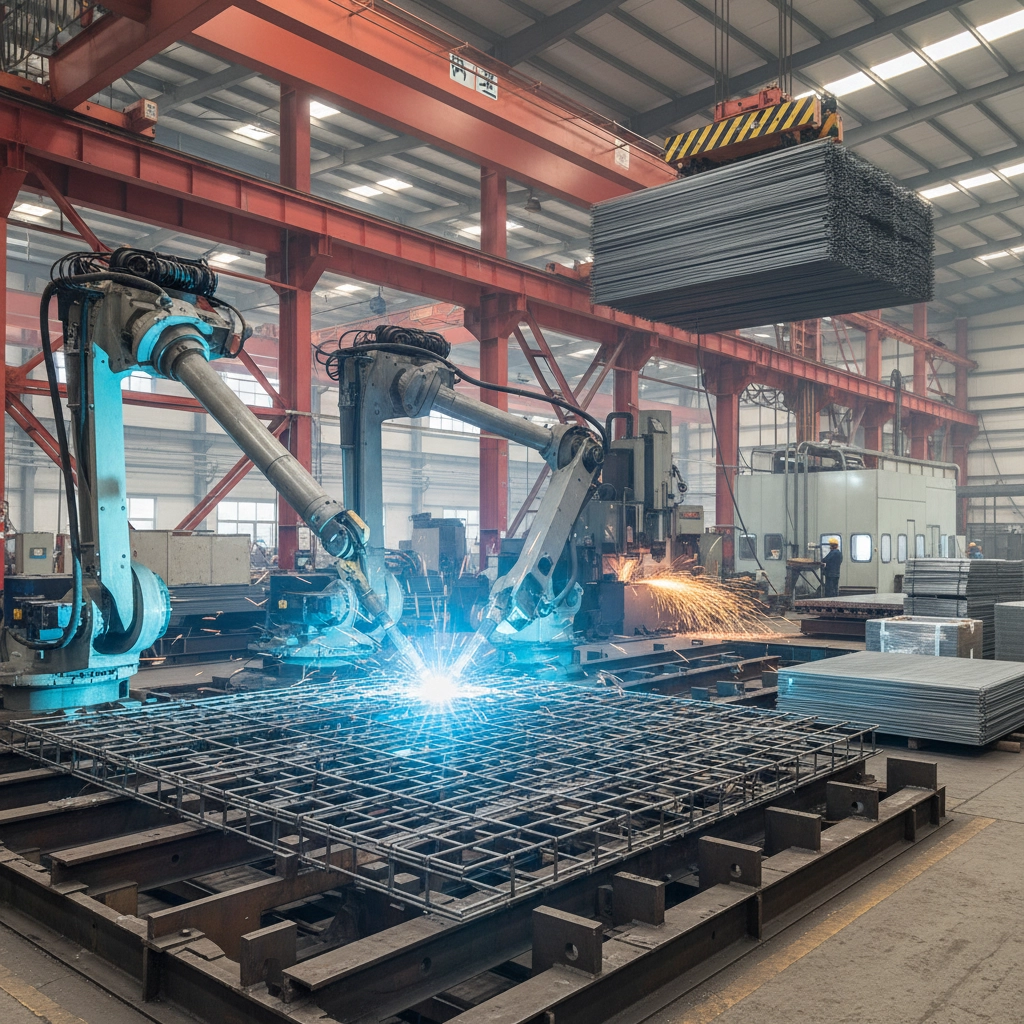
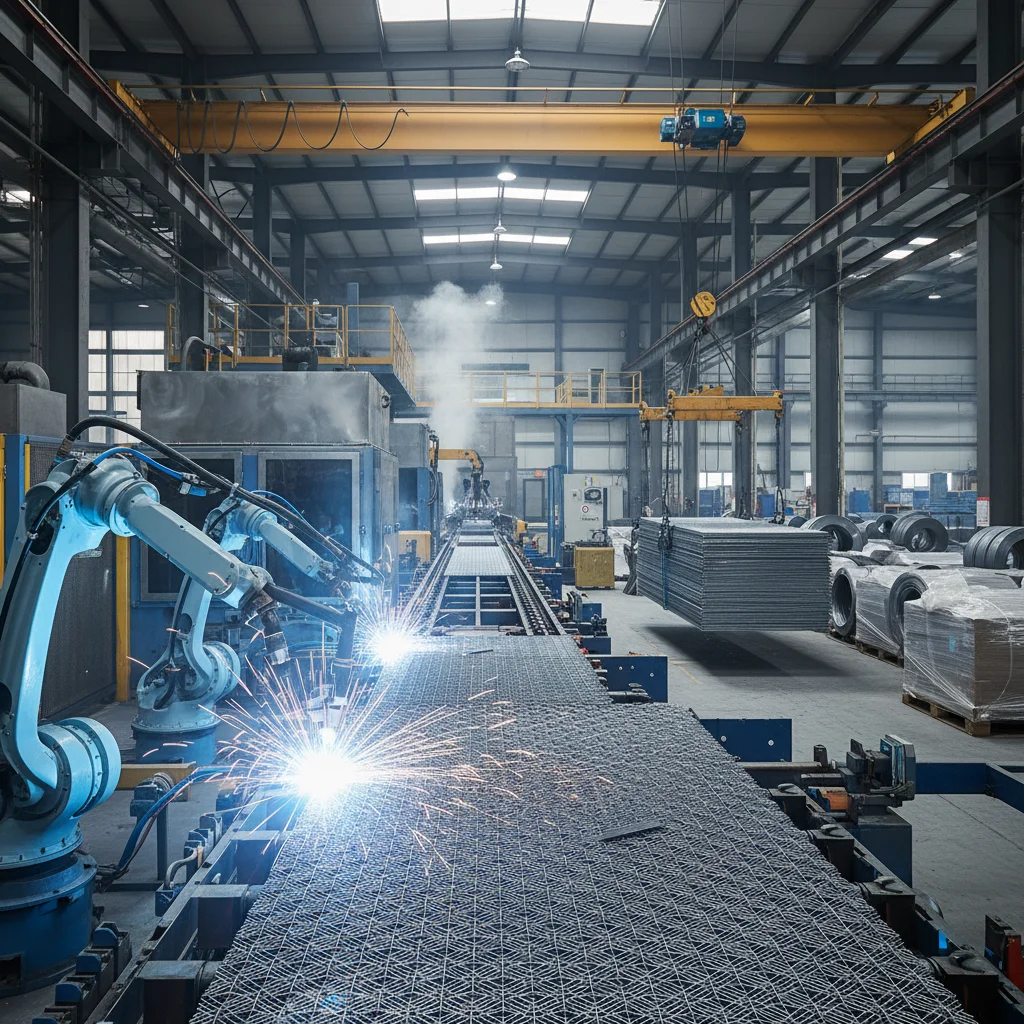
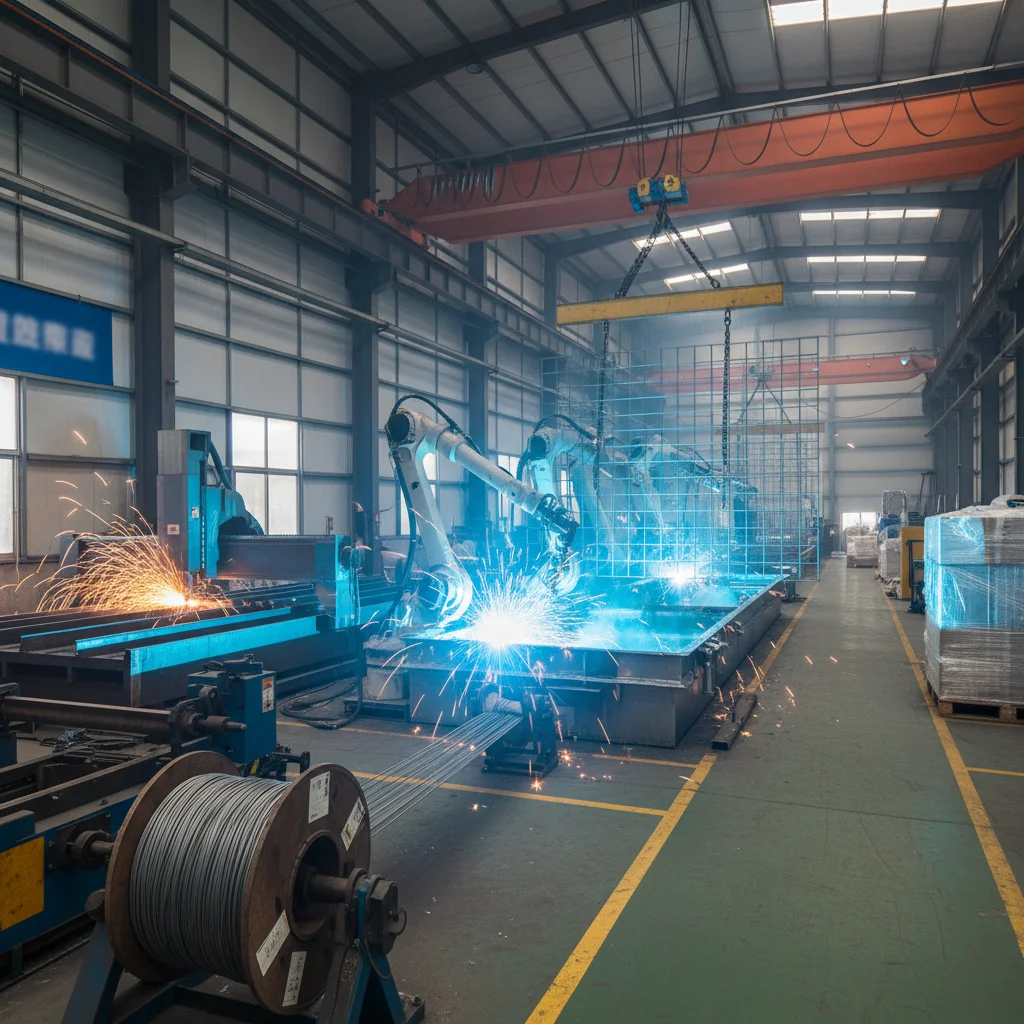
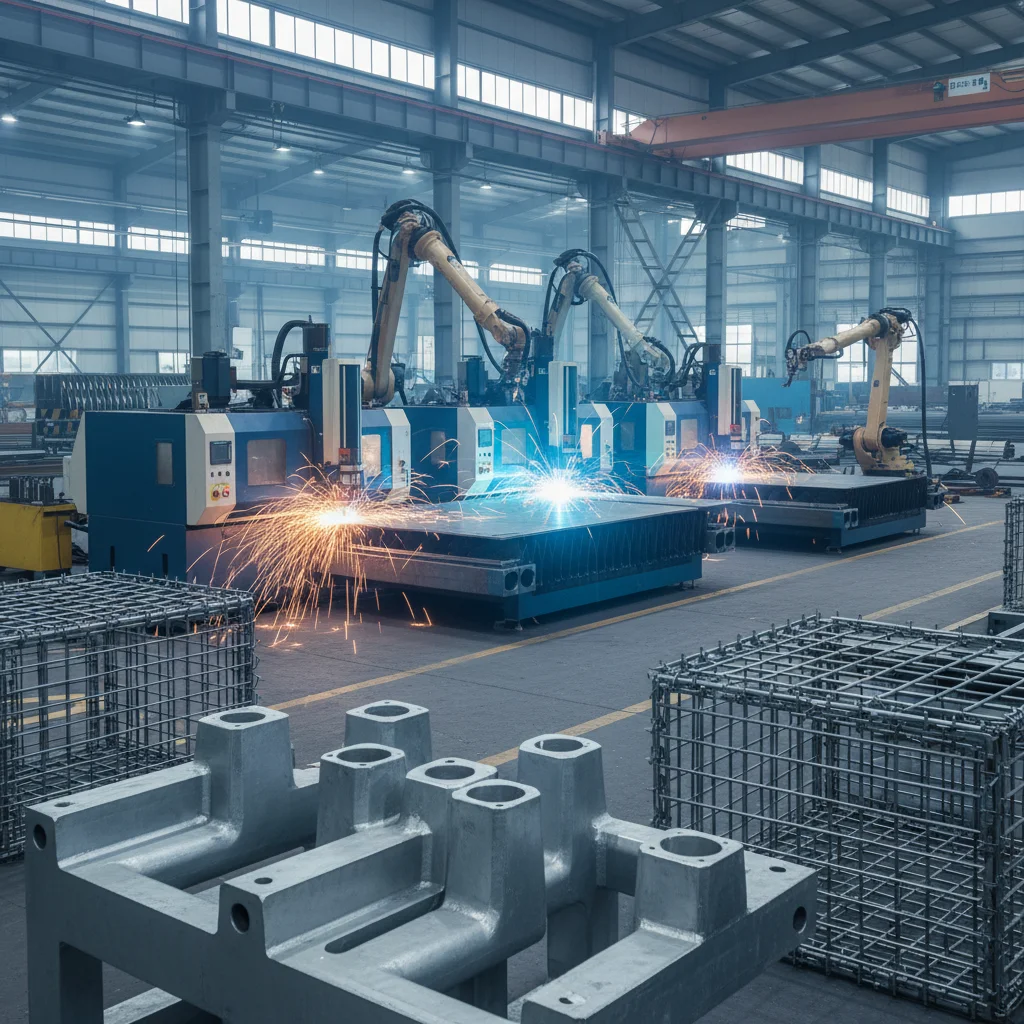
Once the wires are prepared, they are fed into an automated welding machine to form the mesh grid. At this stage, longitudinal and transverse wires are precisely aligned and welded at each intersection using advanced resistance welding technology. This creates a मजबूत and stable grid structure with evenly spaced openings. The welding process is closely monitored to ensure strong joints and prevent weak نقاط that could compromise performance.
After welding, the mesh undergoes surface treatment to improve its resistance to corrosion and environmental damage. Common treatments include galvanization, where a protective layer of zinc is applied, or specialized coatings designed to withstand moisture, chemicals, and harsh outdoor conditions. These treatments significantly extend the service life of the mesh, especially in underground or exposed environments.
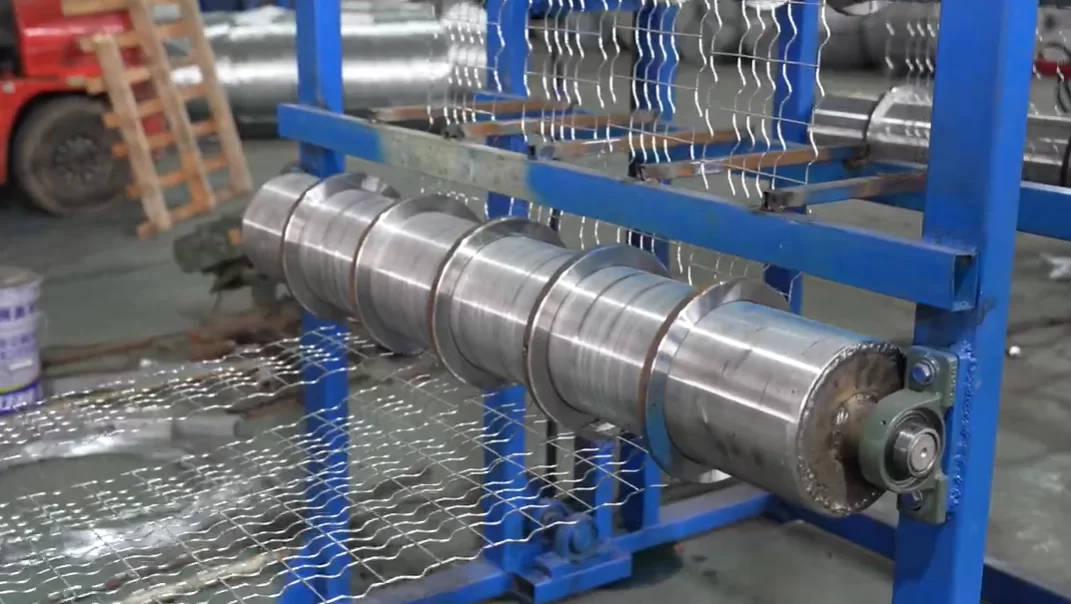
The next stage involves cutting and shaping the mesh into required sizes and specifications. Depending on project needs, the mesh can be produced in sheets or rolls, with customizable dimensions to suit different pipeline diameters and installation requirements. Precision cutting ensures easy handling and efficient installation on-site.
Quality control is a critical part of the manufacturing process. Each batch of reinforced mesh is thoroughly inspected for weld strength, dimensional accuracy, coating quality, and overall structural integrity. Advanced testing methods are used to verify that the product meets both internal standards and industry regulations.
Finally, the finished mesh is packaged and prepared for delivery. Proper packaging protects the product during transportation and ensures it arrives in optimal condition for use.
Overall, the manufacturing process of pipeline reinforced mesh combines advanced technology, strict quality control, and high-quality materials to produce a reliable reinforcement solution. This video provides a detailed look at how each step contributes to creating a product that meets the highest standards of performance and durability in modern infrastructure projects.