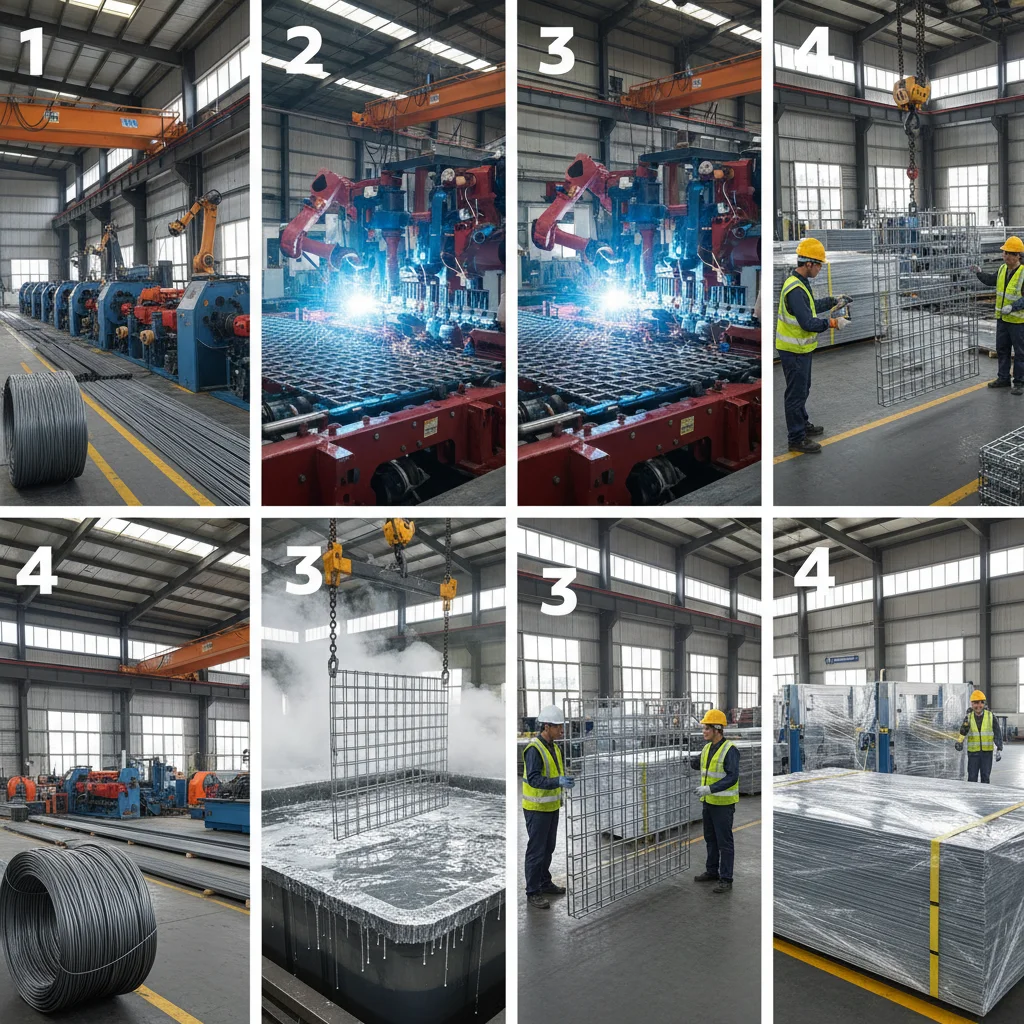
In the demanding world of industrial infrastructure, selecting a reliable welded wire galvanized factory is the cornerstone of project longevity. For high-stress environments, particularly those involving Marine Pipeline Reinforced Mesh, the synergy between precision welding and high-grade galvanization determines whether a structure survives for a decade or a century. Understanding the technical nuances of these manufacturing processes allows engineers to mitigate risks associated with corrosion and structural failure.
Globally, the shift toward sustainable urban development and expanded maritime trade has placed immense pressure on the structural integrity of reinforced meshes. A professional welded wire galvanized factory does not merely produce wire; it engineers barriers and reinforcements that protect critical energy arteries and coastal defenses. By integrating advanced metallurgy with automated welding technology, these facilities ensure that every intersection of the mesh provides maximum load-bearing capacity.
The value of partnering with an experienced welded wire galvanized factory extends beyond the physical product. It encompasses the assurance of compliance with international ISO standards and the ability to customize mesh specifications for extreme salinity or high-pressure subterranean environments. This comprehensive approach to manufacturing transforms dry industrial parameters into reliable, long-term assets for global infrastructure.
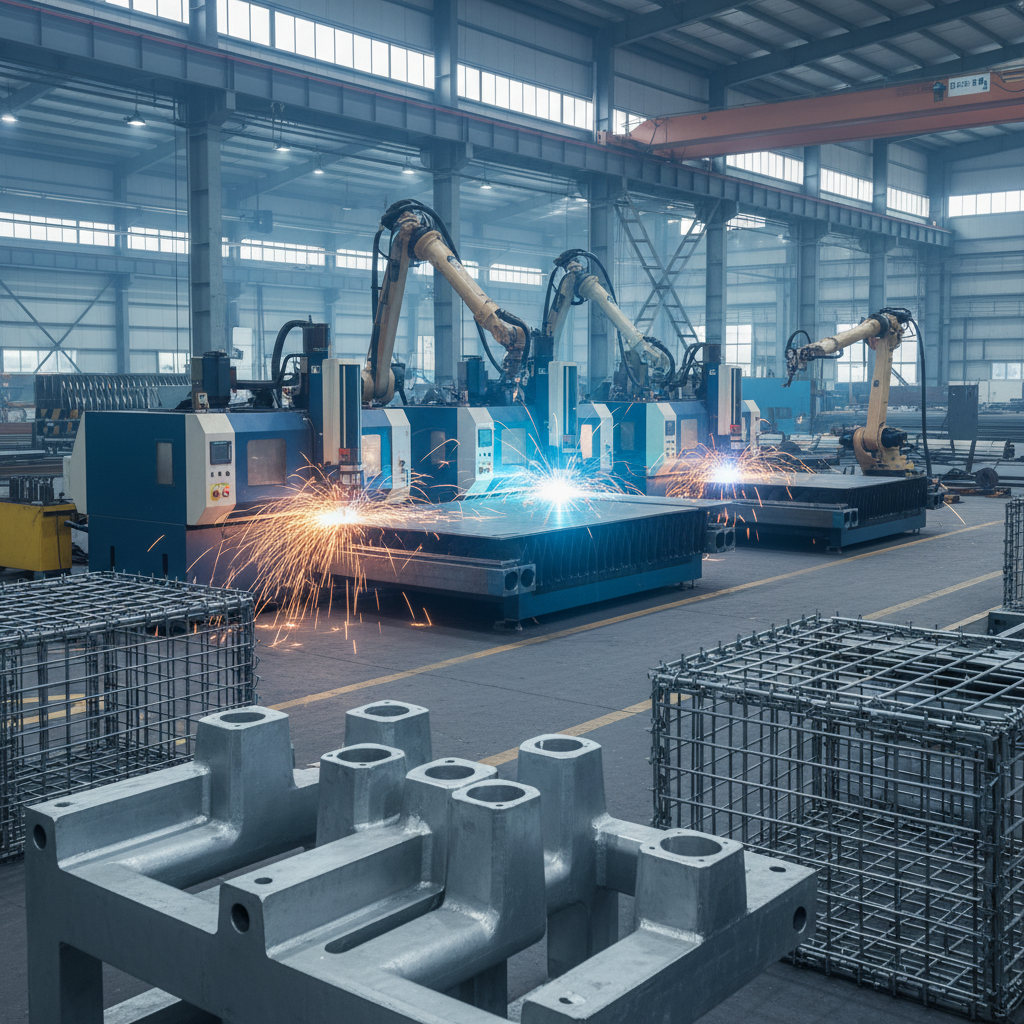
The Industrial Significance of a Welded Wire Galvanized Factory
A specialized welded wire galvanized factory serves as the backbone for critical infrastructure protection. By combining the strength of electrical resistance welding with the protective properties of hot-dip galvanization, these factories create products that are essentially immune to the early stages of oxidative decay. This is particularly vital for Marine Pipeline Reinforced Mesh, where the presence of chloride ions in seawater can accelerate steel corrosion by up to ten times compared to inland environments.
Beyond mere production, the role of such a factory is to bridge the gap between raw material science and practical civil engineering. Through rigorous quality control and the use of high-carbon steel, they ensure that the resulting mesh maintains its tension and shape under extreme hydrostatic pressure. This level of precision is what separates a generic wire product from a specialized industrial reinforcement tool.
Technical Standards in Modern Mesh Production
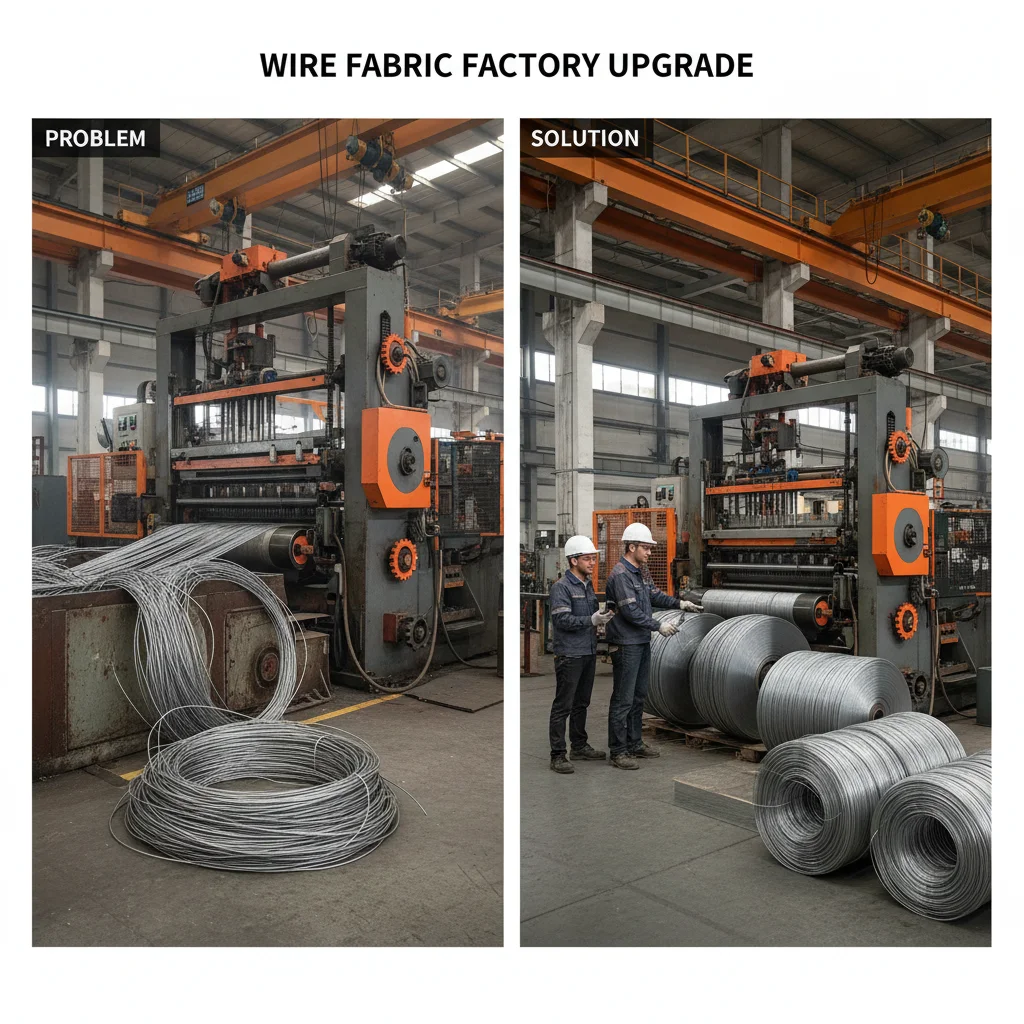
The operational excellence of a welded wire galvanized factory is measured by its adherence to strict international standards, such as ASTM A123 for hot-dip galvanizing and ISO 9001 for quality management. These standards ensure that the zinc coating is not only uniform but also possesses the necessary thickness to withstand abrasive installation processes. When dealing with reinforced mesh for pipelines, any gap in the coating can become a point of failure, leading to systemic corrosion.
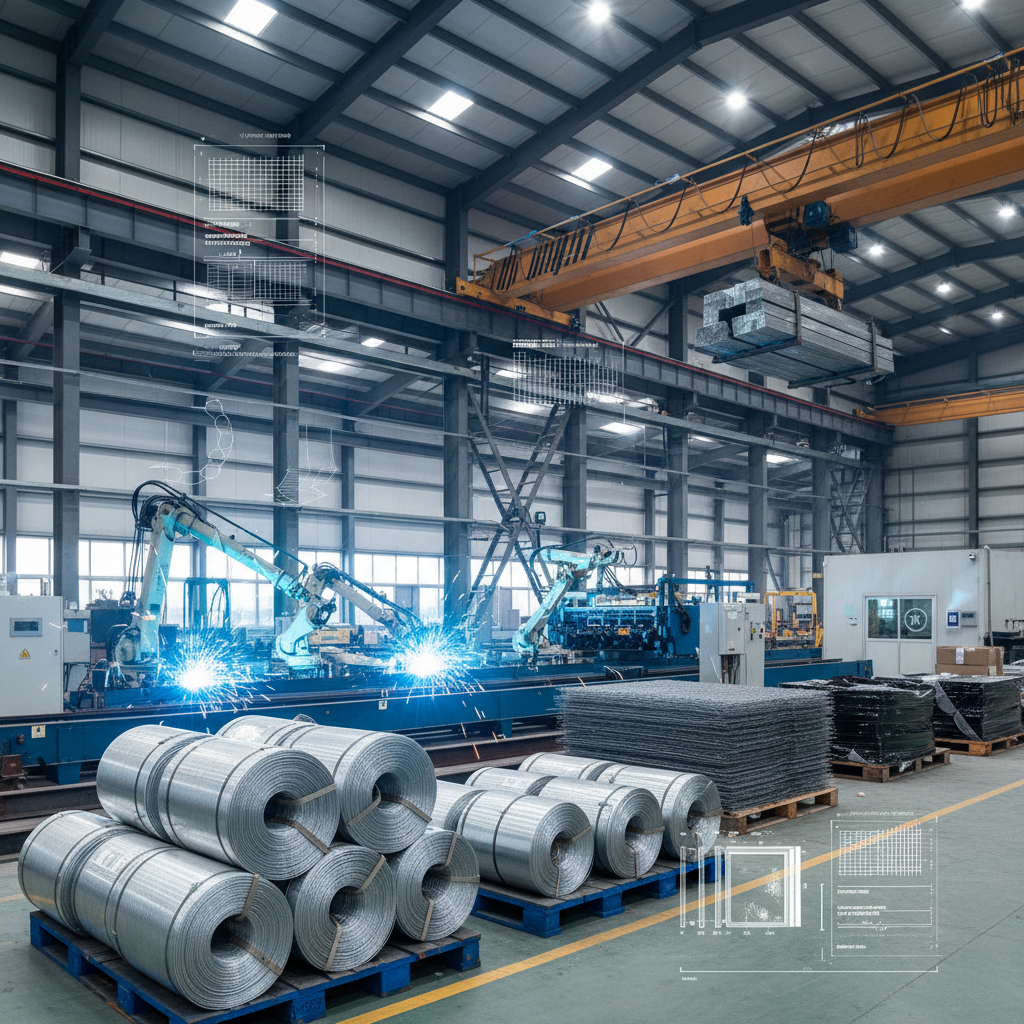
Precision welding is another critical technical pillar. Modern facilities utilize CNC-controlled welding machines that ensure every junction is fused with exact pressure and current, preventing "cold welds" that could snap under tension. This mechanical consistency is what allows engineers to calculate the exact load-bearing capacity of the Marine Pipeline Reinforced Mesh, providing a predictable safety margin for high-risk installations.
Furthermore, the integration of automated inspection systems—including ultrasonic testing and X-ray diffraction—allows a top-tier welded wire galvanized factory to detect microscopic flaws before the product ever leaves the facility. This proactive approach to quality assurance minimizes the need for costly on-site repairs and extends the operational lifespan of the infrastructure significantly.
Core Components of Galvanized Reinforcement
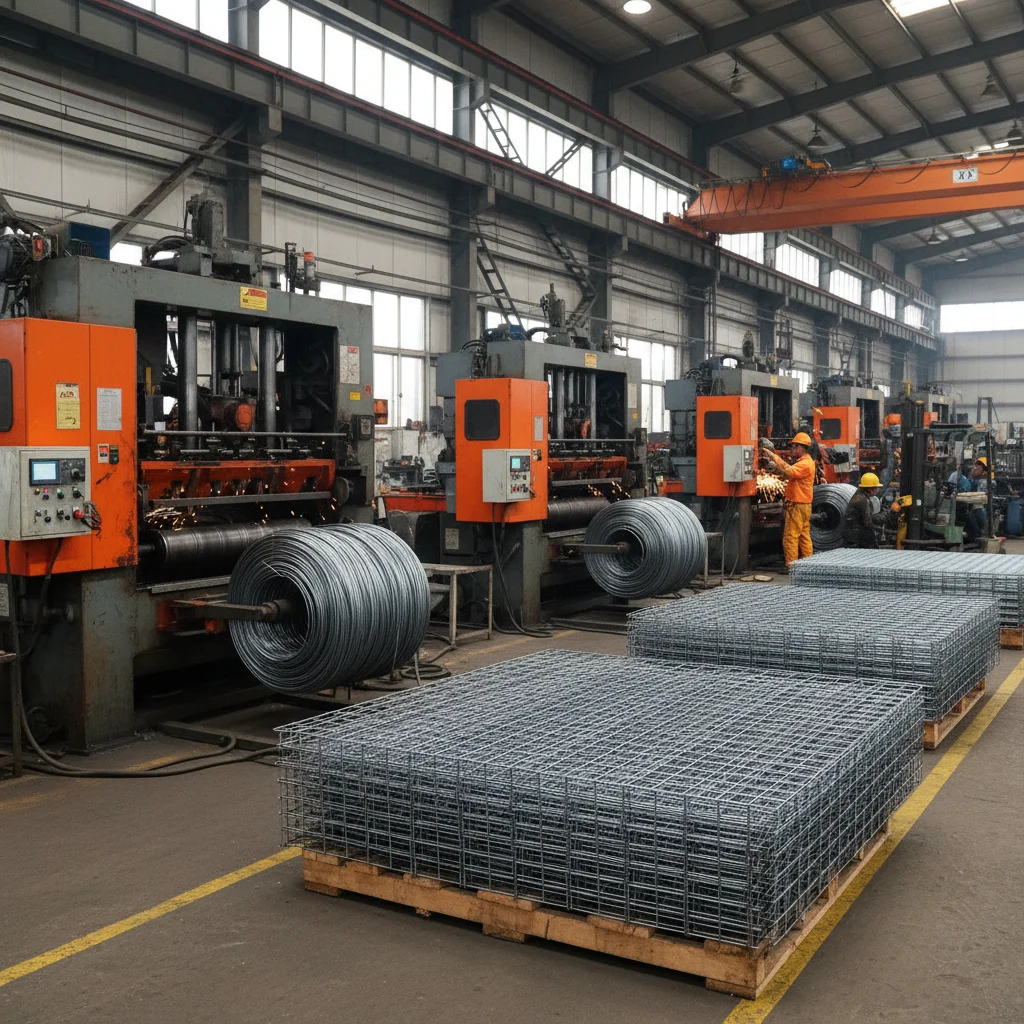
The primary strength of any product from a welded wire galvanized factory lies in the quality of the raw steel wire. High-tensile carbon steel is typically chosen for its ability to withstand immense pressure without permanent deformation, making it ideal for the skeletal structure of pipeline reinforcements.
The galvanization process is the second critical component, where the steel is submerged in a molten zinc bath. A professional welded wire galvanized factory ensures that the zinc-iron alloy layers are chemically bonded to the substrate, creating a sacrificial anode that protects the inner steel core even if the surface is scratched during deployment.
Finally, the geometry of the weld—the intersection where wires cross—determines the overall rigidity of the mesh. By optimizing the weld nugget size, the factory ensures that the Marine Pipeline Reinforced Mesh can distribute stress evenly across the entire surface, preventing localized failures and ensuring structural stability.
Performance Metrics of High-Grade Mesh
Evaluating the output of a welded wire galvanized factory requires a deep dive into specific performance metrics. These include the Tensile Strength of the wire, the Coating Thickness (measured in microns), and the Weld Shear Strength. For Marine Pipeline Reinforced Mesh, the ability to resist salt-spray corrosion is the most critical KPI, often tested through accelerated aging chambers that simulate decades of oceanic exposure.
When comparing different manufacturing methods, it becomes clear that the integration of automated heat treatment and precision galvanizing leads to superior results. The following data illustrates how different production approaches within a welded wire galvanized factory impact the overall reliability and rating of the final reinforced mesh.
Reinforcement Performance by Factory Production Method
Global Applications of Marine Pipeline Mesh
The applications of products from a welded wire galvanized factory are vast, spanning across multiple continents and industries. In the North Sea, for instance, Marine Pipeline Reinforced Mesh is used to stabilize underwater pipelines against powerful currents and shifting seabed sediments. This prevents the pipeline from sagging or vibrating, which could otherwise lead to fatigue cracks and catastrophic environmental leaks.
Beyond maritime use, these reinforced meshes are deployed in remote industrial zones for soil stabilization and erosion control around critical energy hubs. In post-disaster relief operations in coastal regions, galvanized mesh is often used to create rapid-deployment retaining walls, proving that the versatility of a welded wire galvanized factory's output is essential for both planned infrastructure and emergency response.
Long-term Economic Value and Sustainability
Investing in high-quality output from a reputable welded wire galvanized factory is a strategic economic decision. While the initial cost of hot-dip galvanized Marine Pipeline Reinforced Mesh may be higher than untreated alternatives, the Life Cycle Cost (LCC) is significantly lower. By eliminating the need for frequent reapplications of anti-corrosive paints and reducing the frequency of structural replacements, operators save millions in maintenance overhead.
From a sustainability perspective, the longevity of galvanized steel reduces the demand for raw material extraction and the energy consumption associated with frequent manufacturing cycles. A welded wire galvanized factory that utilizes closed-loop water systems and zinc recovery processes further enhances the eco-friendly profile of the product, aligning industrial needs with global green energy goals.
Ultimately, the value is found in the peace of mind provided by reliability. When a pipeline is buried beneath kilometers of ocean or earth, the cost of failure is not just financial—it is ecological and reputational. The trust placed in a certified welded wire galvanized factory ensures that the "invisible" layers of protection are the strongest parts of the system.
Future Innovations in Galvanized Wire Technology
The future of the welded wire galvanized factory is being shaped by digital transformation and material science. We are seeing the rise of "Smart Mesh," where conductive fibers are integrated into the galvanized structure to monitor tension and corrosion in real-time. This allows operators to detect structural weaknesses via sensors before a visible breach occurs, transforming the mesh from a passive barrier into an active monitoring system.
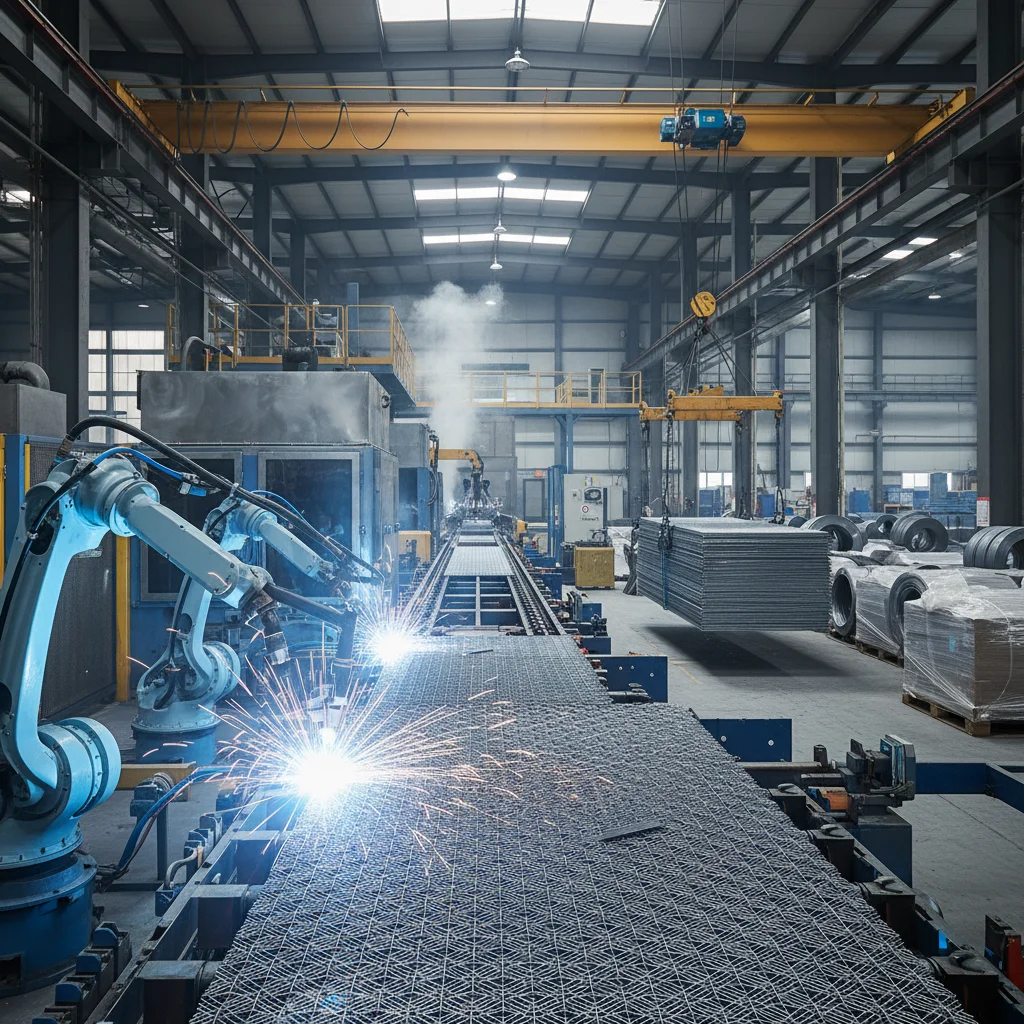
Automation is also redefining the production line. AI-driven welding systems can now adjust the current in milliseconds based on the temperature and diameter of the wire, ensuring 100% weld consistency. This reduction in human error means that the Marine Pipeline Reinforced Mesh of tomorrow will be lighter, stronger, and more resistant to extreme environments than ever before.
Furthermore, the development of hybrid coatings—combining zinc galvanization with epoxy or polymer layers—is extending the lifespan of products in highly acidic or hyper-saline waters. The following table summarizes how these innovations are transforming the operational standards of the modern factory.
Comparison of Traditional vs. Innovative Galvanized Mesh Technologies
| Technology Type |
Corrosion Resistance |
Lifespan (Years) |
Implementation Cost |
| Standard Hot-Dip |
High |
20-30 |
Moderate |
| Zinc-Alloy Hybrid |
Very High |
40-50 |
High |
| Electro-Galvanized |
Moderate |
10-15 |
Low |
| Polymer-Coated Galv |
Extreme |
60+ |
Very High |
| Smart-Sensor Mesh |
High (Monitored) |
30-40 |
Premium |
| Cold-Rolled Basic |
Low |
5-10 |
Very Low |
FAQS
A hot-dip process ensures that the zinc coating is bonded chemically to the steel, providing a much thicker and more durable layer than electro-galvanizing. This is essential for Marine Pipeline Reinforced Mesh, as it creates a sacrificial barrier that prevents rust even in high-salinity environments, significantly extending the life of the installation.
Depending on the coating thickness and the specific zinc-alloy used by the welded wire galvanized factory, high-grade mesh can last between 30 to 60 years. Factors such as water temperature, pH levels, and the presence of abrasive sediments will influence the exact lifespan, but hot-dip galvanization is the industry standard for maximum longevity.
Yes, a professional welded wire galvanized factory can adjust the wire gauge (thickness), the mesh aperture (opening size), and the welding pressure to meet specific engineering blueprints. This allows for the creation of reinforced mesh that can withstand specific hydrostatic pressures or prevent the ingress of specific types of debris.
Modern factories use closed-loop systems to minimize waste. Because galvanized steel is incredibly long-lived, it reduces the need for frequent replacements and the associated carbon footprint of transport and manufacturing. Additionally, steel and zinc are both highly recyclable materials, contributing to a circular industrial economy.
Check for certifications such as ISO 9001, ASTM A123, or EN 10346. Request mill test certificates (MTC) for the raw steel and galvanizing thickness reports. A reputable factory will provide transparent data on weld shear strength and coating weight per square meter to prove their products meet industrial safety standards.
Welded wire is fused at every intersection, providing superior structural rigidity and preventing the mesh from shifting or "unraveling" under pressure. Woven wire is more flexible but lacks the load-bearing consistency required for Marine Pipeline Reinforced Mesh, making welded products the only viable choice for high-stress infrastructure.
Conclusion
In summary, the role of a specialized welded wire galvanized factory extends far beyond simple manufacturing; it is an essential component of global infrastructure safety. By mastering the intersection of high-tensile steel, precision welding, and advanced galvanization, these facilities provide the critical protection required for Marine Pipeline Reinforced Mesh to survive the harshest environments on Earth. The synergy of technical standards, performance metrics, and sustainable practices ensures that today's investments lead to tomorrow's stability.
Looking forward, the integration of AI and smart materials will further refine the precision and durability of galvanized products. For engineers and project managers, the priority must remain on selecting partners who prioritize rigorous testing and international compliance over short-term cost savings. As we continue to expand our maritime and industrial reach, the reliance on high-performance reinforced mesh will only grow, making the choice of a certified factory the most critical decision in the planning phase. Visit our website for more professional solutions: www.djpipelinemesh.com