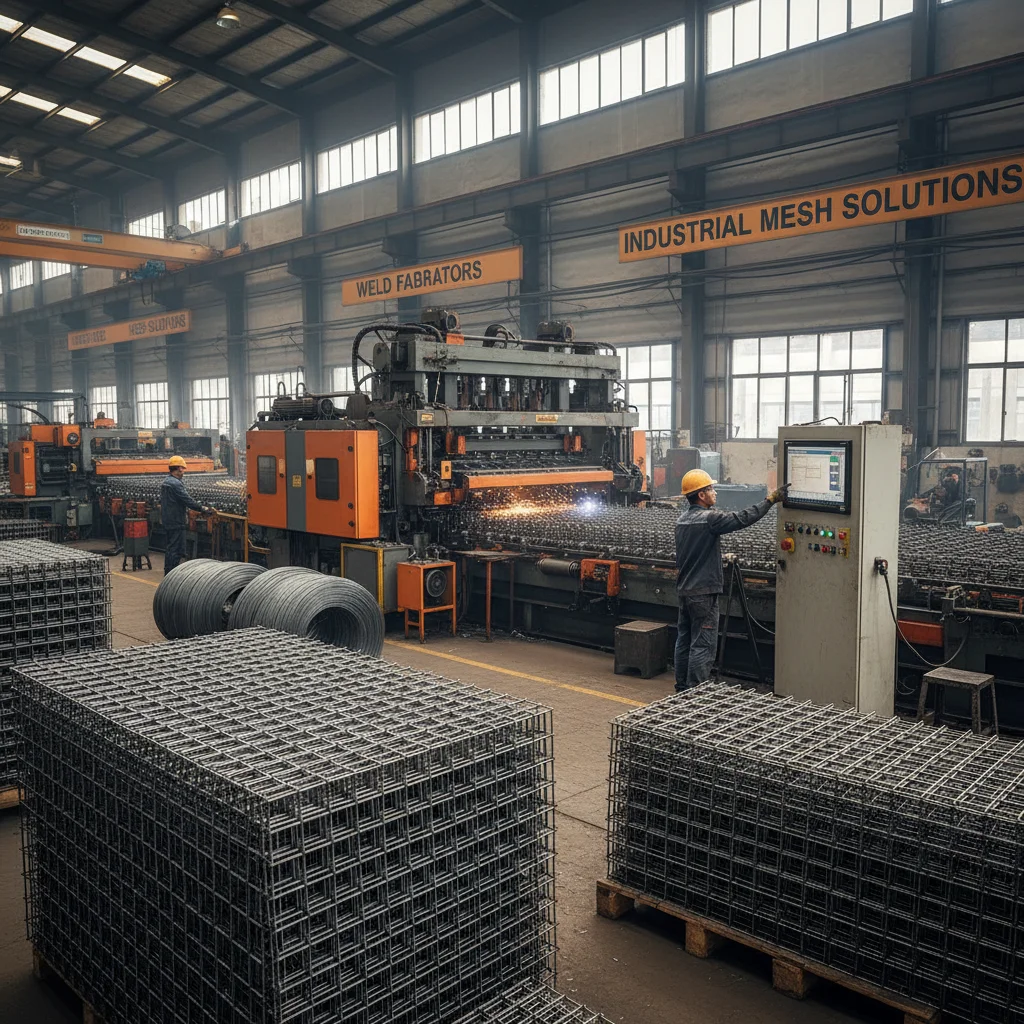
Selecting a high-performance wire fabric factory is a critical decision for engineers and procurement officers overseeing large-scale infrastructure projects. In the demanding environment of marine pipeline reinforcement, the integrity of the mesh determines the lifespan of the entire underwater system, making the manufacturer's precision and material quality paramount.
Across the global industrial landscape, the demand for structural metal products has shifted toward specialized, high-durability solutions that can withstand extreme corrosive environments. A professional wire fabric factory does not merely weave metal; it engineers protective barriers that prevent pipeline collapse and erosion, ensuring the safe transport of vital resources across oceans.
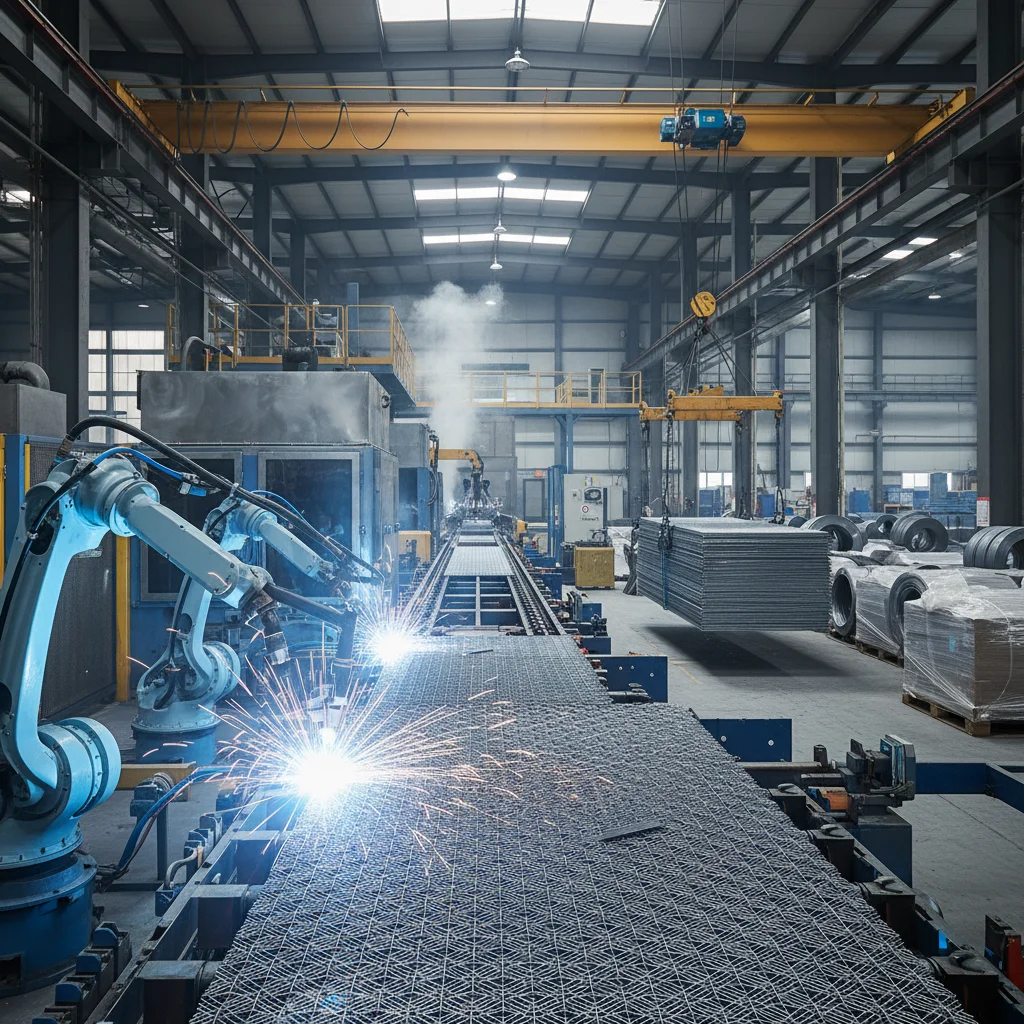
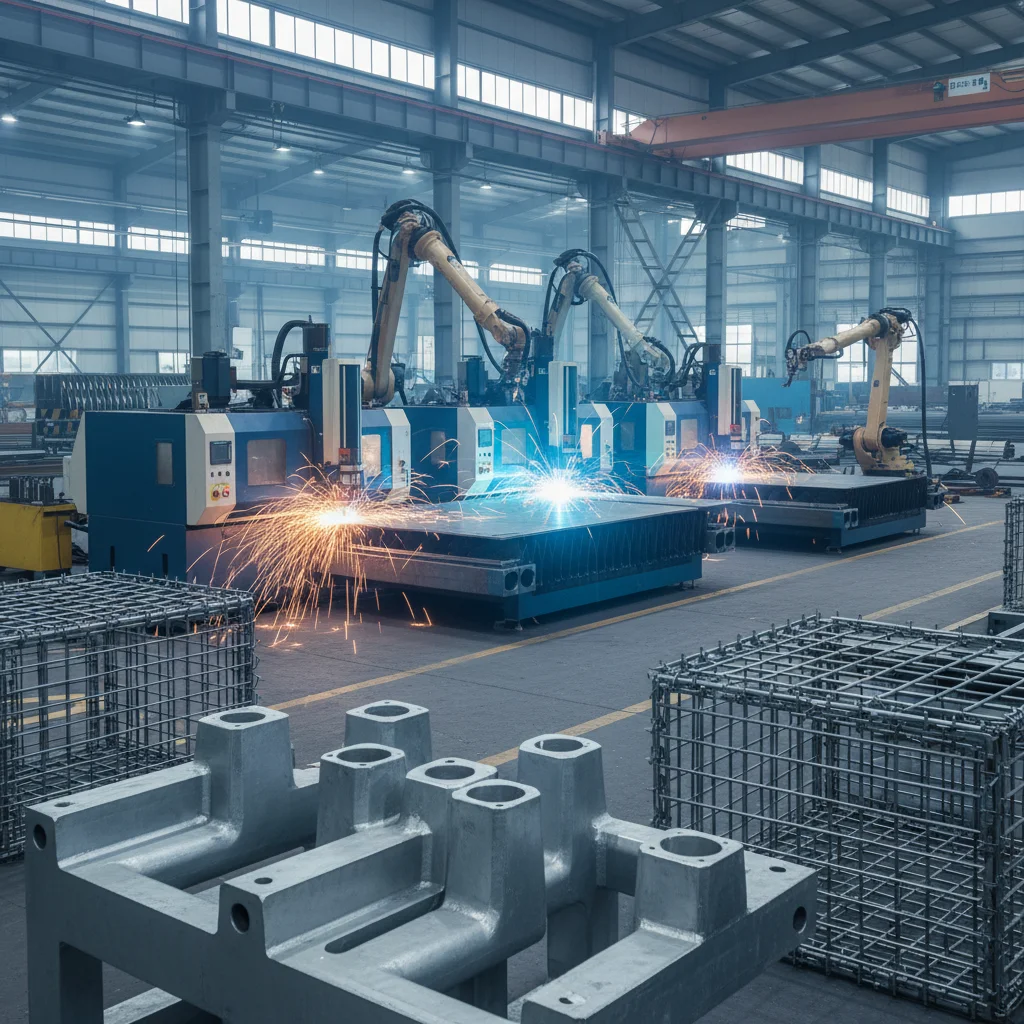
Understanding the operational nuances of a modern wire fabric factory allows companies to optimize their supply chains and reduce long-term maintenance costs. By integrating advanced metallurgy with automated weaving techniques, these factories provide the Marine Pipeline Reinforced Mesh necessary to maintain structural stability in the face of volatile oceanic currents and high pressure.
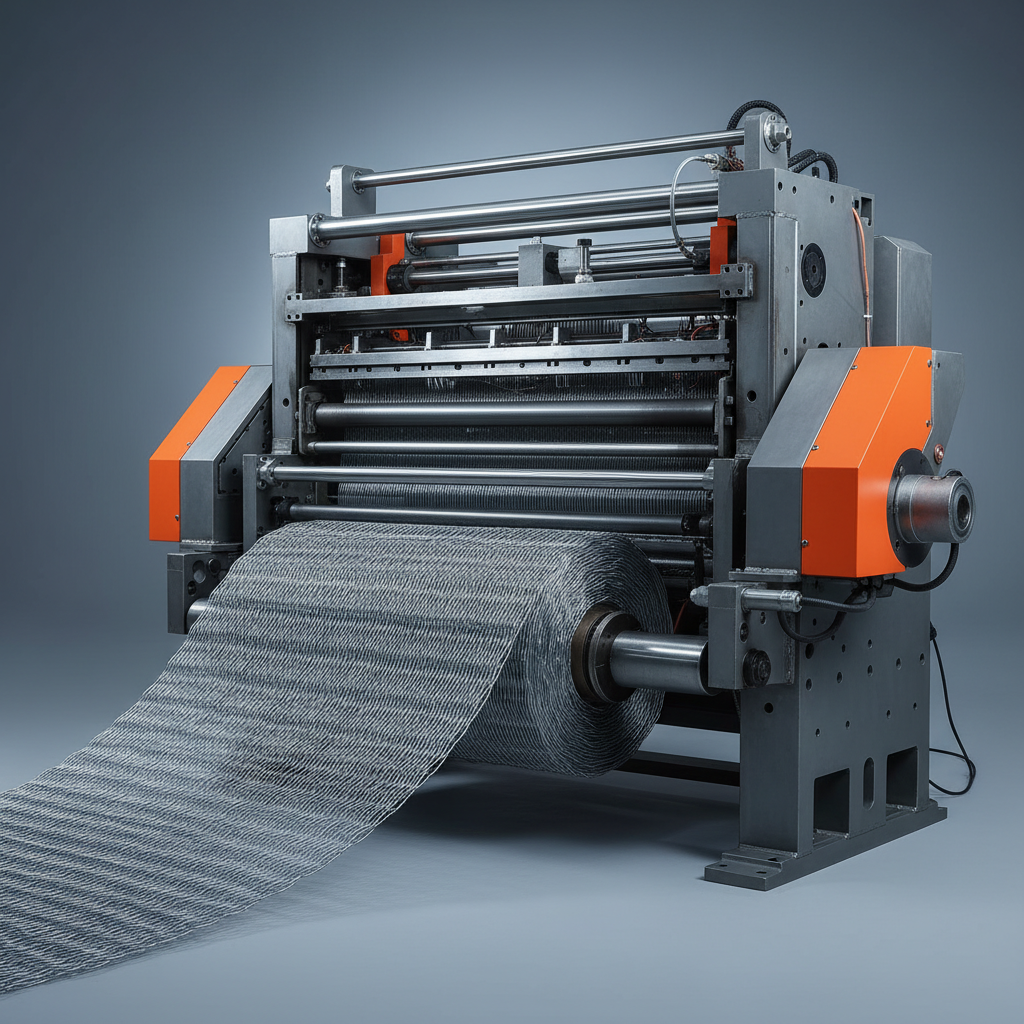
Global Industrial Relevance of Wire Fabric Production
The global reliance on reinforced metal structures has grown exponentially as energy extraction moves into deeper and more hostile waters. According to international industrial standards and ISO benchmarks, the precision of a wire fabric factory is the primary variable in preventing catastrophic pipeline failure. With the expansion of offshore wind and gas, the need for standardized, high-tensile reinforced mesh has become a global priority to avoid environmental disasters.
Many regions face the challenge of "accelerated corrosion," where traditional metal coatings fail prematurely. A specialized wire fabric factory addresses this by developing hybrid alloy meshes that combine structural strength with chemical resistance. This industrial evolution ensures that infrastructure projects are not only viable but sustainable over a 50-year operational lifecycle.
Defining the Modern Wire Fabric Factory
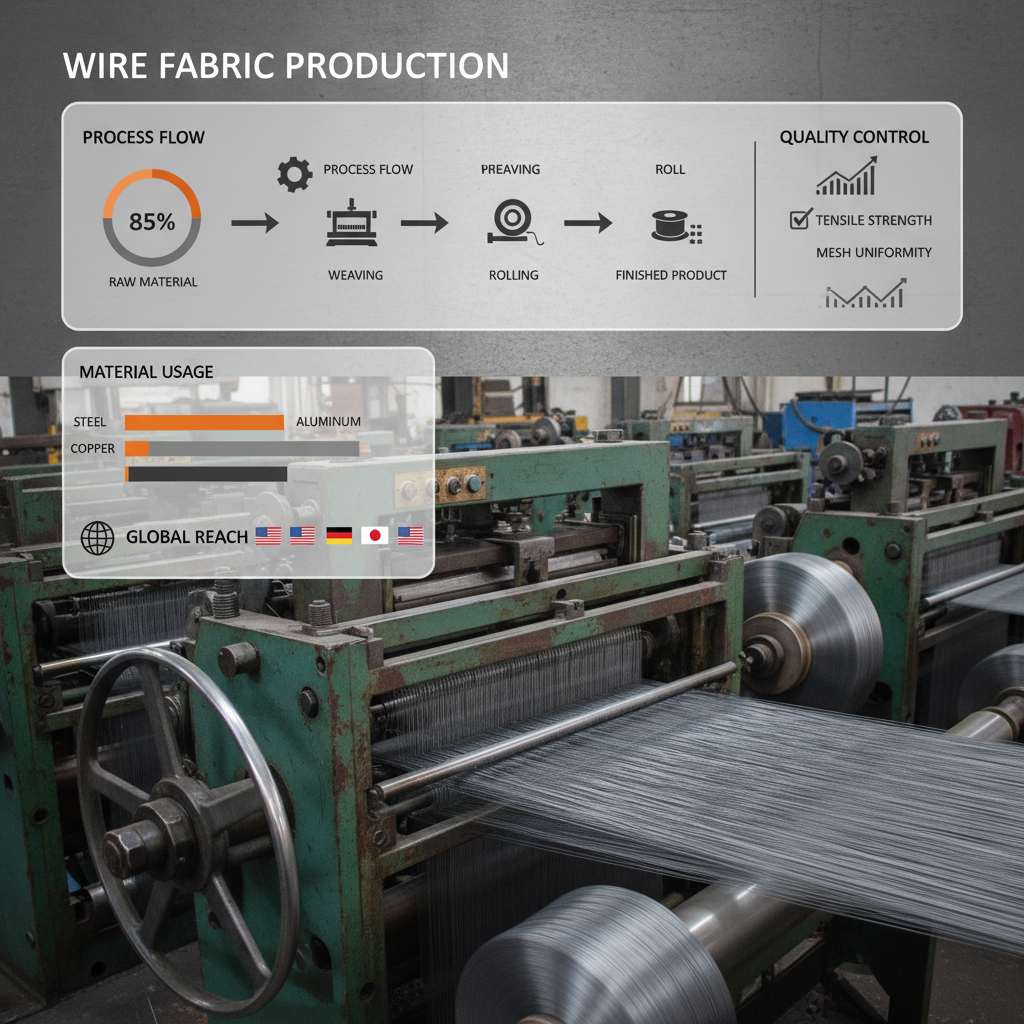
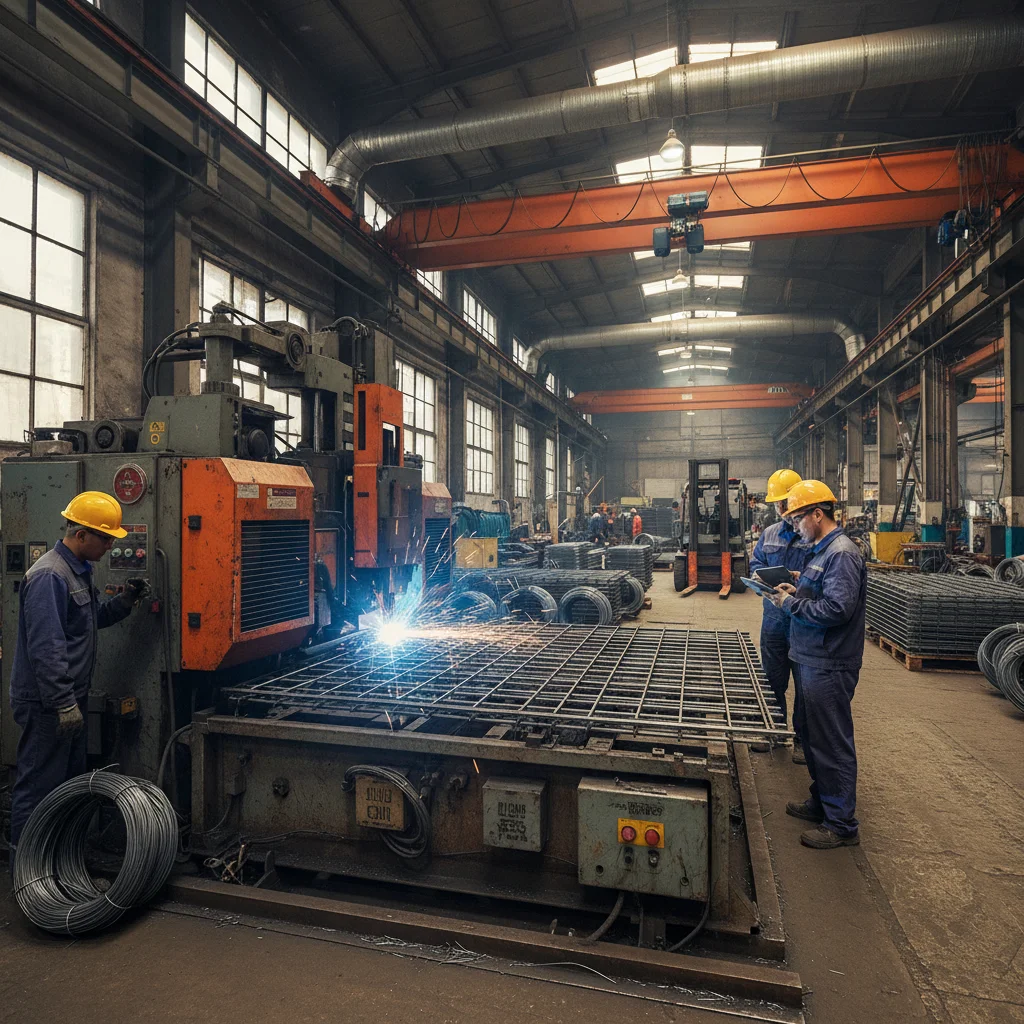
In simple terms, a wire fabric factory is a specialized manufacturing facility that utilizes complex weaving, braiding, and welding technologies to transform raw metal wires into functional structural fabrics. Unlike basic fencing plants, a high-end factory focusing on Marine Pipeline Reinforced Mesh employs aerospace-grade precision to ensure every intersection of the mesh can distribute mechanical stress evenly across the pipeline surface.
The connection between these factories and modern humanitarian or industrial needs is profound. For instance, the stability of energy pipelines directly impacts the cost of heating and electricity for millions of people. By providing the structural "skeleton" for these pipes, a wire fabric factory contributes to the energy security of entire nations.
Modern facilities have evolved into integrated engineering hubs. They no longer just follow a blueprint; they collaborate with marine architects to determine the exact wire gauge and weave pattern required for specific depth pressures, blending material science with mechanical engineering to solve real-world deployment challenges.
Core Components of High-Quality Mesh Production
Durability is the cornerstone of any product leaving a wire fabric factory. For marine applications, this involves using stainless steel 316L or duplex alloys that resist chloride-induced pitting. The weaving tension must be perfectly calibrated to prevent the mesh from loosening under the extreme thermal expansion and contraction cycles common in deep-sea environments.
Scalability and precision weaving are what separate a Tier-1 wire fabric factory from smaller workshops. The ability to produce kilometers of consistent mesh without a single weak point in the weave is essential for pipeline integrity. Automated quality control systems now use laser scanning to detect millimetric deviations in the fabric pattern, ensuring 100% compliance with project specifications.
Cost efficiency in the long run is achieved through material optimization. By calculating the exact weight of wire needed for a specific load-bearing capacity, a wire fabric factory can reduce waste while increasing the strength-to-weight ratio. This allows for easier transportation and faster installation during the critical windows of offshore deployment.
Global Applications of Reinforced Wire Fabric
The applications of mesh produced by a wire fabric factory extend far beyond simple reinforcement. In the North Sea and the Gulf of Mexico, Marine Pipeline Reinforced Mesh is used as a critical outer layer to protect pipelines from anchor drags and seabed shifting. These high-tensile fabrics act as a shock absorber, protecting the inner pressure-bearing walls from external impact.
Beyond the energy sector, similar technologies are applied in coastal erosion control and underwater bridge foundations. In remote industrial zones, these metal fabrics are used to stabilize soil in landslide-prone areas, proving that the engineering logic developed for the ocean has immense terrestrial value in preventing infrastructure collapse.
Comparative Performance of Wire Fabric Factory Production Methods
Long-Term Value and Strategic Advantages
The primary tangible benefit of partnering with a certified wire fabric factory is the drastic reduction in "Life Cycle Cost" (LCC). While high-grade reinforced mesh may require a higher initial investment, the elimination of frequent underwater repairs and the prevention of leakages provide an exponential return on investment.
From a logical and emotional perspective, the use of superior wire fabric brings peace of mind to project stakeholders. The safety of thousands of workers and the protection of marine ecosystems depend on the reliability of the mesh. Trust in the factory's quality control processes translates directly into operational confidence and corporate responsibility.
Future Trends in Metal Fabric Engineering
The future of the wire fabric factory is inextricably linked to digital transformation. Industry 4.0 is introducing "smart meshes" embedded with fiber-optic sensors that can detect tension changes or corrosion in real-time. This allows pipeline operators to identify potential failure points before they become critical, moving from reactive to predictive maintenance.
Sustainability is also driving a shift toward "green metallurgy." Leading factories are now utilizing recycled high-grade alloys and low-carbon smelting processes to reduce the environmental footprint of metal production. This alignment with global ESG (Environmental, Social, and Governance) goals is becoming a requirement for winning international tenders.
Furthermore, automation through AI-driven weaving looms is allowing for "variable-density" fabrics. A wire fabric factory can now produce a single roll of mesh that is denser in high-stress areas and lighter in low-stress zones, optimizing both material usage and structural performance.
Overcoming Technical Challenges in Production
One of the most common limitations in the industry is "wire fatigue" during the weaving process, which can create microscopic fractures in the metal. A sophisticated wire fabric factory overcomes this by implementing controlled-radius bending guides and lubricant-enhanced weaving, ensuring that the molecular structure of the wire remains intact.
Another challenge is the inconsistency of coating adhesion on woven surfaces. Expert factories solve this by employing plasma treatment or advanced electro-galvanization, which ensures that anti-corrosive layers bond perfectly to every intersection of the mesh, leaving no gaps for saltwater to penetrate.
Finally, logistical challenges in transporting massive rolls of reinforced mesh are solved through custom-engineered modular winding. By designing the fabric for a specific deployment sequence, the factory reduces the risk of deformation during transit, ensuring the product arrives in perfect condition for installation.
Analysis of Technical Standards in Wire Fabric Factory Production
|
Production Metric
|
Standard Method
|
Advanced Factory Approach
|
Performance Gain
|
| Tensile Strength |
Cold-rolled wire |
Heat-treated alloy |
+35% Load Capacity |
| Corrosion Rate |
Zinc Galvanized |
Duplex Steel / PVD |
10x Longer Lifespan |
| Weave Precision |
Manual Tensioning |
Electronic Servo Control |
Zero-Defect Pattern |
| Waste Material |
Standard Cutting |
AI-Optimized Layout |
-20% Material Waste |
| QC Inspection |
Random Sampling |
100% Laser Scanning |
Total Quality Assurance |
| Deployment Speed |
Bulk Shipping |
Modularized Spools |
40% Faster Install |
FAQS
You should check for ISO 9001 quality certifications and specific material certifications like ASTM or API. A professional factory will provide Mill Test Reports (MTR) for the raw wire and independent lab results for salt spray tests, ensuring the reinforced mesh can survive the intended saline environment for the specified duration.
Yes, high-end factories offer bespoke engineering services. By adjusting the wire gauge (diameter) and the weave pitch (the distance between wires), they can create a Marine Pipeline Reinforced Mesh that balances flexibility for installation with the rigidity required to resist high-pressure collapse at specific ocean depths.
Depending on the alloy used (e.g., Stainless Steel 316 or Super Duplex), the lifespan typically ranges from 25 to 50 years. The key factor is the quality of the coating and the precision of the weave; a factory that ensures a seamless surface finish prevents the localized pitting that usually leads to premature failure.
Absolutely. Automated weaving ensures constant tension across the entire length of the fabric, which is critical for structural uniformity. Manual braiding often introduces "tension spikes" or loose areas that become the primary failure points under stress, making automated production the only viable choice for critical infrastructure.
Expert factories use specialized heavy-duty spools and vacuum-sealed packaging to prevent oxidation and deformation during shipping. They also coordinate with logistics partners to provide "just-in-time" delivery to the deployment vessel, reducing the time the material spends in harsh dockside environments.
Yes, many factories are transitioning to recycled alloys and "Closed-Loop" manufacturing where scrap wire is re-smelted on-site. Additionally, the shift toward solvent-free powder coatings instead of traditional chemical dips is reducing the VOC emissions associated with the finishing process of the mesh.
Conclusion
In conclusion, the role of a wire fabric factory extends far beyond simple manufacturing; it is a critical link in the chain of global energy and infrastructure safety. By combining advanced metallurgical science with precision automated weaving, these factories provide the essential reinforcement that allows Marine Pipeline Reinforced Mesh to protect our most vital underwater assets against the relentless forces of nature.
As we look toward a future of deeper exploration and greener energy, the evolution of these facilities will be defined by smart materials and sustainable production. For engineers and project managers, prioritizing a partner that emphasizes E-E-A-T principles—Experience, Expertise, Authoritativeness, and Trustworthiness—is the only way to guarantee the longevity and safety of structural metal projects. Visit our website: www.djpipelinemesh.com