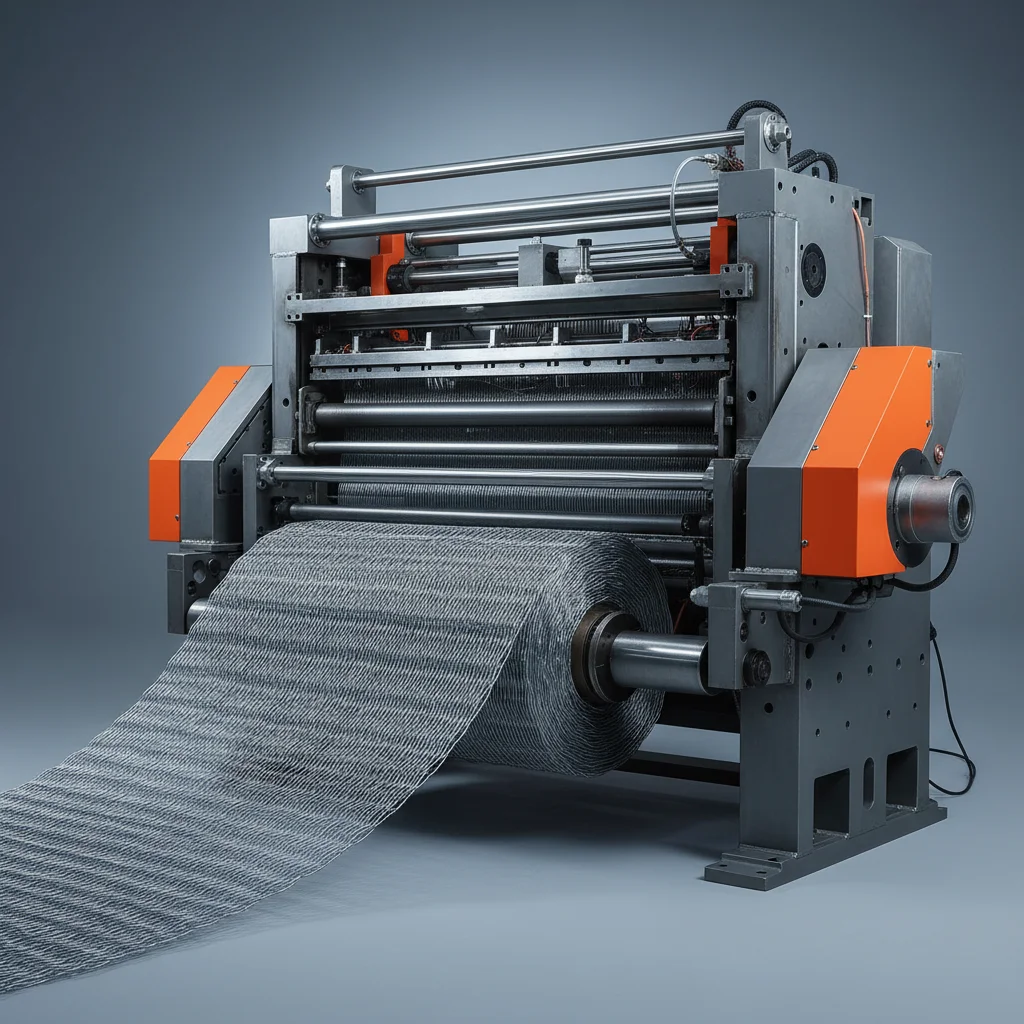

How Pipeline Reinforced Mesh Enhances Strength And Durability In Infrastructure
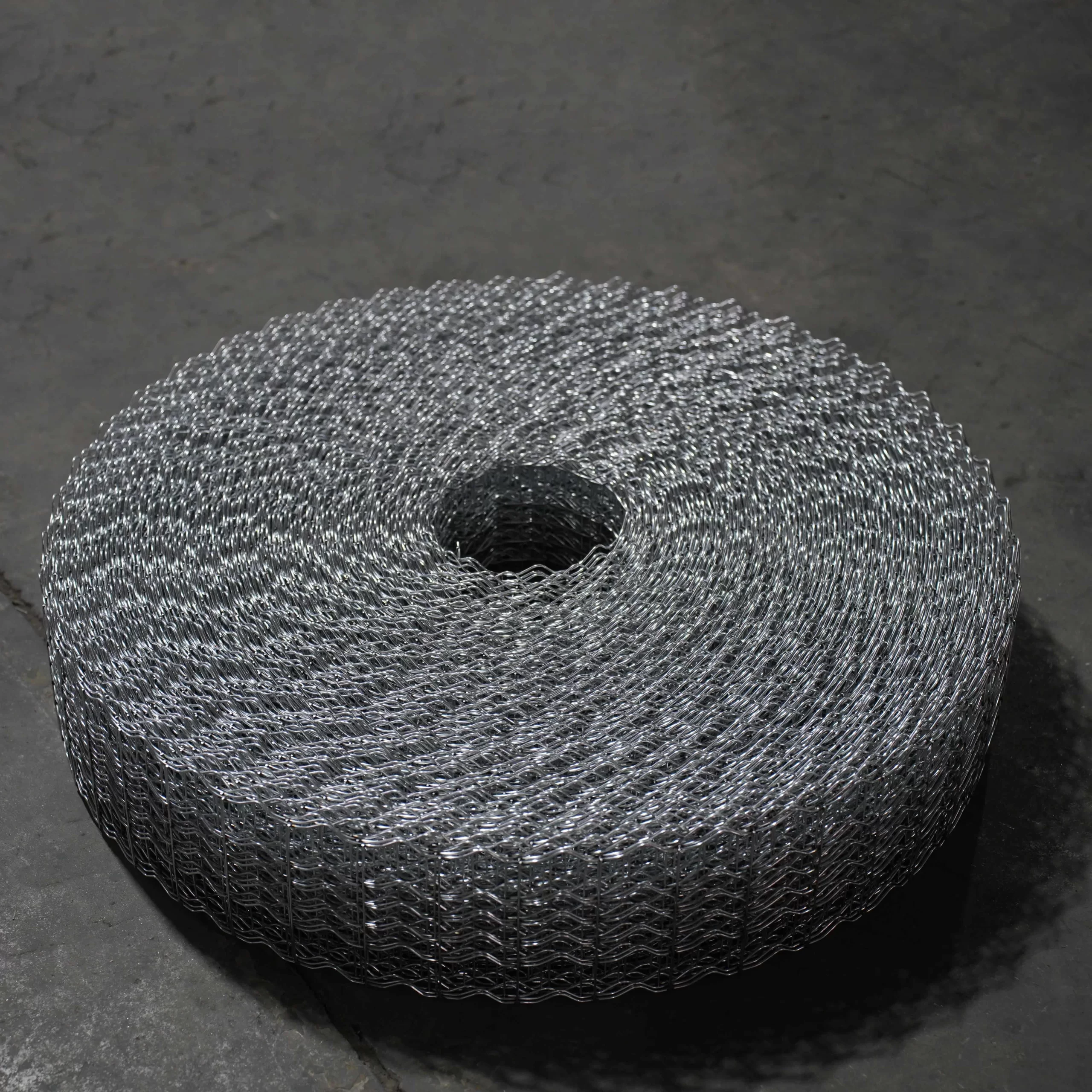
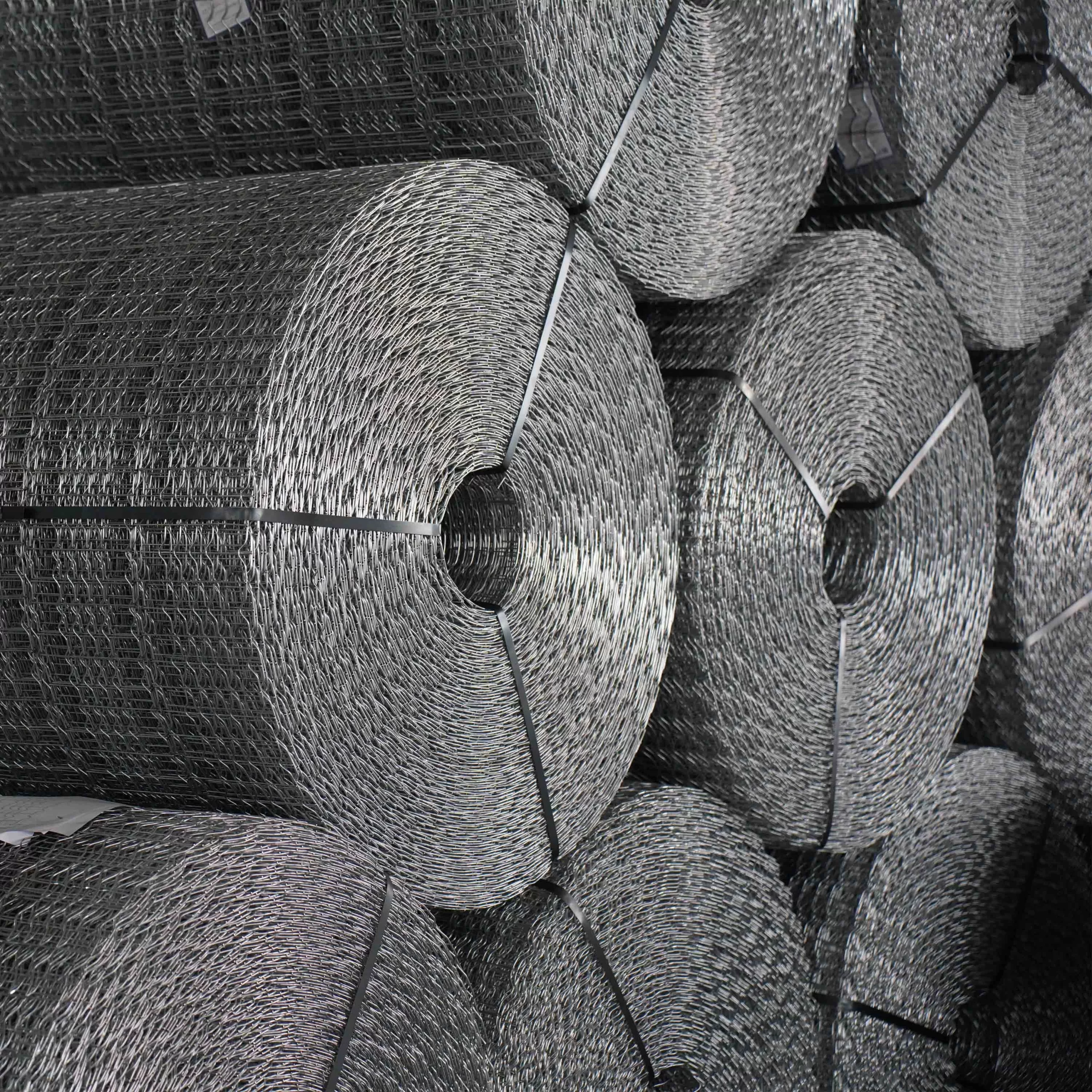
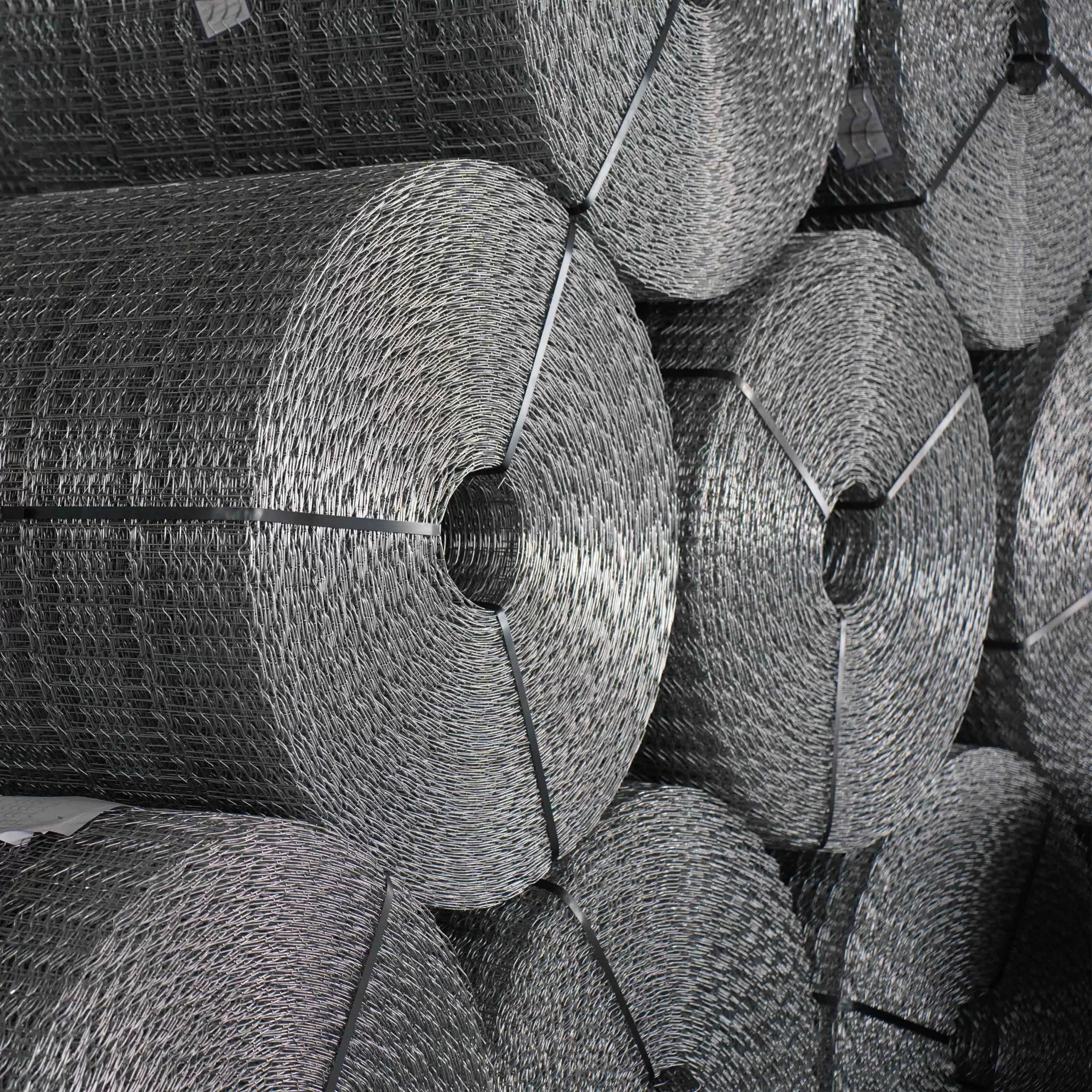
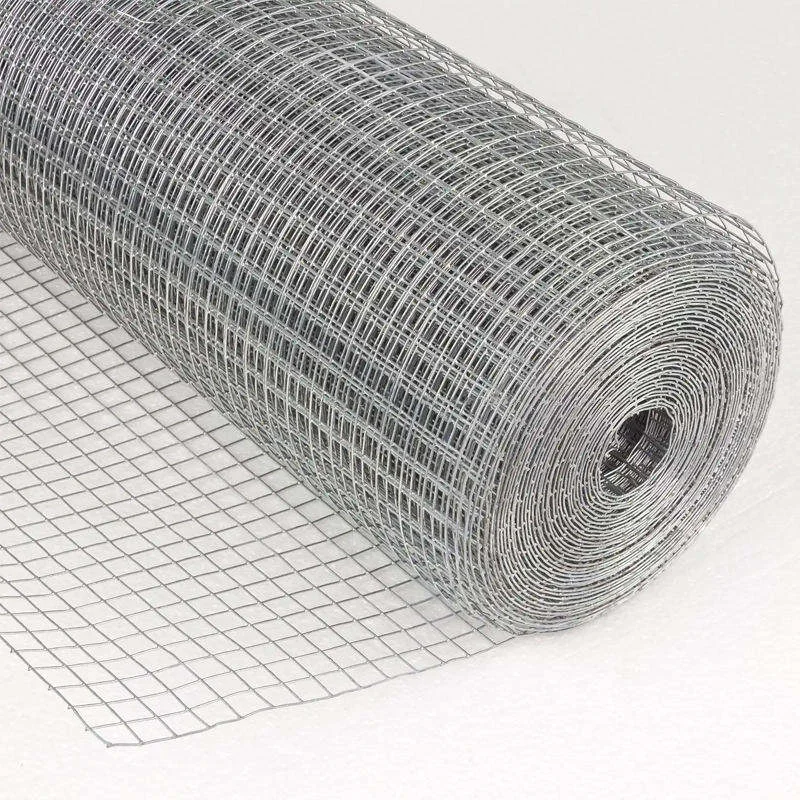
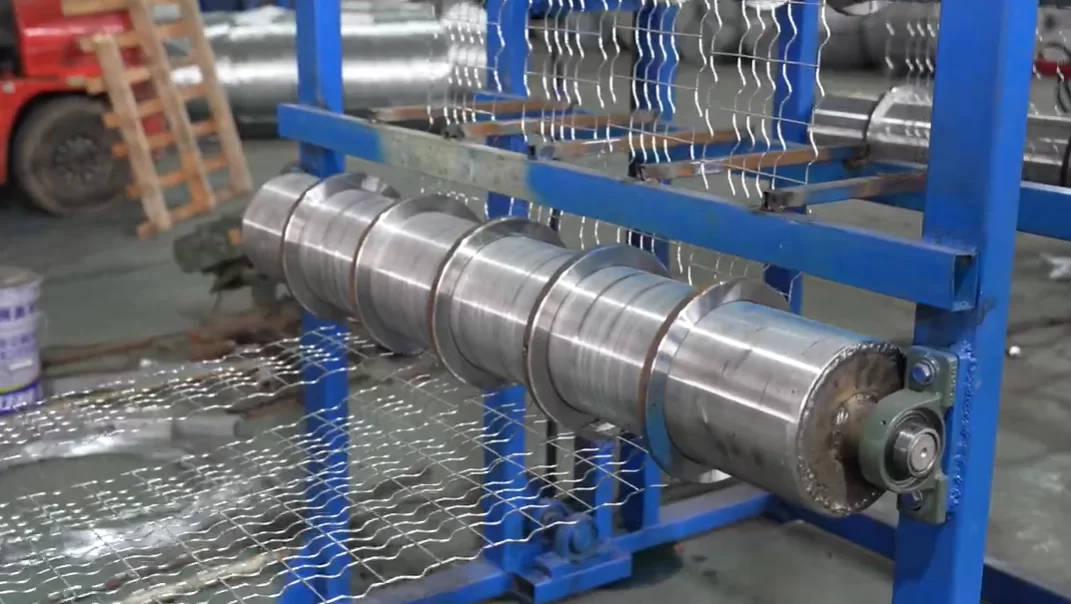
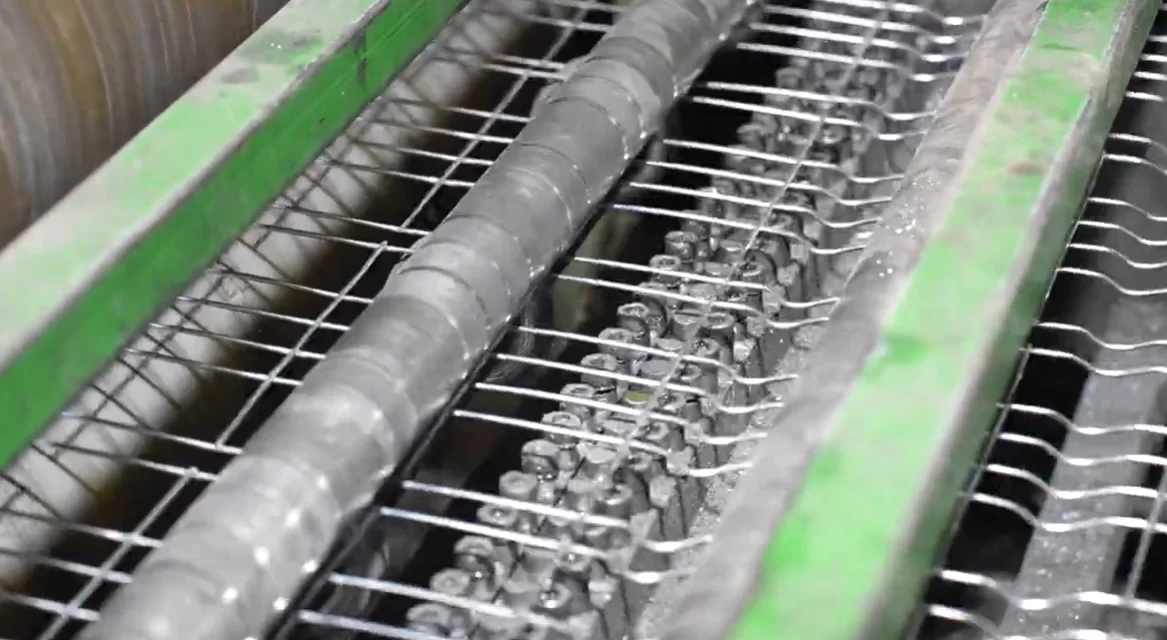
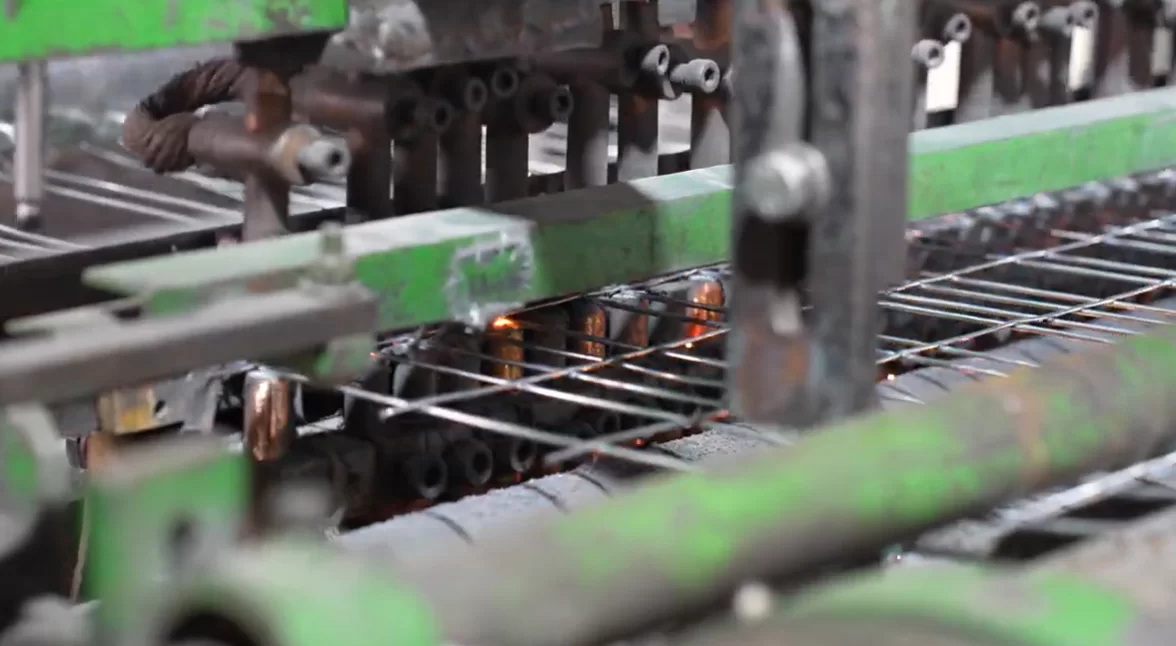
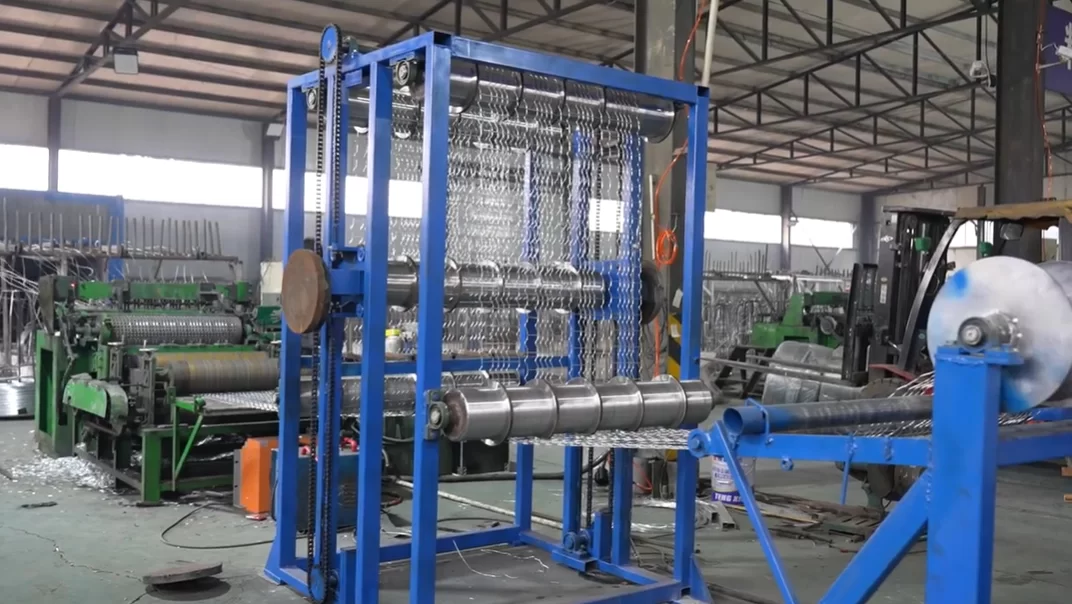
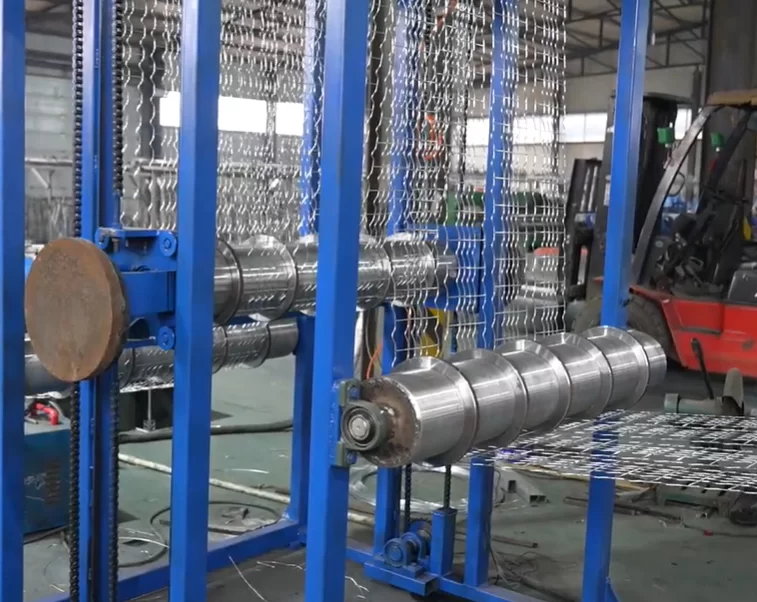
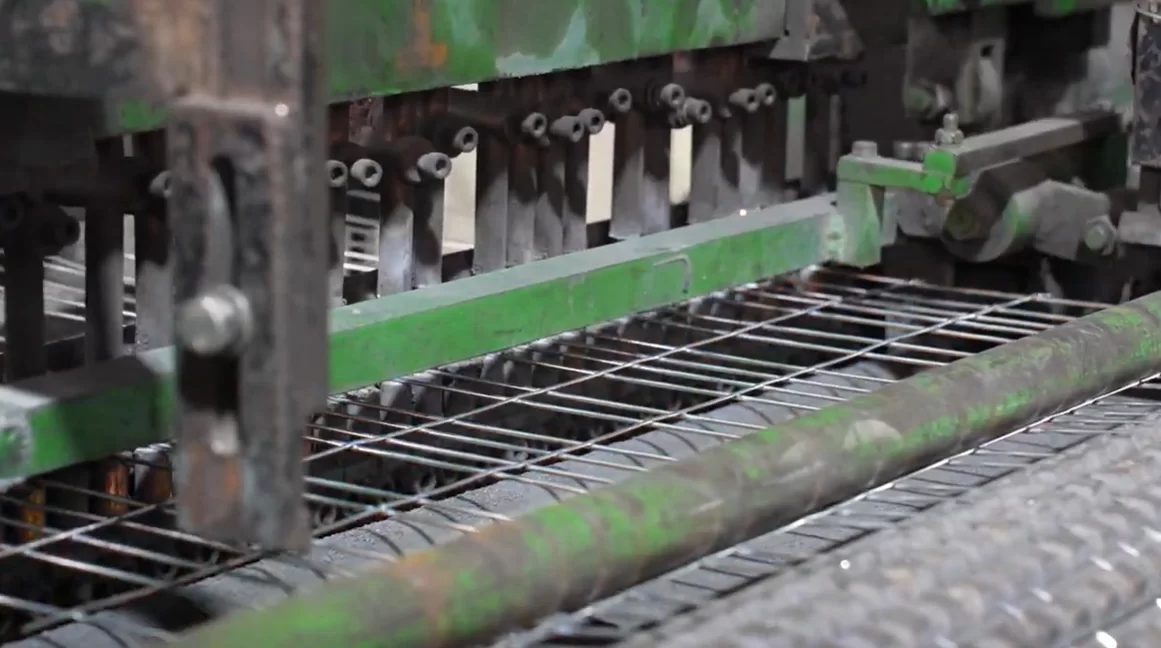
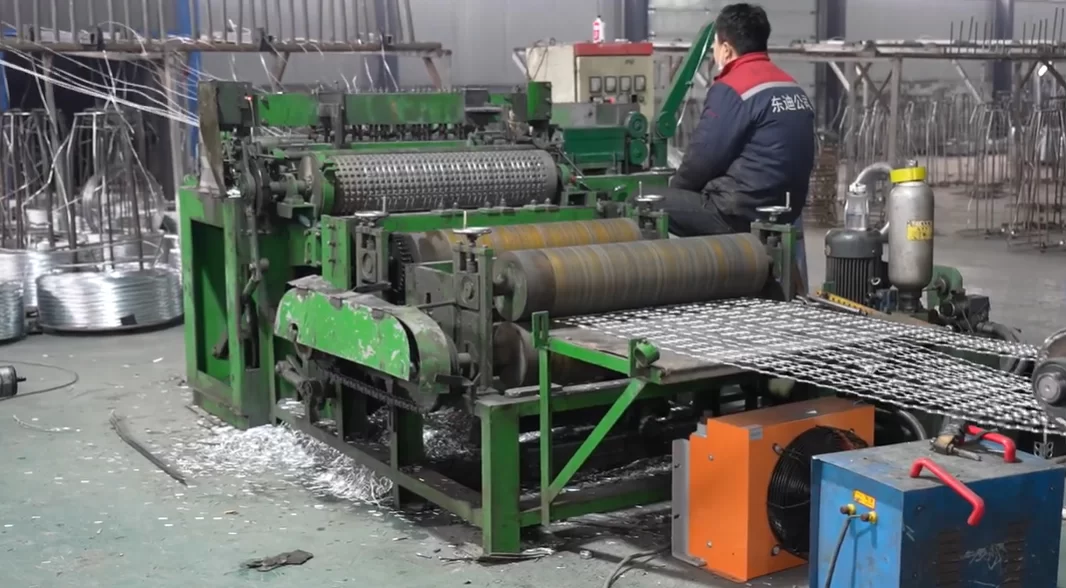
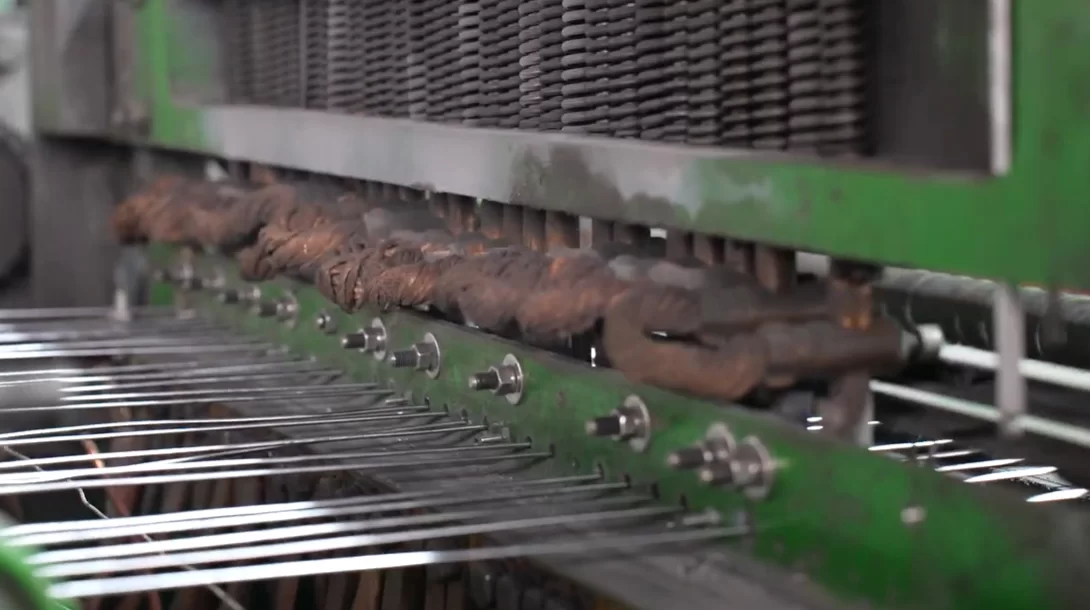
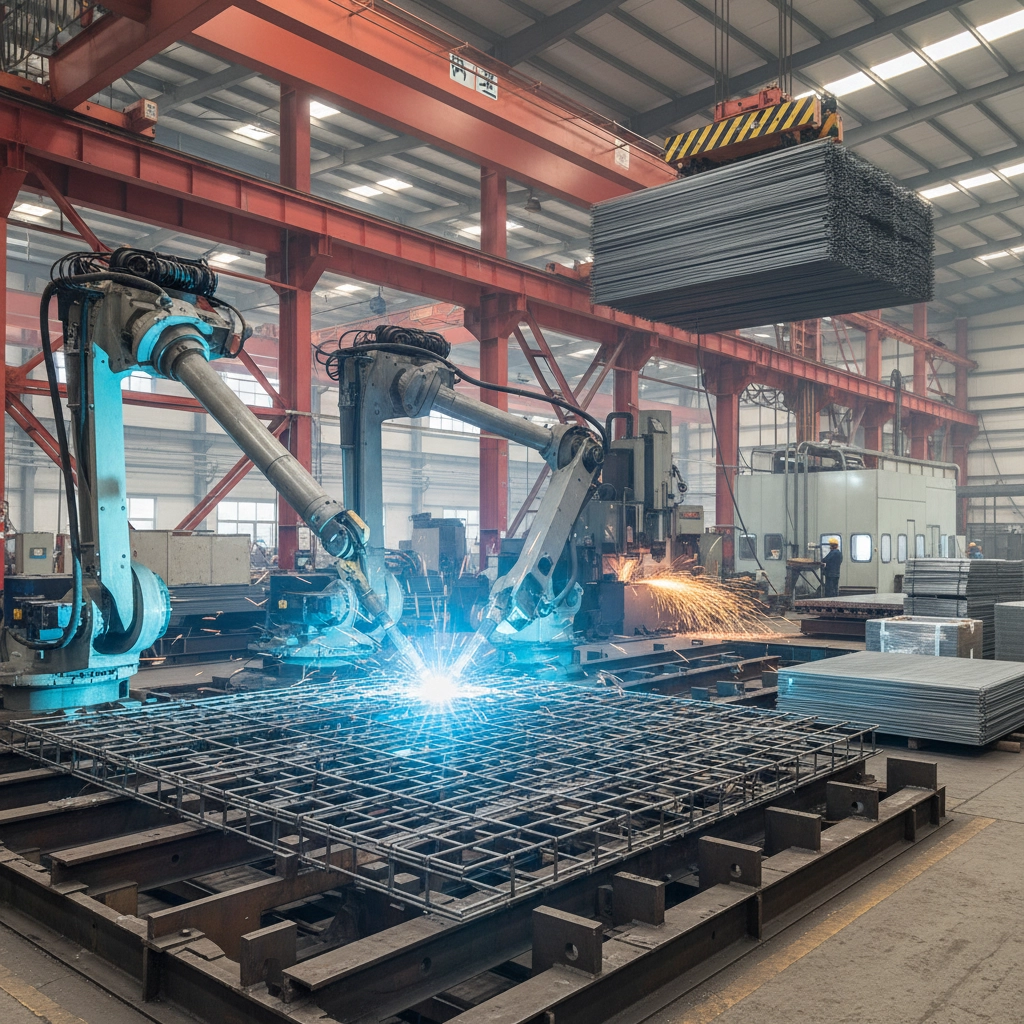
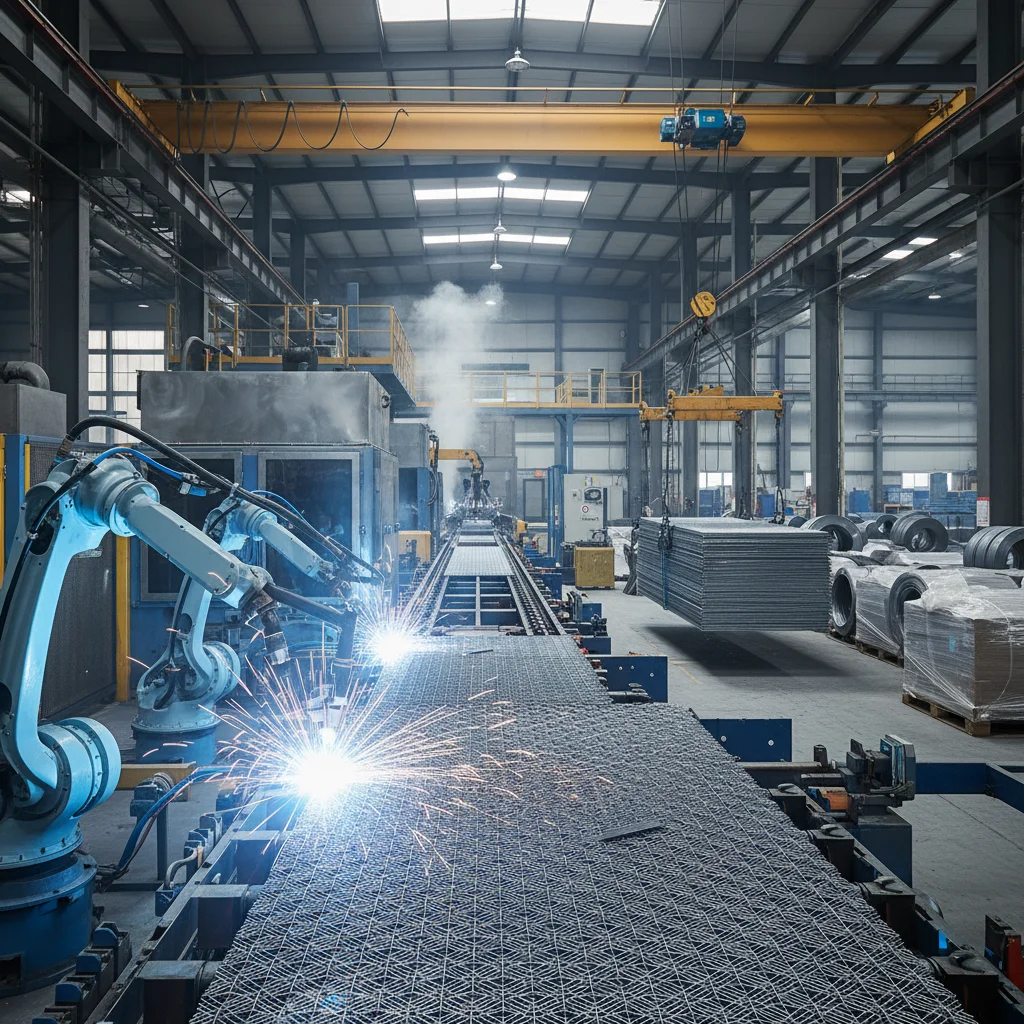
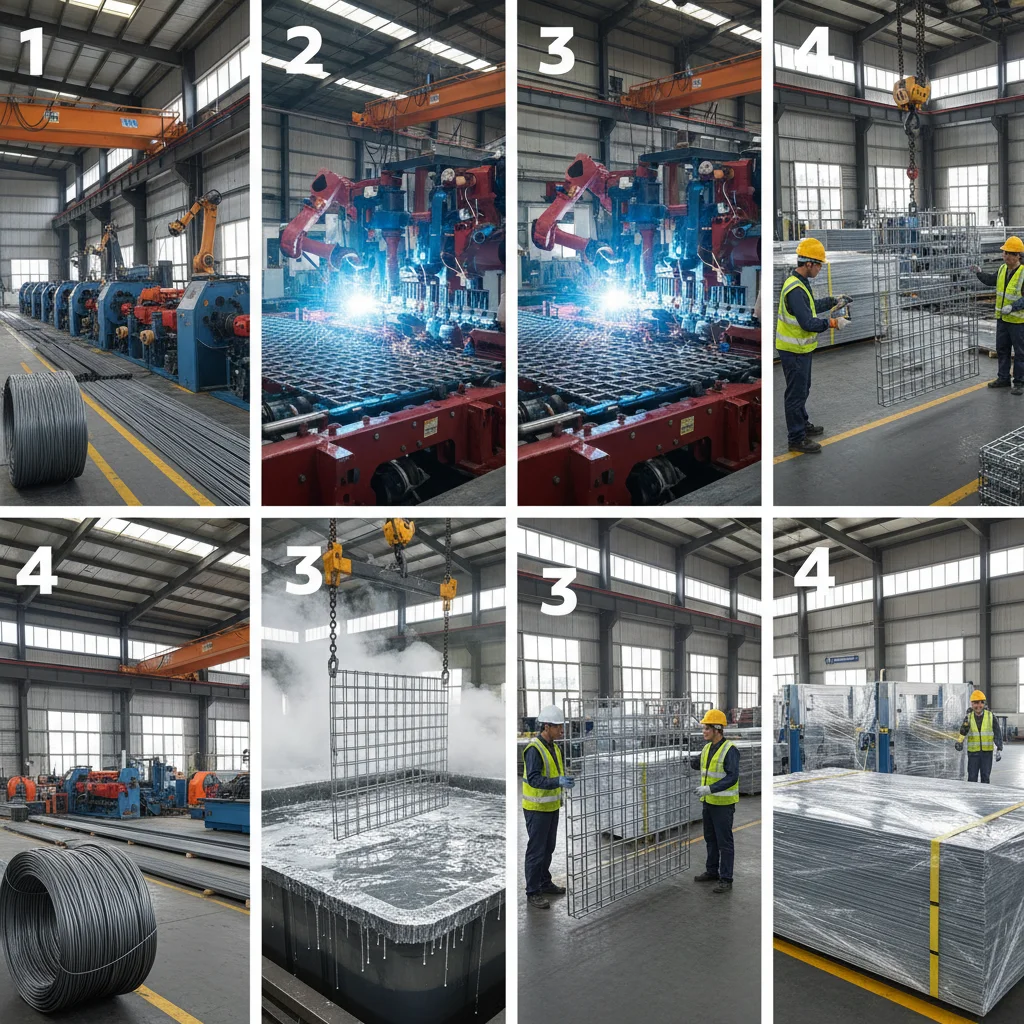
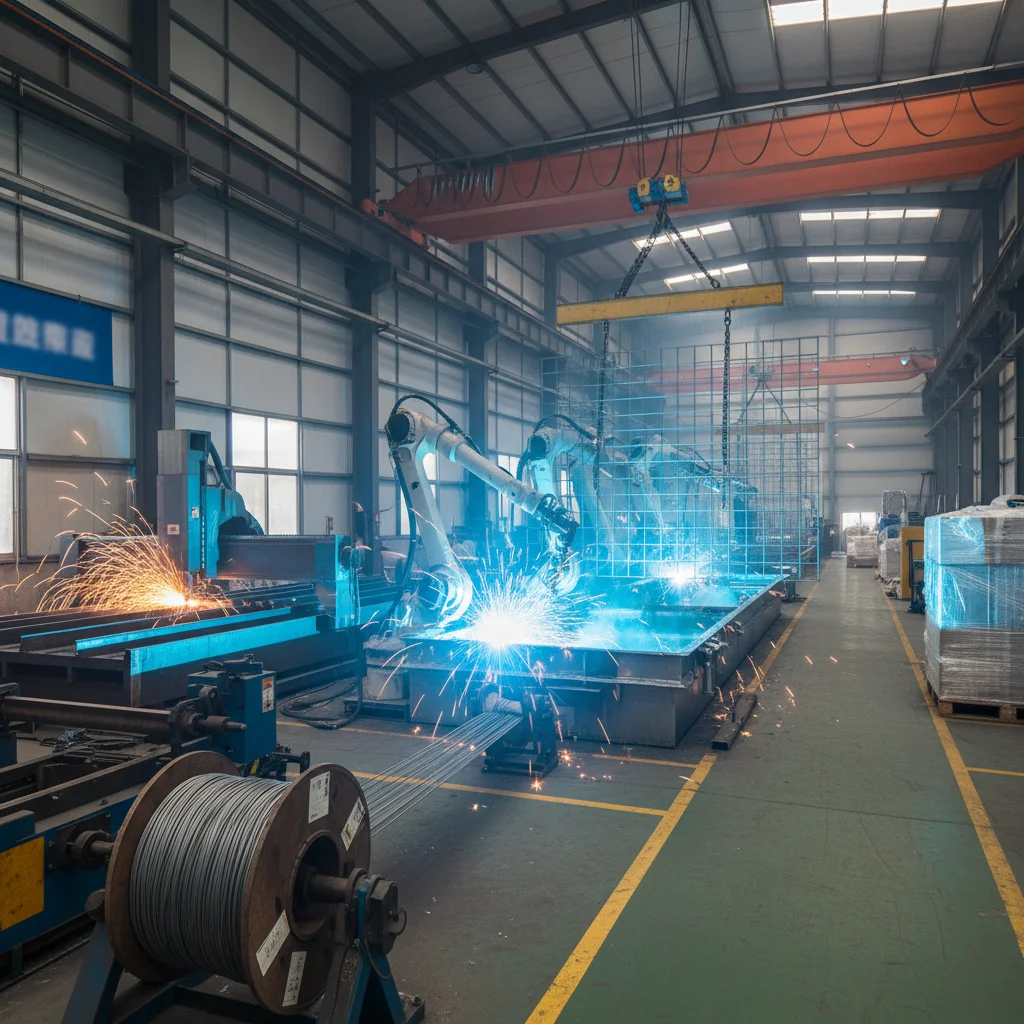
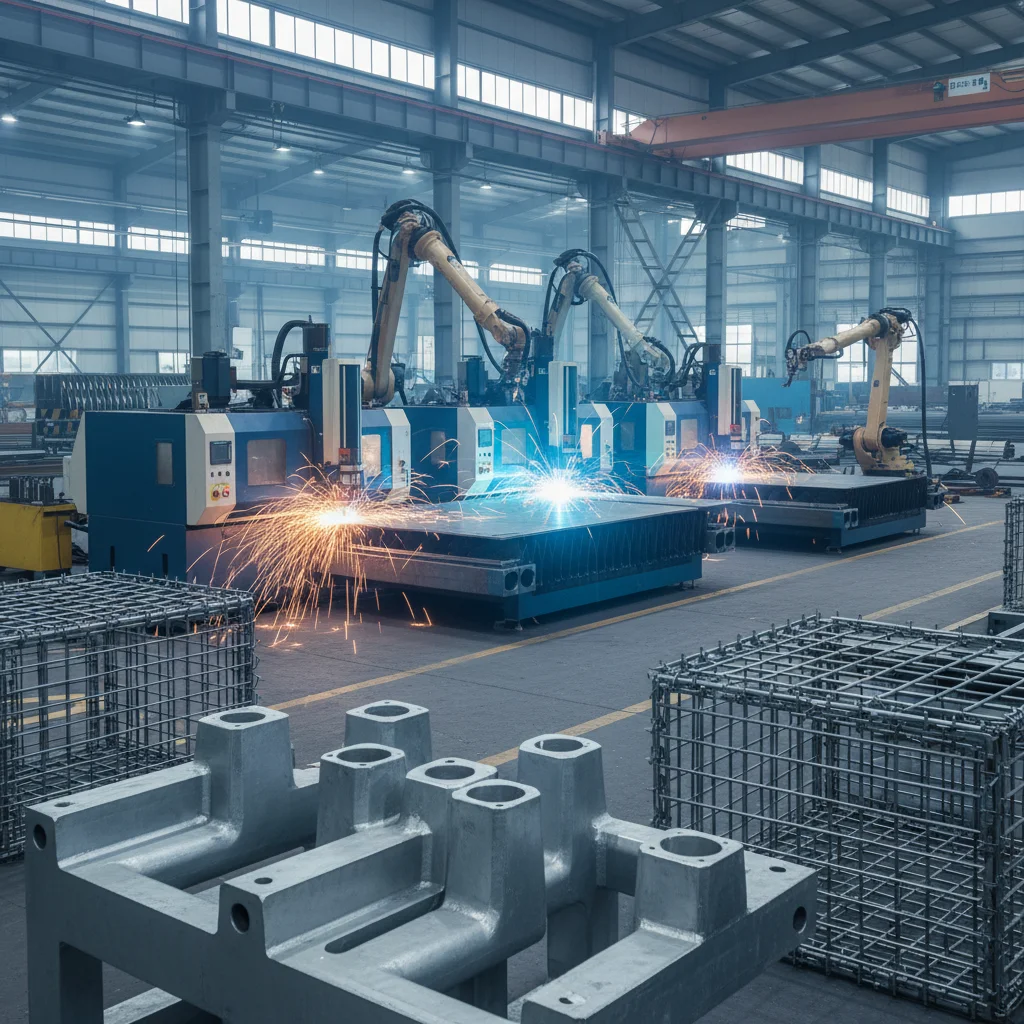
Pipeline reinforced mesh plays a vital role in strengthening modern infrastructure by providing a dependable layer of support and protection for pipeline systems. Engineered from high-tensile steel wires and formed into a uniform grid structure, this material is specifically designed to improve load distribution, resist external forces, and extend the service life of pipelines in demanding environments.
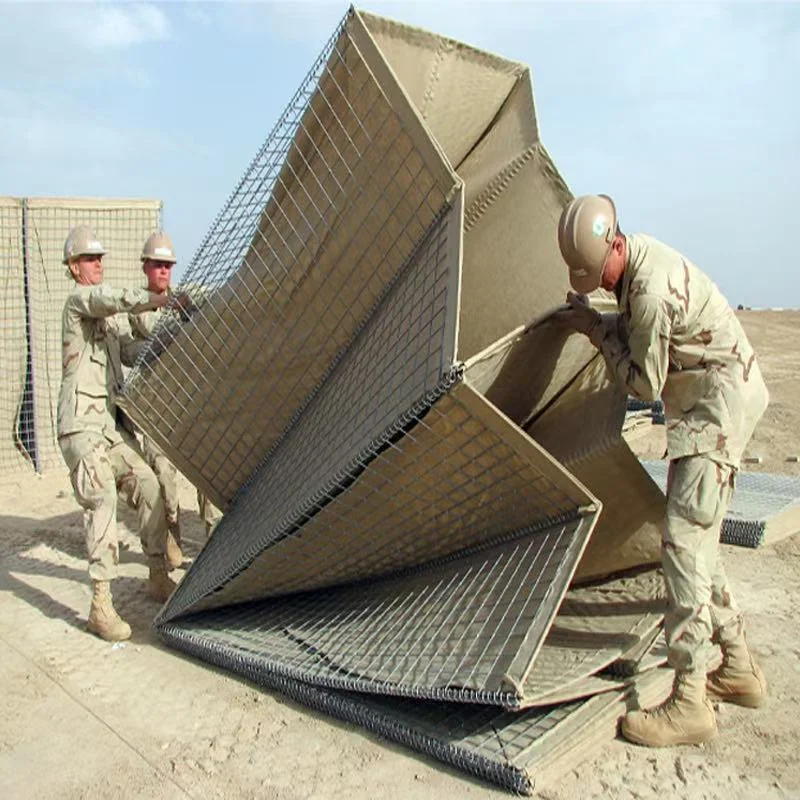
In this video, we explore how pipeline reinforced mesh contributes to both strength and durability across a wide range of infrastructure projects, including water supply networks, oil and gas pipelines, drainage systems, and urban construction. One of its primary functions is to reinforce the surrounding structure in which pipelines are installed. Whether embedded in concrete or placed within soil backfill, the mesh creates a stable framework that minimizes deformation and prevents structural failure under pressure.
A key advantage of pipeline reinforced mesh is its ability to evenly distribute loads. Infrastructure systems are constantly subjected to dynamic forces such as soil movement, traffic loads, thermal expansion, and ground vibrations. Without proper reinforcement, these forces can create stress concentrations that lead to cracks, misalignment, or even pipeline rupture. The mesh acts as a stress-diffusion layer, reducing localized pressure and ensuring that the entire structure works as a cohesive unit.
Durability is further enhanced through the material’s resistance to corrosion and environmental degradation. Pipeline reinforced mesh is often treated with galvanization or protective coatings, allowing it to withstand moisture, chemicals, and varying temperatures over long periods. This makes it particularly suitable for underground and coastal installations, where exposure conditions can be especially harsh.
Another important factor is crack control in concrete applications. When used in reinforced concrete encasements, the mesh significantly improves tensile strength and limits the formation and propagation of cracks. This is crucial for maintaining the integrity of both the pipeline and the surrounding structure, especially in high-load or high-traffic areas.
Additionally, pipeline reinforced mesh contributes to long-term cost efficiency. By enhancing structural performance and reducing the likelihood of damage, it minimizes maintenance requirements and extends the operational lifespan of infrastructure systems. This not only lowers repair costs but also ensures consistent and reliable service over time.
Overall, pipeline reinforced mesh is a critical component in building resilient infrastructure. Its ability to improve strength, enhance durability, and adapt to various engineering challenges makes it an essential solution for modern pipeline projects. This video highlights its practical benefits and demonstrates why it continues to be a preferred choice for engineers seeking long-lasting and high-performance results.