
Reliable Welded Mesh Panels Factory for Industrial Projects
Finding the Right Welded Mesh Panels Factory for Your Project
Selecting a reliable welded mesh panels factory is the cornerstone of ensuring structural integrity and long-term durability for any industrial or commercial project. Whether you are securing a perimeter, reinforcing concrete, or designing complex filtration systems, the quality of the mesh determines the safety and longevity of the installation. In an era of fluctuating material costs and varying manufacturing standards, partnering with a professional manufacturer ensures that you receive products that meet international certifications and precise technical specifications. This guide will walk you through the essential considerations when sourcing high-quality welded mesh.
Advanced Manufacturing Processes in a Welded Mesh Panels Factory
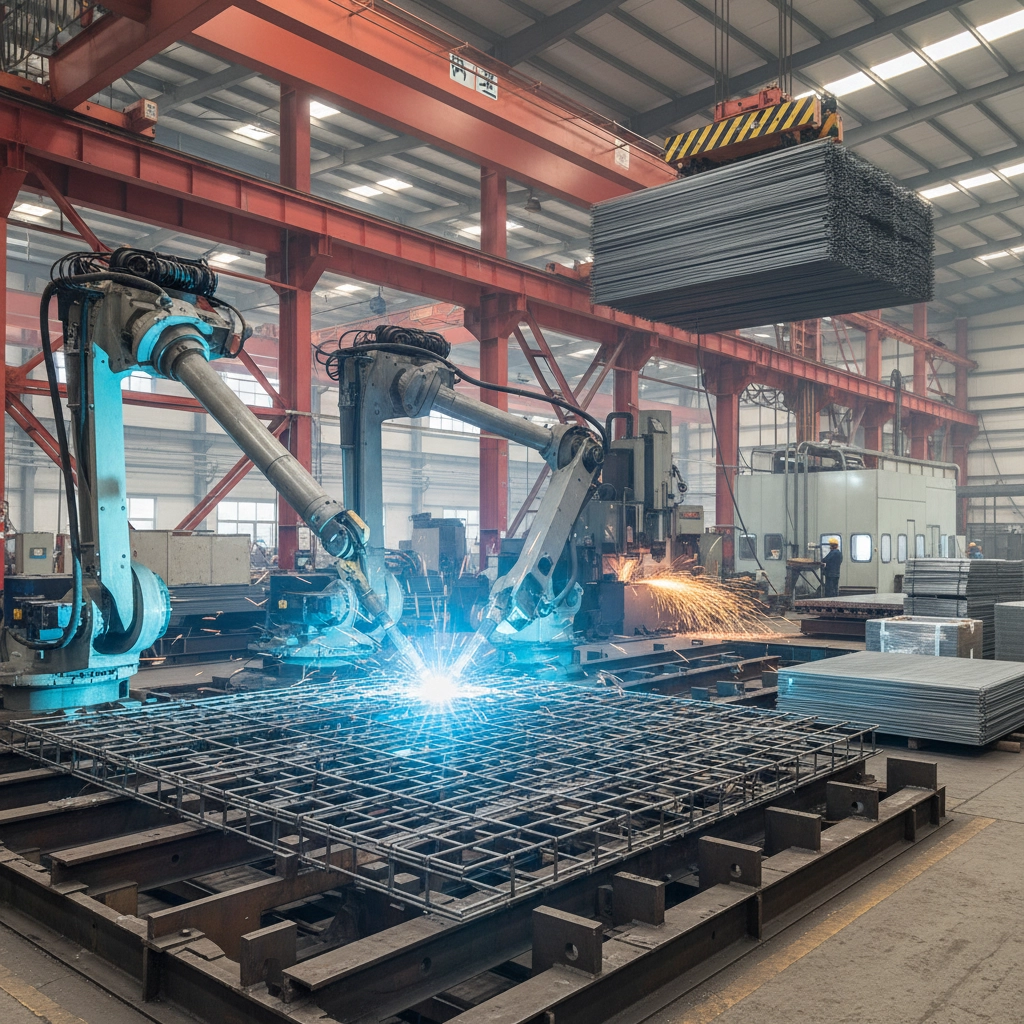
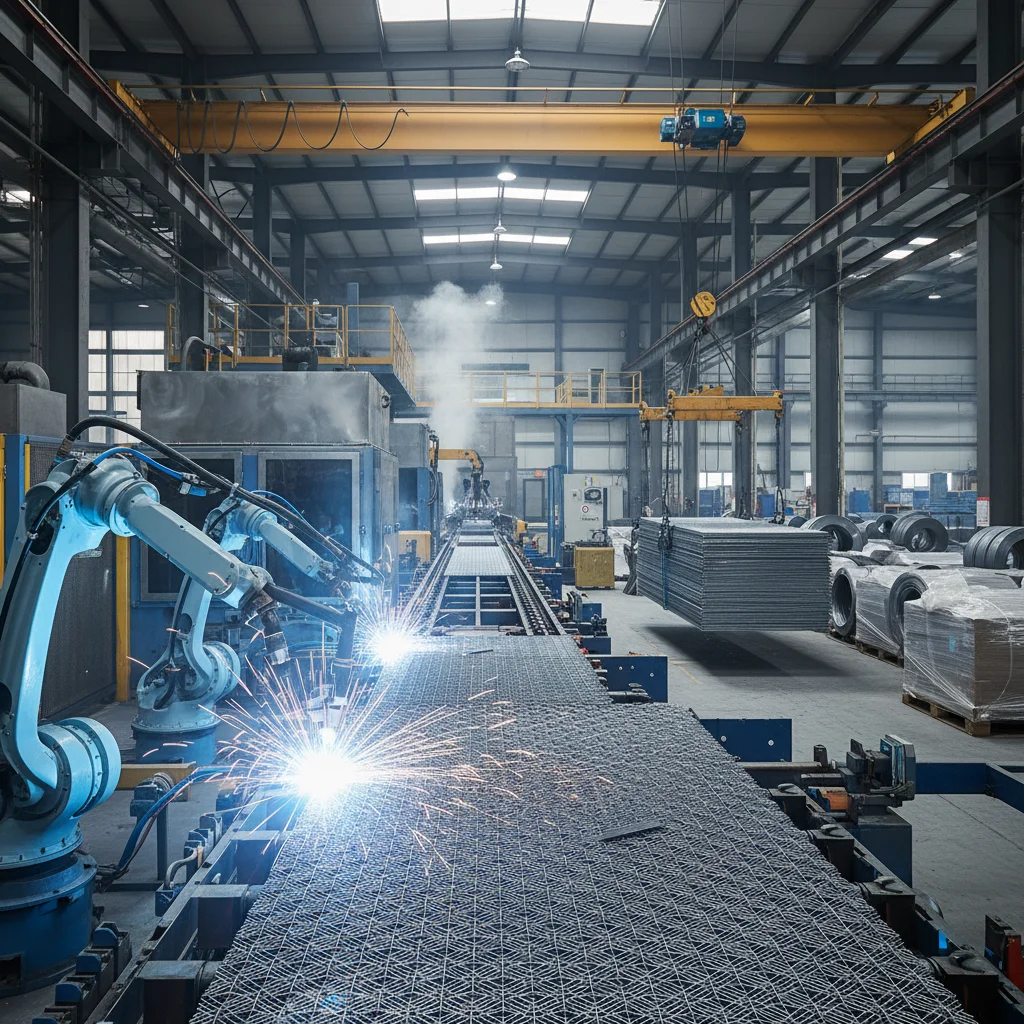
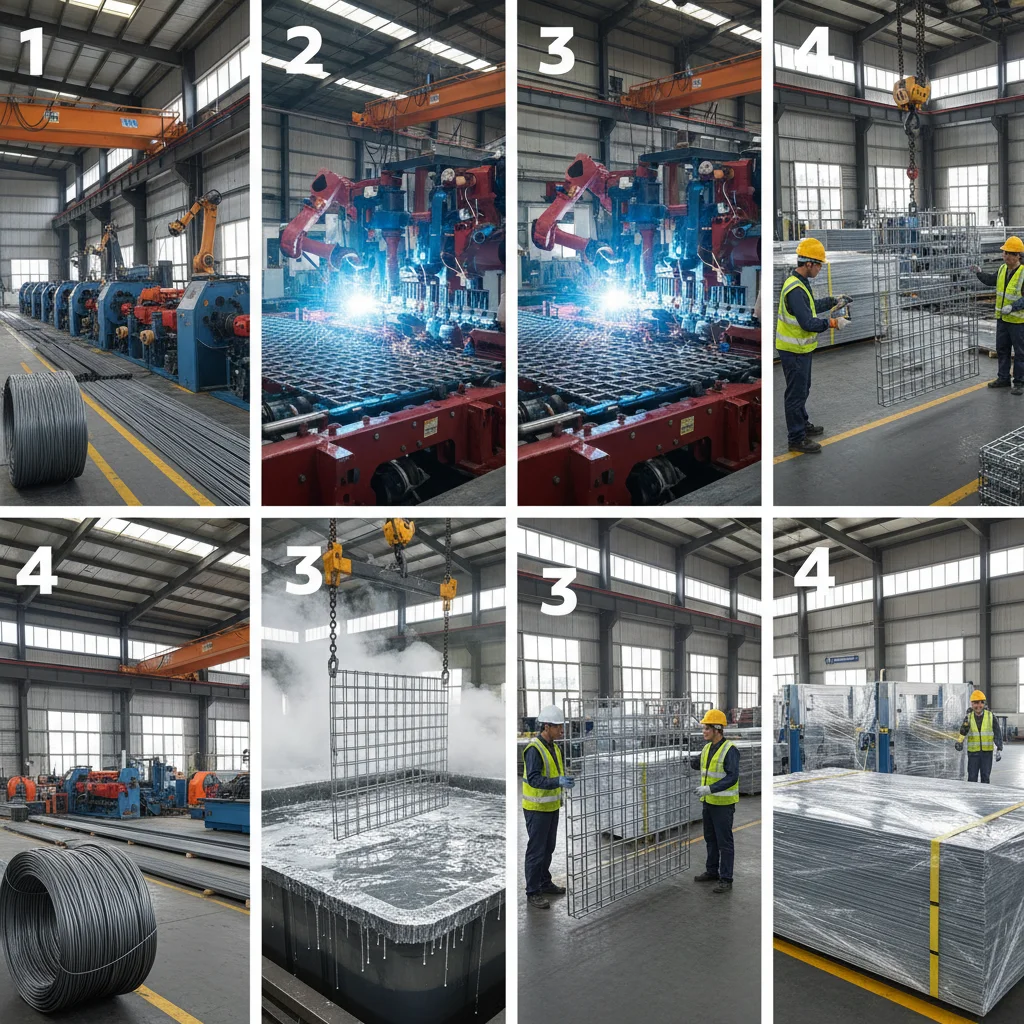
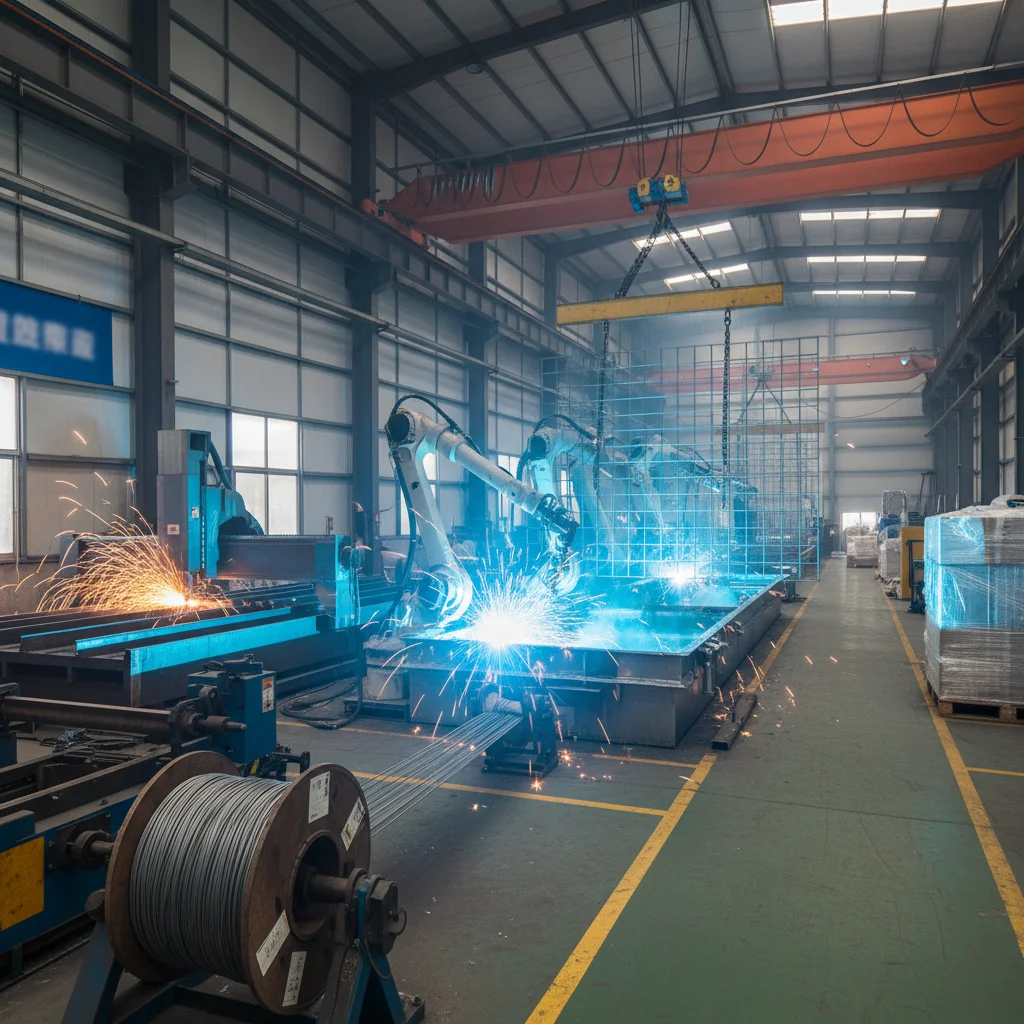
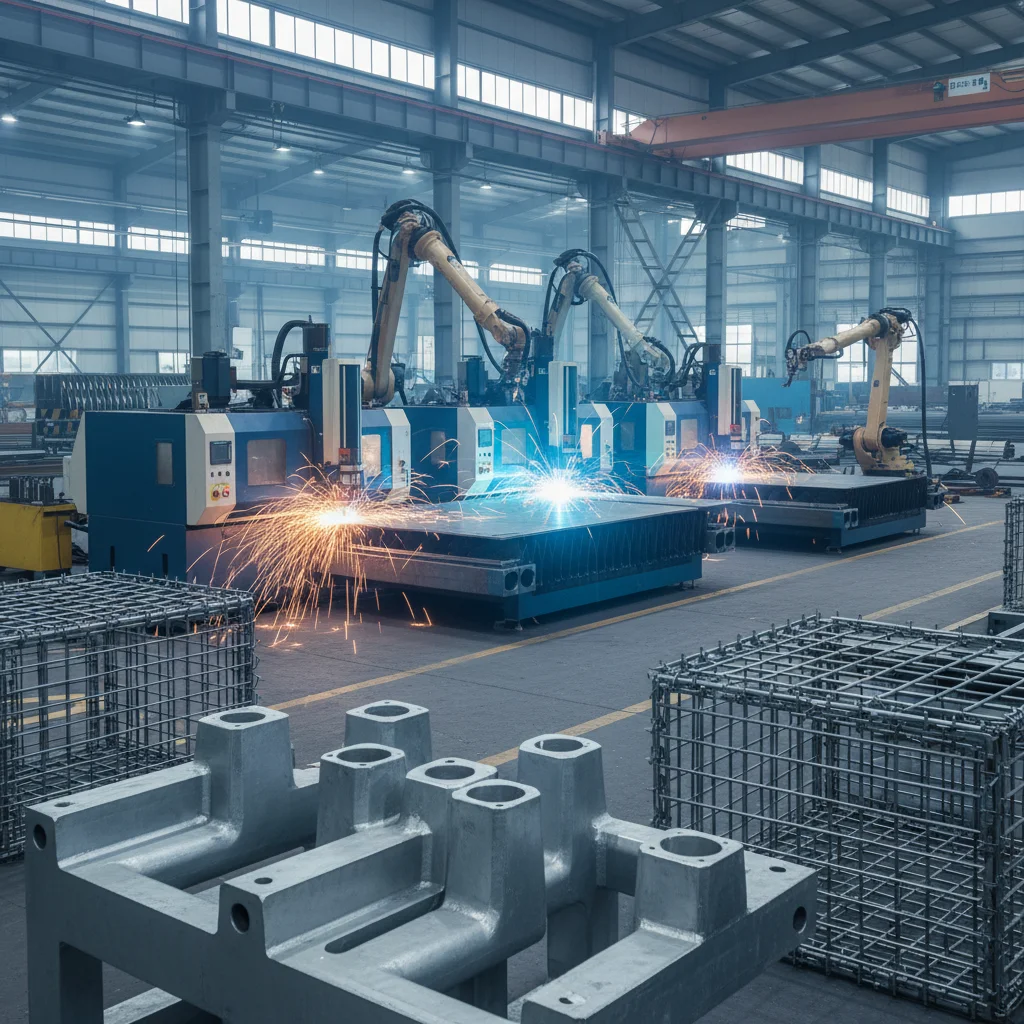
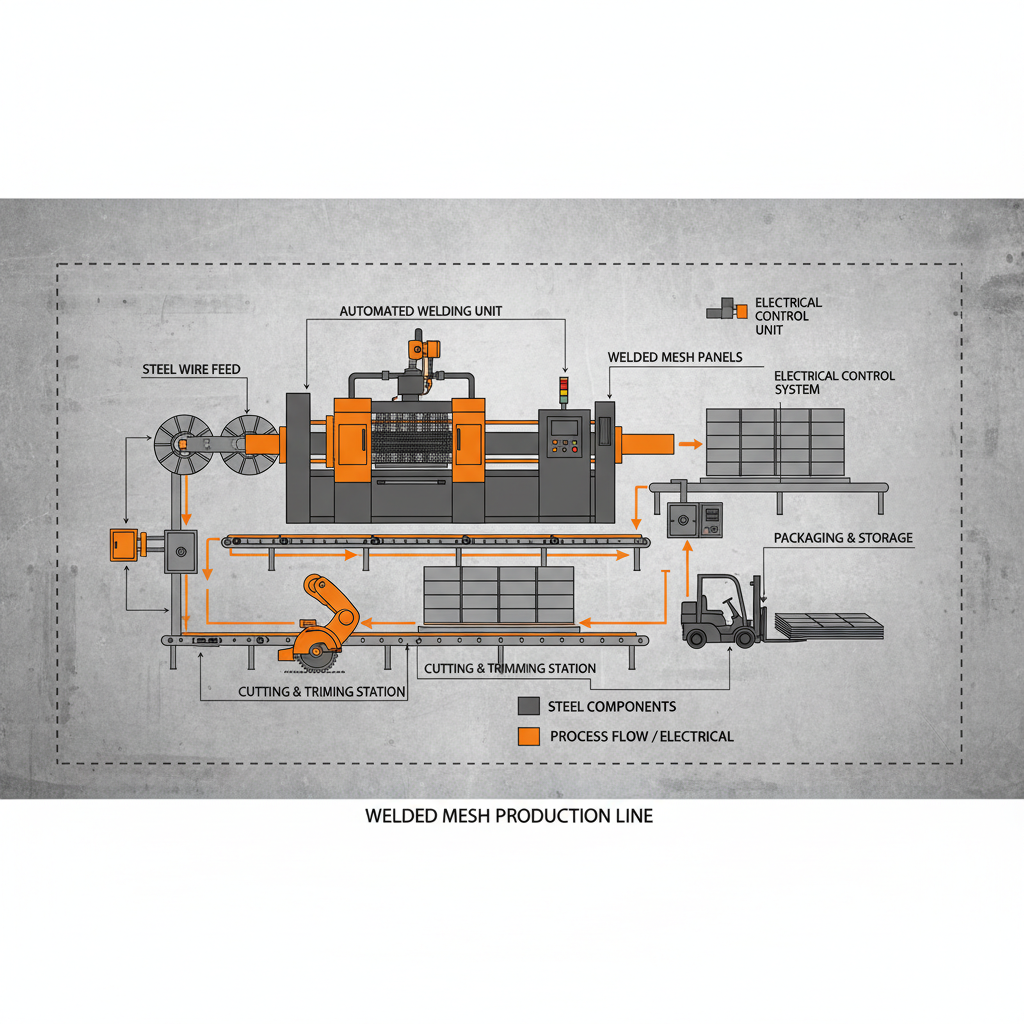
A top-tier welded mesh panels factory utilizes automated resistance welding technology to ensure that every intersection is fused with maximum strength. Unlike woven wire, welded mesh is created by pressing longitudinal and transverse wires together and applying heat and pressure. This process eliminates shifting and ensures a rigid, stable grid. Modern factories now implement CNC cutting and precision bending, allowing for customized panel sizes that fit specific architectural needs without the need for extensive on-site modification, thereby reducing labor costs and installation time.
Industry Insight: Automated welding not only increases production speed but also guarantees a consistent weld point, which is critical for load-bearing applications where a single failed joint could compromise the entire structure.
Material Selection and Coating Options
The longevity of welded mesh depends heavily on the material choice and the protective coating applied. Most professional factories offer a variety of options ranging from carbon steel to stainless steel. For environments exposed to high humidity or saline air, hot-dip galvanizing is the gold standard, providing a thick zinc layer that prevents oxidation. Alternatively, PVC coating is often used for aesthetic purposes or added chemical resistance. Understanding these materials helps buyers make informed decisions based on the specific environmental stressors their project will face.
Common Material Benefits:
• Galvanized Steel: Superior rust prevention for outdoor use.
• Stainless Steel: Maximum corrosion resistance and high temperature stability.
• PVC Coated: Enhanced visibility, color customization, and chemical protection.
Technical Specifications for Welded Mesh Panels
When requesting a quote from a welded mesh panels factory, providing precise technical specifications is vital to avoid procurement errors. The key parameters include wire diameter, aperture size (the gap between wires), and the overall panel dimensions. A slight variation in wire gauge can lead to a significant difference in the panel's load-bearing capacity. Below is a standard specification table used for industrial grade mesh selection.
Comparing Welded Mesh vs. Woven Wire Mesh
Many clients struggle to choose between welded and woven options. The primary difference lies in the construction: woven wire is interlaced, whereas products from a welded mesh panels factory are fused. This makes welded mesh significantly more rigid and resistant to deformation. While woven mesh offers more flexibility and is often better for very fine filtering, welded mesh is the undisputed choice for security, support, and structural reinforcement where the geometry of the grid must remain constant under pressure.
Quality Control Standards in Mesh Production
To ensure the reliability of the end product, a professional factory must adhere to strict quality control (QC) protocols. This includes raw material inspection to verify the tensile strength of the wire and weld-point testing to ensure the joints do not snap under designed loads. Coating thickness is typically measured using magnetic gauges to ensure the galvanization meets ASTM or ISO standards. By prioritizing QC, a manufacturer reduces the risk of premature corrosion and structural failure, providing peace of mind for large-scale infrastructure projects.
Global Logistics and Sourcing from a Factory
Sourcing directly from a welded mesh panels factory offers significant cost advantages by eliminating middlemen. However, the challenge lies in logistics. Professional exporters provide optimized packaging—such as reinforced wooden crates or steel strapping—to prevent the panels from bending during sea freight. Furthermore, having a factory that can provide comprehensive documentation (Mill Test Certificates, Certificates of Origin) simplifies the customs clearance process and ensures compliance with local building codes in the destination country.
Conclusion: Partnering with a Professional Mesh Manufacturer
Selecting the right welded mesh panels factory is about more than just finding the lowest price; it is about finding a partner who understands the technical demands of your project. From the precision of the weld to the quality of the galvanization, every detail contributes to the safety and durability of your structure. By focusing on material specifications, manufacturing standards, and reliable logistics, you can ensure that your investment stands the test of time and environment.
Frequently Asked Questions (FAQs)
How do I choose the correct wire gauge for my mesh panels?
Choosing the correct wire gauge depends primarily on the load the panel must support and the level of security required. For simple partitioning or animal enclosures, a lighter gauge (2-3mm) is usually sufficient. However, for structural reinforcement in concrete or high-security perimeter fencing, a heavier gauge (6mm and above) is necessary to prevent sagging and resist forced entry. We recommend consulting with a structural engineer or a technical expert from the factory to calculate the required tensile strength based on your specific application.
What is the difference between hot-dip galvanizing and electro-galvanizing?
Hot-dip galvanizing involves immersing the finished mesh panel in a bath of molten zinc, creating a thick, durable layer that provides superior long-term corrosion protection, especially for outdoor environments. Electro-galvanizing uses an electrical current to apply a thinner layer of zinc; while it provides a smoother, more aesthetically pleasing finish, it is significantly less resistant to rust and is generally reserved for indoor use. For any project exposed to the elements, hot-dip galvanizing is the strongly recommended choice.
Can I order custom sizes and shapes from a welded mesh factory?
Yes, most professional factories offer comprehensive customization services. This includes specifying the exact height and width of the panels, adjusting the aperture size to meet filtration or security needs, and even creating custom shapes or curved panels for unique architectural designs. To ensure accuracy, it is best to provide a detailed technical drawing or CAD file. Customization allows you to minimize waste on-site and ensures a seamless fit for your specific project requirements.
How is the quality of the weld points tested?
Quality control for weld points typically involves a combination of visual inspection and mechanical stress tests. Factories use "shear tests" where a specific amount of force is applied to the joint to ensure it does not break before reaching the rated load. Additionally, the welding parameters (current, time, and pressure) are digitally monitored to maintain consistency across the entire production run. For high-specification projects, factories can provide a quality certification report confirming that the weld strength meets the required industrial standards.