
Pipeline Reinforcement Wire Mesh: The Backbone of Modern Construction Strength
From residential buildings to large-scale industrial projects, the demand for high-quality wire fabric and wire reinforcement continues to grow. With innovations such as welded wire galvanized products and heavy duty welded wire panels, builders now have access to materials that combine performance with long-term corrosion resistance.
Understanding Reinforcement Wire Mesh and Its Key Benefits
What is Reinforcement Wire Mesh?
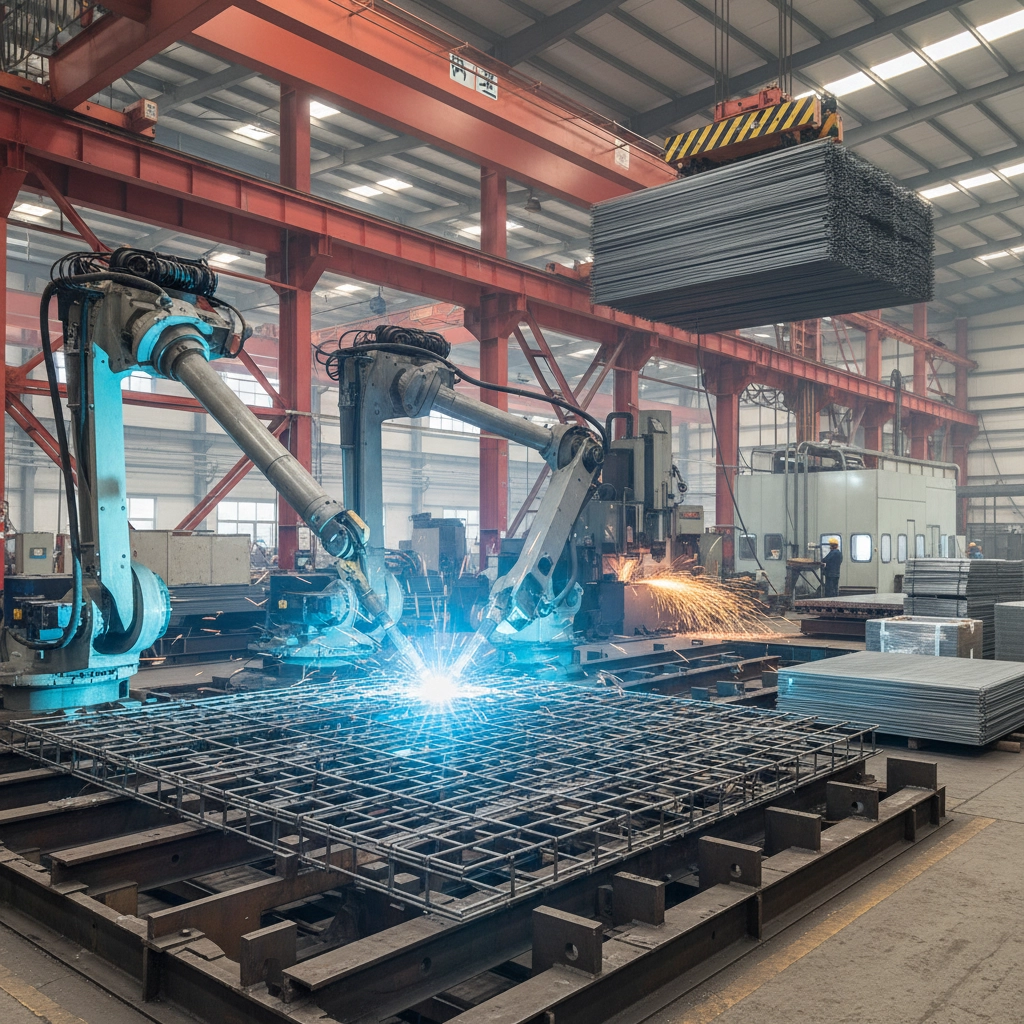
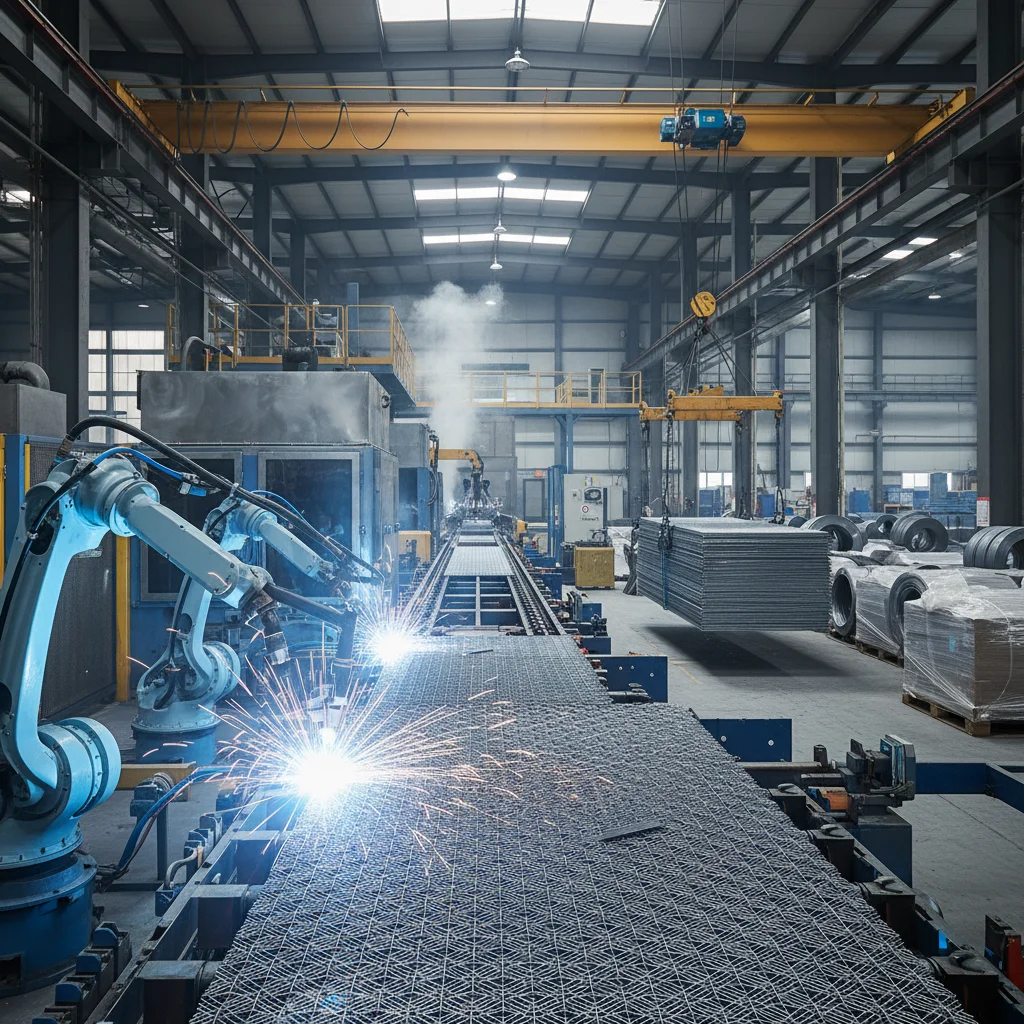
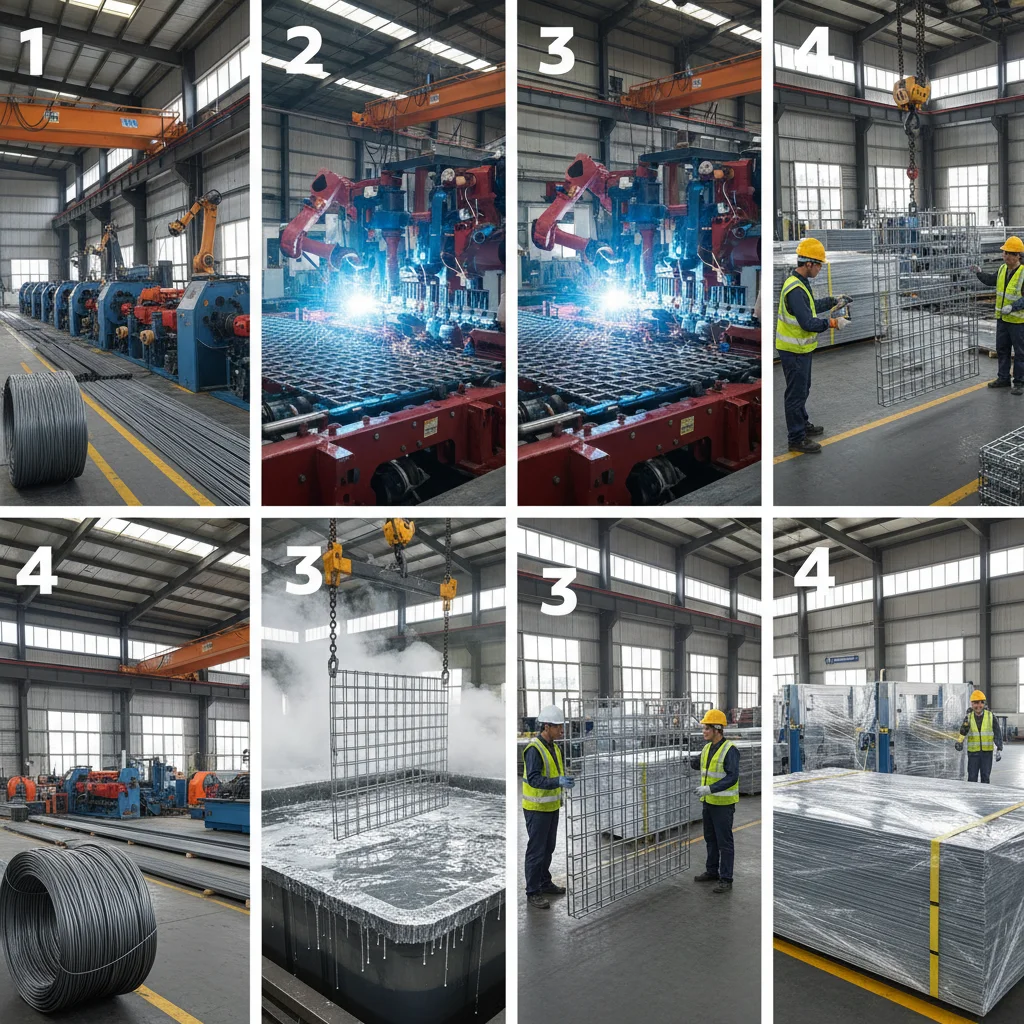
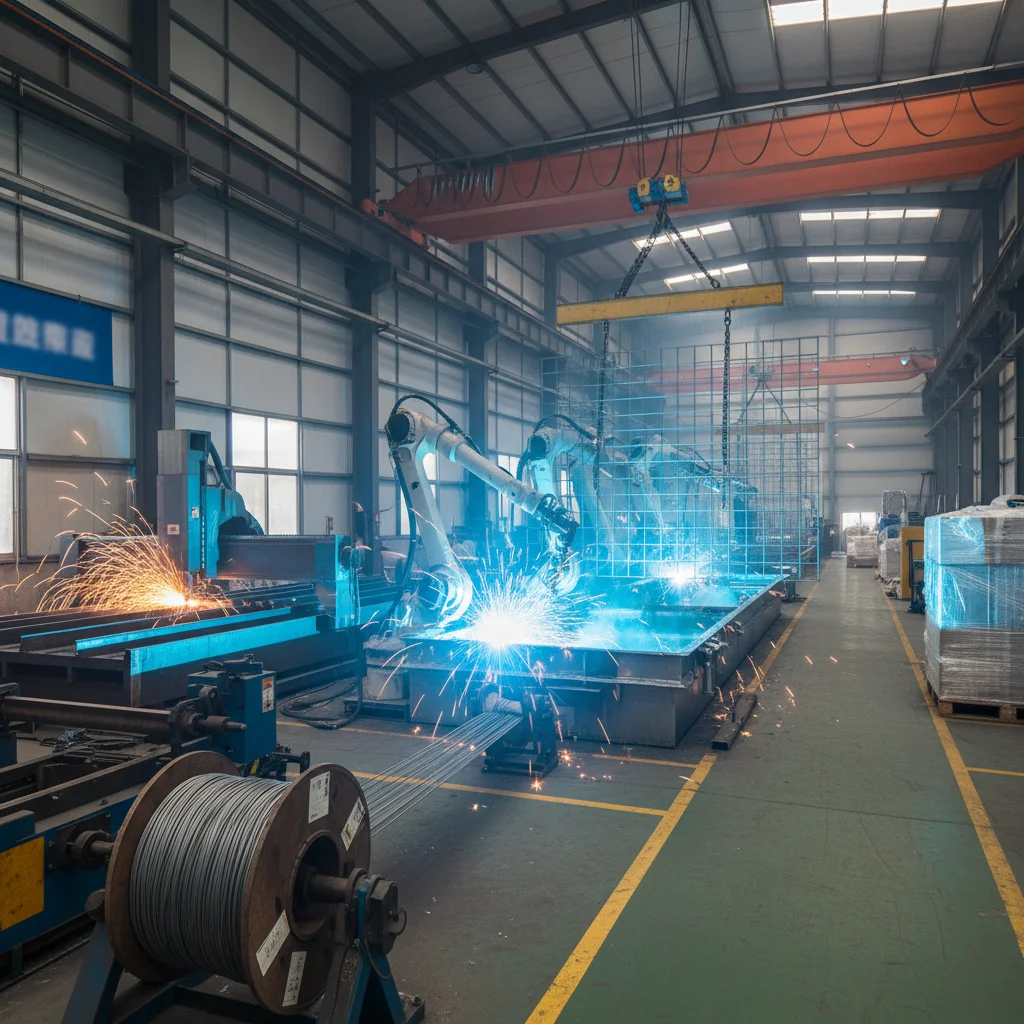
Reinforcement wire mesh is a grid-like structure made from intersecting steel wires that are welded together at their junctions. This mesh is embedded within concrete to improve its tensile strength, reduce cracking, and enhance load-bearing capacity.
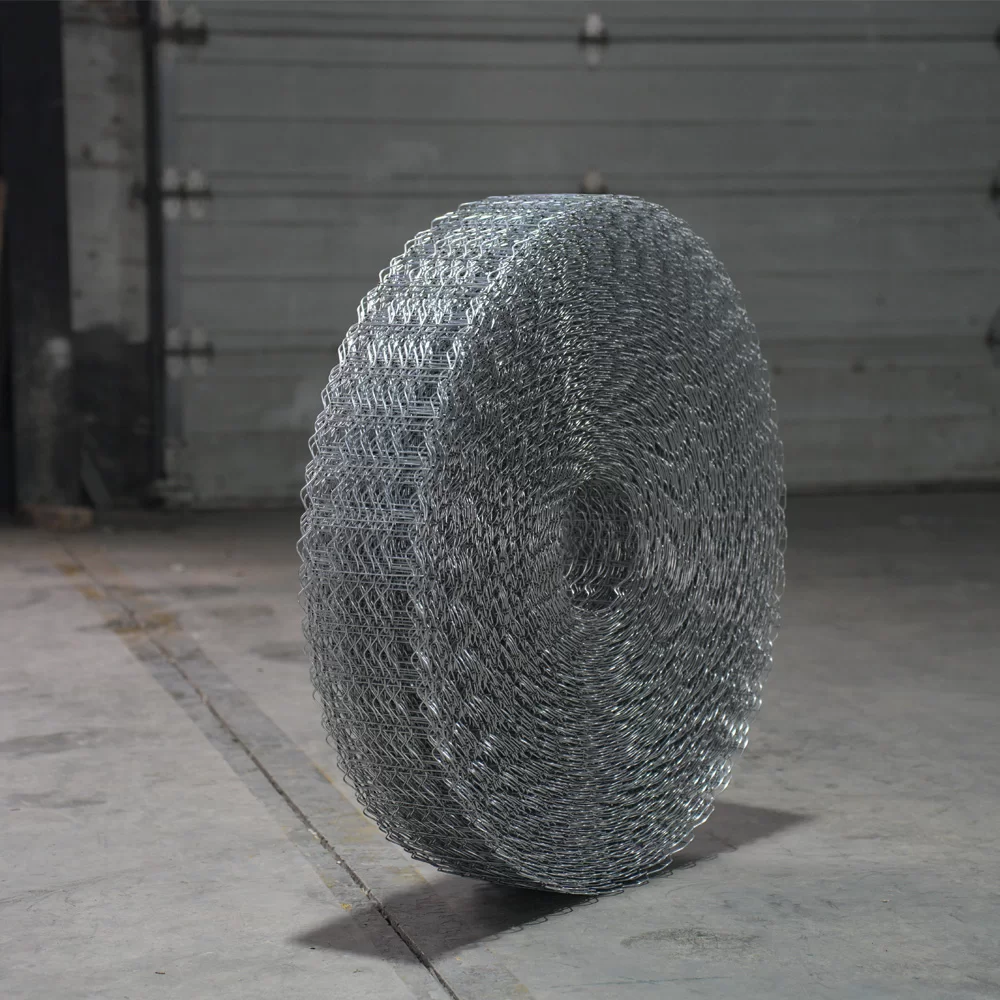
Often referred to as wire fabric, it is manufactured in sheets or rolls and comes in various sizes and wire diameters to suit different applications. The consistent spacing and uniform strength make it a preferred choice over traditional rebar in many projects.
Types of Wire Reinforcement Products
There are several types of wire reinforcement products available, each designed for specific construction needs:
1. Welded wire galvanized mesh: Coated with zinc to prevent rust and corrosion, making it ideal for outdoor or humid environments.
2. Galv wire mesh panels: Pre-fabricated panels that are easy to install and widely used in fencing and structural reinforcement.
3. Galvanised welded wire panel: Combines strength and corrosion resistance, suitable for both structural and protective applications.
4. Heavy duty welded wire panels: Designed for high-load applications such as industrial flooring, bridges, and heavy infrastructure.
These variations allow engineers and contractors to choose the most suitable solution based on environmental conditions and structural requirements.
Key Benefits of Using Wire Mesh
1. Improved Structural Strength
Concrete is strong in compression but weak in tension. Wire reinforcement compensates for this weakness, ensuring overall structural stability.
2. Crack Control
By distributing stress evenly, reinforcement wire mesh minimizes shrinkage cracks and improves durability.
3. Cost Efficiency
Compared to traditional reinforcement methods, wire fabric reduces labor costs and installation time.
4. Ease of Installation
Pre-fabricated galvanised welded wire panel products are quick to install, improving construction efficiency.
5. Corrosion Resistance
Products like welded wire galvanized mesh provide long-term protection against rust, especially in outdoor environments.
Applications and Selection of Wire Mesh in Construction
Common Applications
The versatility of reinforcement wire mesh makes it suitable for a wide range of applications:
1. Concrete slabs and floors
Used in residential and commercial flooring to enhance strength and prevent cracking.
2. Roads and pavements
Heavy duty welded wire panels are commonly used in highways and industrial pavements where high load capacity is required.
3. Walls and columns
Reinforces structural elements to improve load distribution and resistance to stress.
4. Fencing and security
Galv wire mesh panels and galvanised welded wire panel products are widely used for perimeter fencing due to their durability and strength.
5. Precast concrete products
Used in pipes, panels, and other precast elements for added reinforcement.
How to Choose the Right Wire Mesh
Selecting the right wire reinforcement depends on several factors:
Load Requirements
For heavy-duty applications, opt for heavy duty welded wire panels with thicker wires and tighter spacing.
Environmental Conditions
In humid or outdoor environments, welded wire galvanized or galvanised welded wire panel options are ideal due to their corrosion resistance.
Mesh Size and Wire Diameter
Smaller mesh sizes provide better crack control, while larger diameters offer higher strength.
Project Type
Residential → Standard wire fabric
Industrial → Heavy duty welded wire panels
Fencing → Galv wire mesh panels
Advantages Over Traditional Reinforcement
Compared to traditional steel bars, reinforcement wire mesh offers several advantages:
Faster installation
Reduced material waste
Consistent quality
Lower labor costs
These benefits make it a preferred solution for modern construction projects aiming for efficiency and sustainability.
Reinforcement wire mesh has become an indispensable material in modern construction, offering unmatched strength, efficiency, and versatility. Whether you are working on residential flooring, industrial infrastructure, or fencing systems, the use of wire fabric and wire reinforcement ensures long-lasting performance.
With options like welded wire galvanized, galv wire mesh panels, and heavy duty welded wire panels, builders can select the perfect solution tailored to their project needs. By understanding the different types and applications, you can make informed decisions that enhance both structural integrity and cost-effectiveness.
FAQ About Reinforcement Wire Mesh
1. What is reinforcement wire mesh used for?
Reinforcement wire mesh is primarily used in concrete structures to improve tensile strength, reduce cracking, and enhance durability in applications like floors, walls, and pavements.
2. What are the advantages of welded wire galvanized mesh?
Welded wire galvanized mesh offers excellent corrosion resistance, making it ideal for outdoor and humid environments. It also provides strong bonding and long service life.
3. How do heavy duty welded wire panels differ from standard mesh?
Heavy duty welded wire panels are made with thicker wires and stronger welds, allowing them to handle higher loads and more demanding applications such as industrial flooring and highways.
4. Where are galv wire mesh panels commonly used?
Galv wire mesh panels are widely used in fencing, security enclosures, and agricultural applications due to their durability and resistance to rust.
5. How do I choose the right galvanised welded wire panel?
To select the right galvanised welded wire panel, consider factors such as load requirements, environmental conditions, mesh size, and wire thickness to ensure optimal performance for your project.