
Pipeline Mesh Innovations Enhance Safety and Durability in Subsea Pipelines
The oil and gas industry continuously seeks advanced solutions to improve the safety and durability of subsea pipelines. Pipeline reinforced mesh innovations have emerged as a critical technology to address the unique challenges associated with underwater energy transport. These innovations not only strengthen concrete-coated pipelines but also provide enhanced corrosion protection, stability, and operational reliability for subsea projects worldwide.
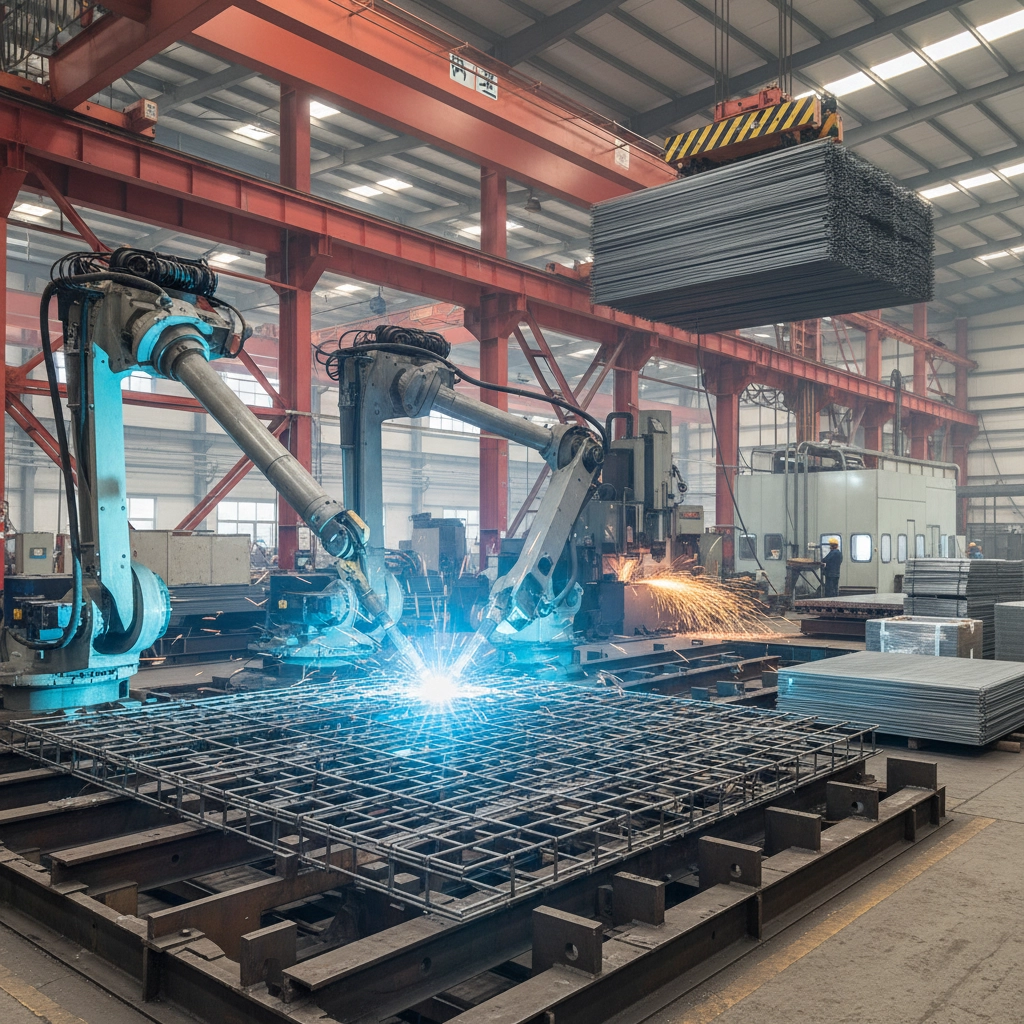
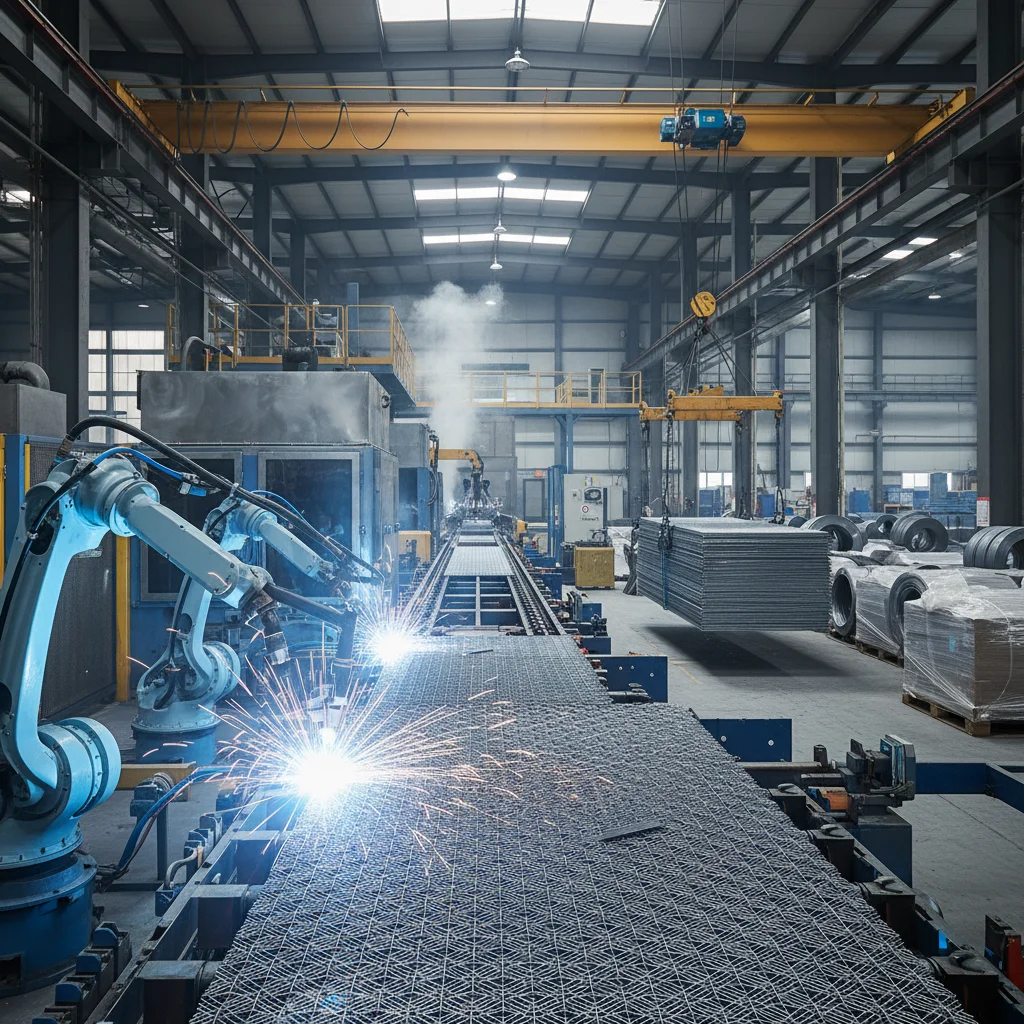
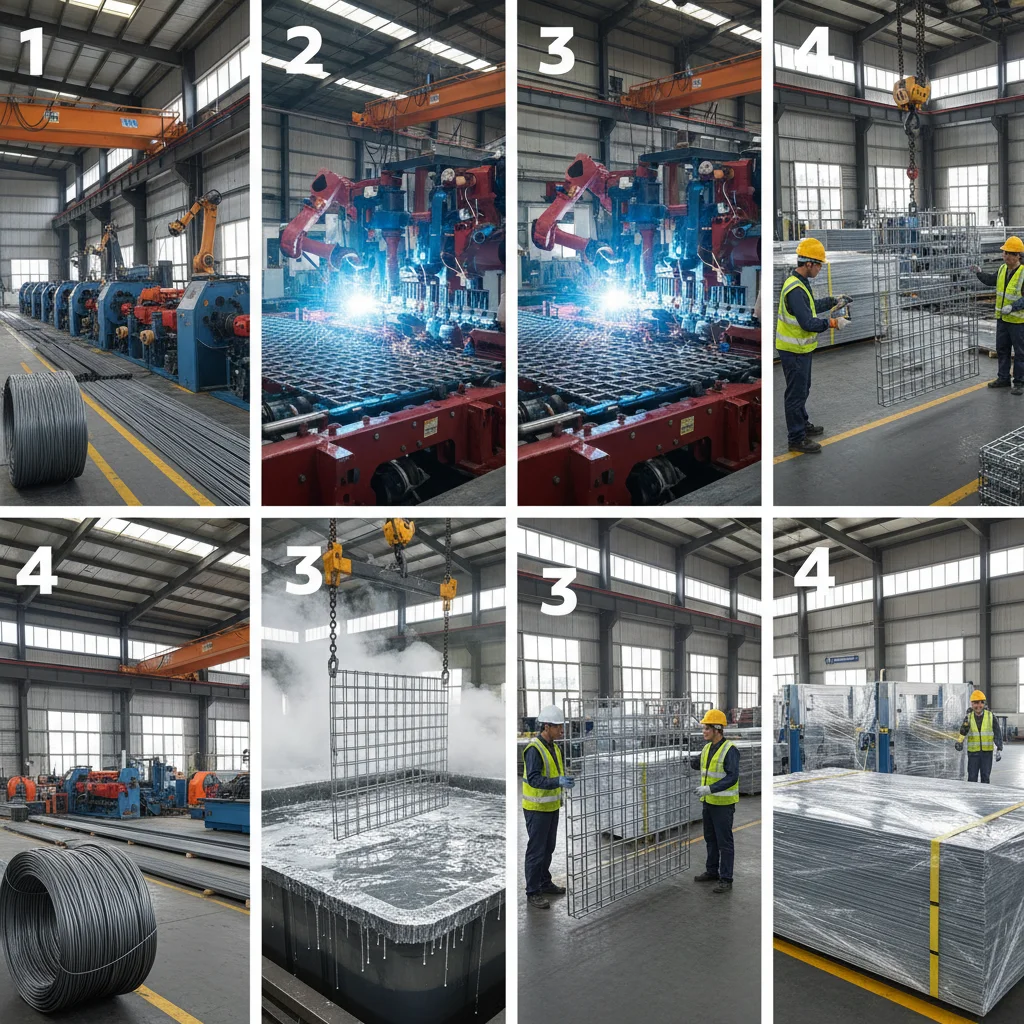
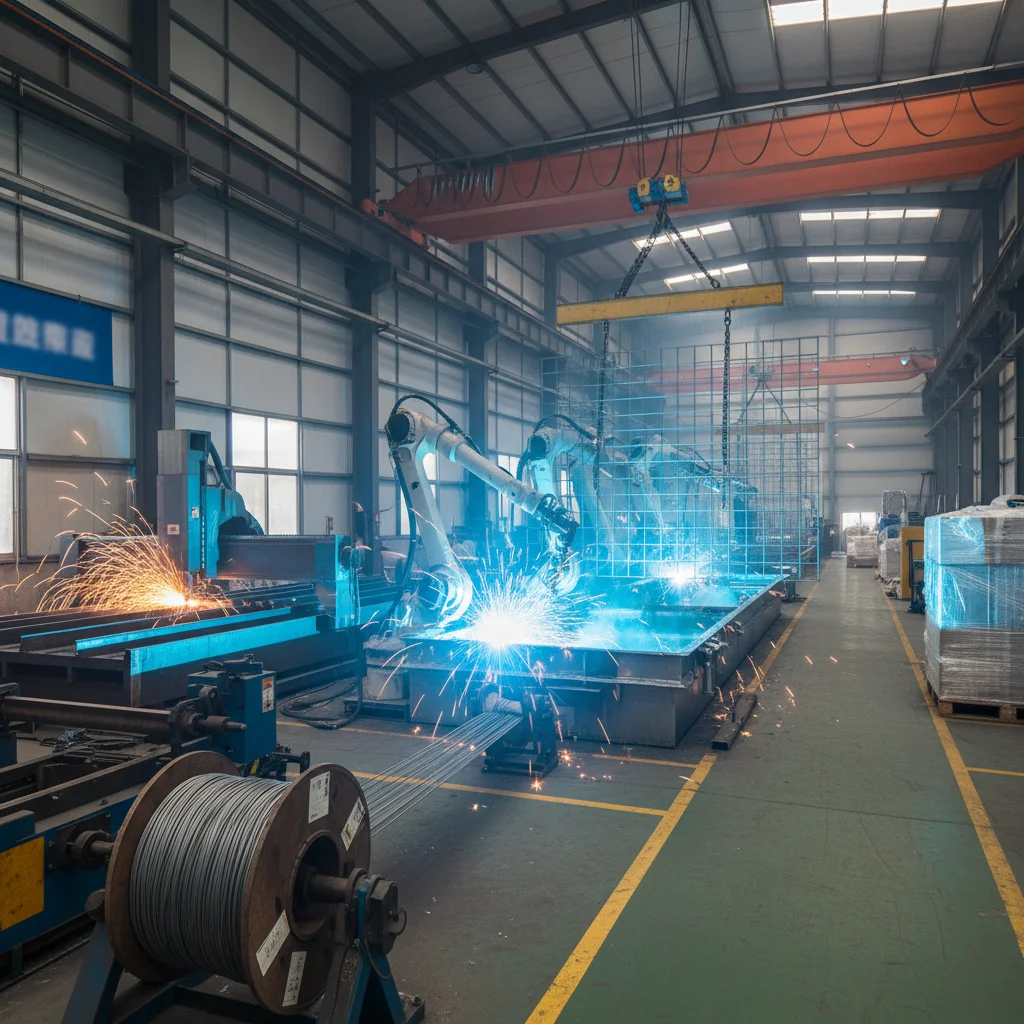
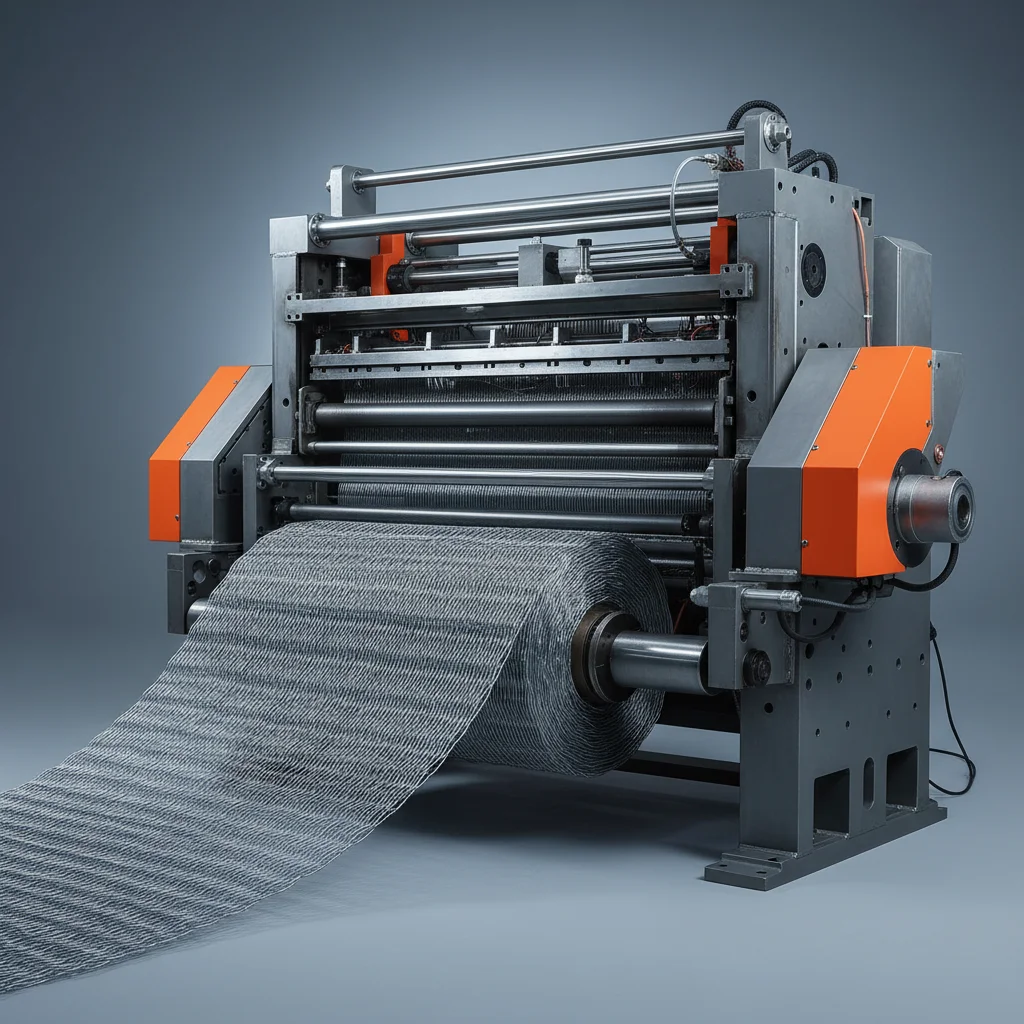
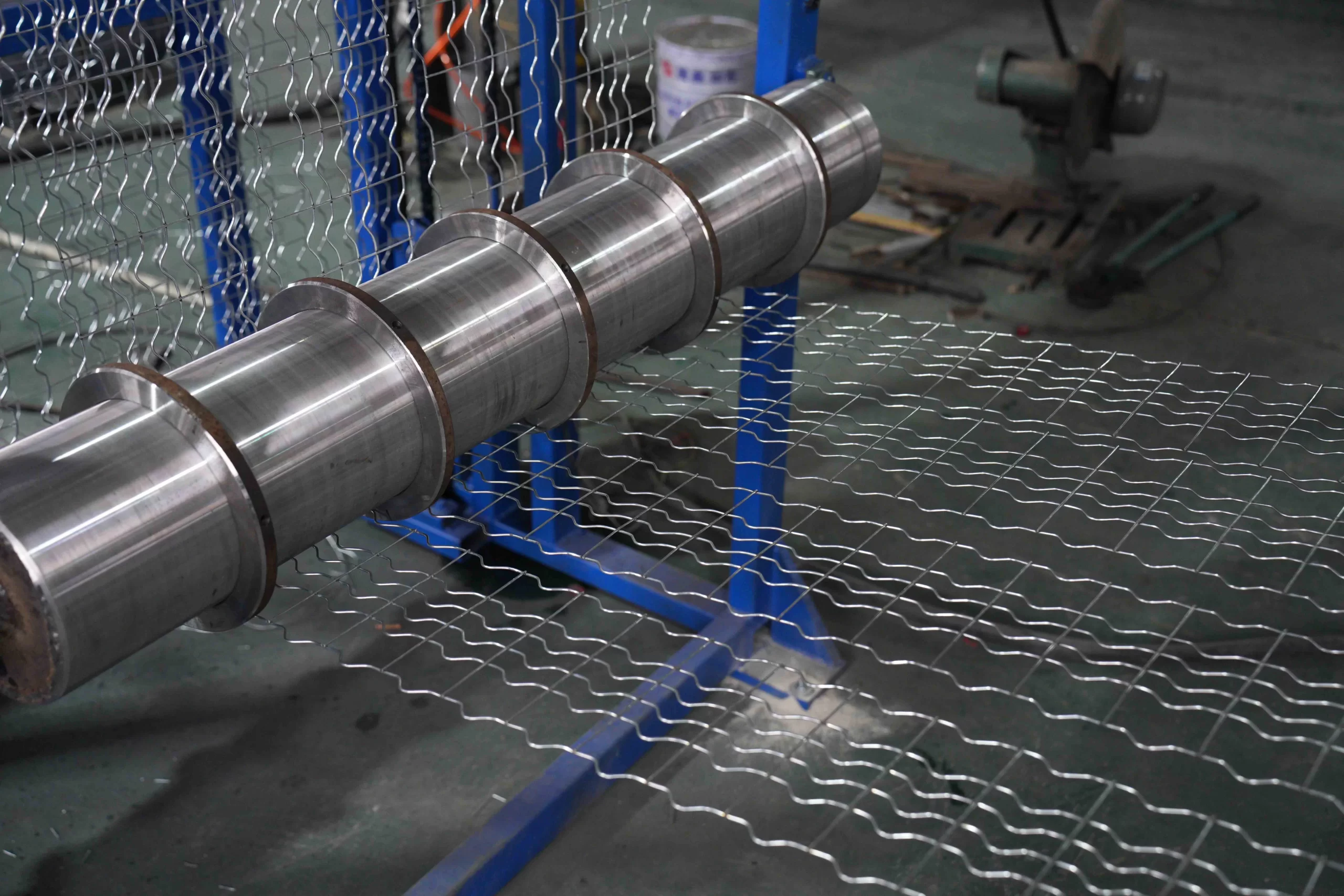
Subsea pipelines are exposed to harsh and dynamic environmental conditions. High water pressure, strong ocean currents, and the risk of mechanical damage during installation can compromise pipeline integrity. In response to these challenges, modern pipeline mesh designs have evolved to include high-quality galvanized steel wires and sophisticated welding techniques that create a wave-shaped structure, allowing the mesh to bond securely with the concrete coating surrounding the pipeline. This innovation ensures uniform reinforcement, reducing the risk of cracking, spalling, or concrete detachment during handling and installation.
A key focus of pipeline mesh innovation is corrosion resistance. Subsea pipelines are constantly exposed to saline water, which can accelerate steel degradation. Advanced galvanized pipeline mesh provides a protective layer that shields the steel from oxidation and rust. The combination of a reinforced mesh and concrete coating delivers dual protection, extending the operational life of subsea pipelines and reducing maintenance costs over time.
Another significant innovation is in mechanical performance and structural stability. Pipeline mesh now integrates precision-crimped and welded wires that distribute stress evenly across the concrete coating. This structural improvement allows subsea pipelines to withstand external pressures and dynamic environmental forces, such as tidal movement and seabed shifts, while maintaining the proper shape and weight of the pipeline. Stability is critical to prevent floating or displacement of pipelines, particularly for long-distance subsea energy transport systems.
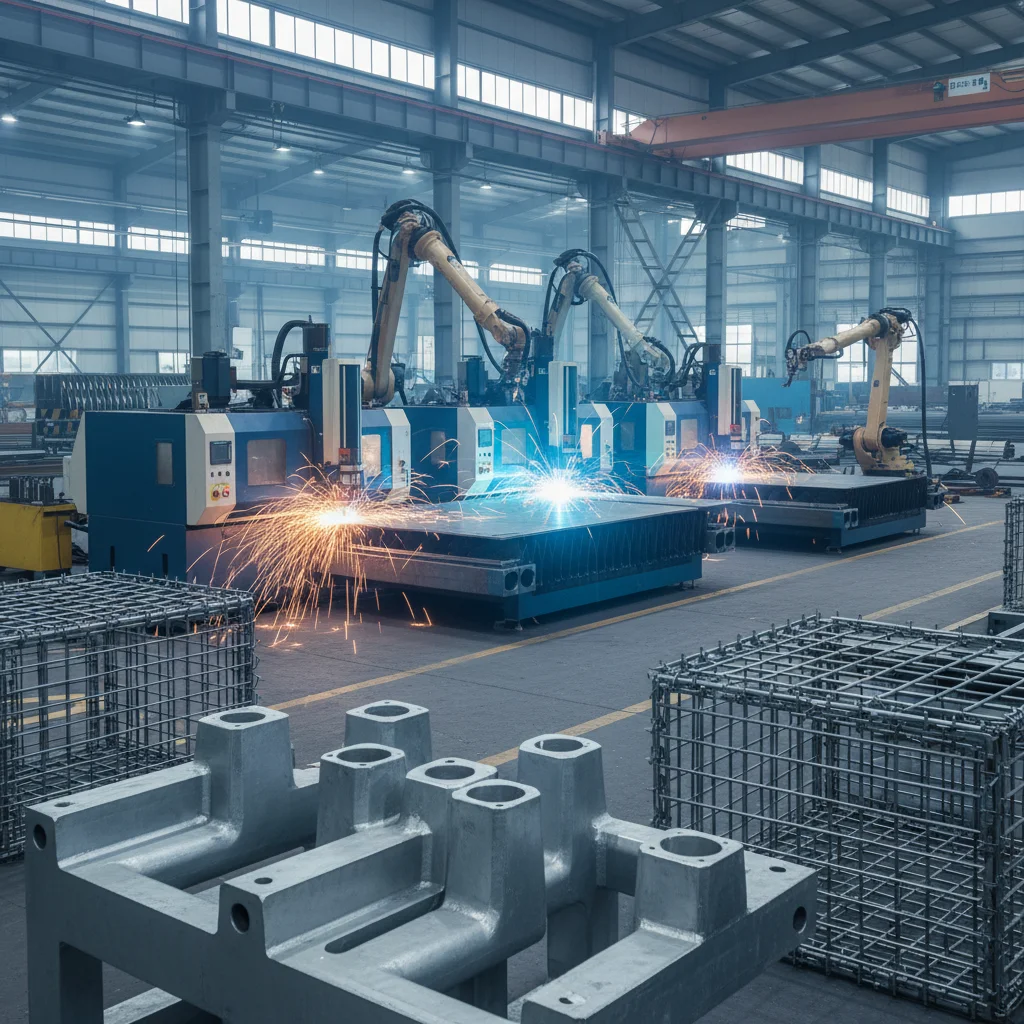
Additionally, modern pipeline mesh innovations focus on scalability and production efficiency. High-capacity production lines ensure that large-scale subsea projects can be supplied with consistent, high-quality mesh. Rigorous testing, including tensile strength, bending resistance, and galvanized layer inspections, guarantees that each batch of mesh meets strict international standards, ensuring reliability in challenging underwater conditions.
The implementation of these innovations has a direct impact on pipeline safety and operational efficiency. By reinforcing the concrete coating, preventing corrosion, and maintaining proper stability, pipeline mesh innovations reduce the risk of structural failures and operational interruptions. This is particularly crucial for offshore energy infrastructure, where repair and maintenance are costly and logistically complex.
In conclusion, pipeline mesh innovations play a pivotal role in enhancing safety, durability, and reliability in subsea pipelines. By combining advanced materials, innovative design, and rigorous quality testing, these reinforced meshes provide comprehensive protection for concrete-coated pipelines, supporting the global oil and gas industry in transporting energy safely and efficiently under the most demanding subsea conditions.