
Galvanized Pipeline Mesh Gains Popularity in Global Energy Transport Projects
As the global energy sector expands, the demand for durable and reliable pipeline solutions has increased dramatically. Among these solutions, galvanized pipeline mesh has gained significant popularity for its ability to reinforce concrete-coated pipelines and provide long-term protection in demanding environments. Its adoption in large-scale energy transport projects highlights its critical role in ensuring operational safety, durability, and cost-efficiency.
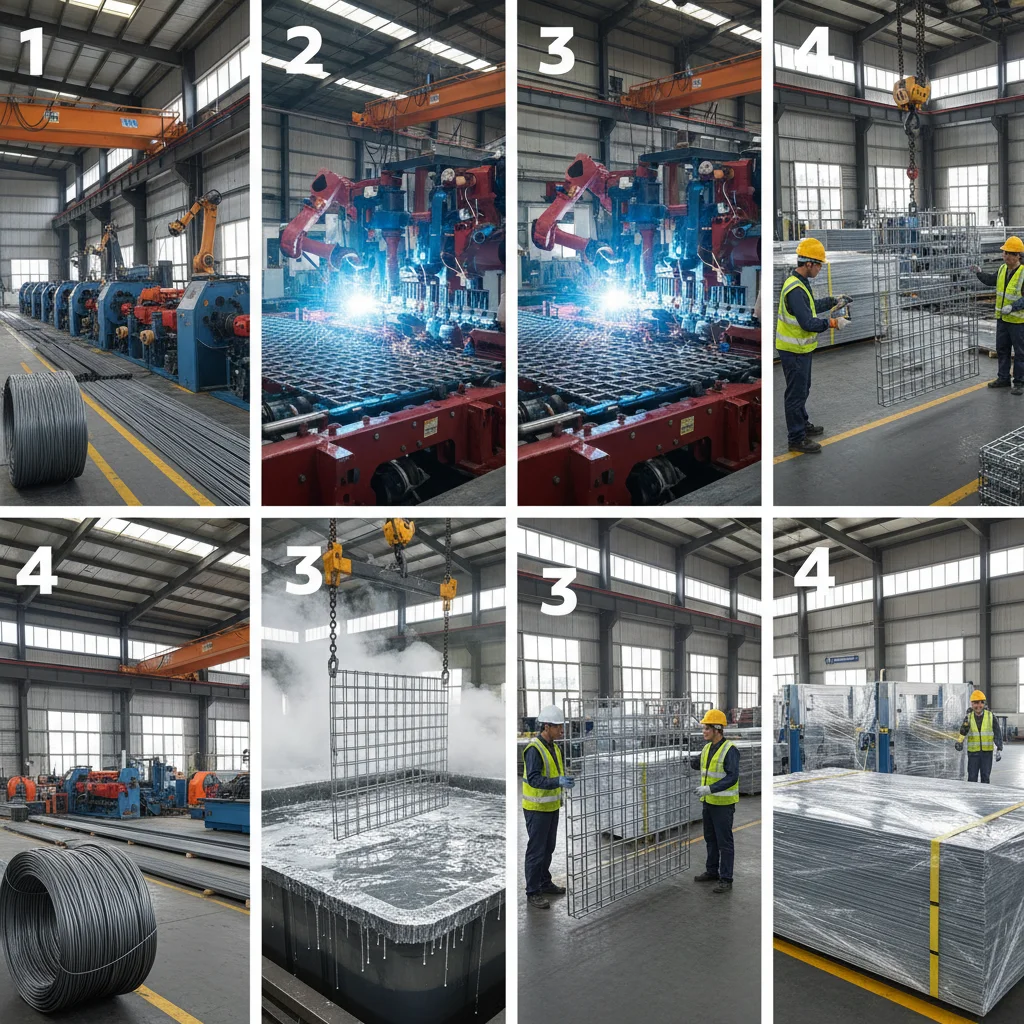
Galvanized pipeline mesh is manufactured from low carbon steel wires coated with a protective layer of zinc, applied either through cold galvanization or hot-dip galvanization. This zinc layer provides excellent corrosion resistance, making the mesh ideal for pipelines exposed to saltwater, freshwater, and chemically active soils. By reinforcing concrete-coated pipelines, galvanized mesh protects the underlying steel pipes from rust, deterioration, and mechanical damage, extending their operational life and reducing maintenance requirements.
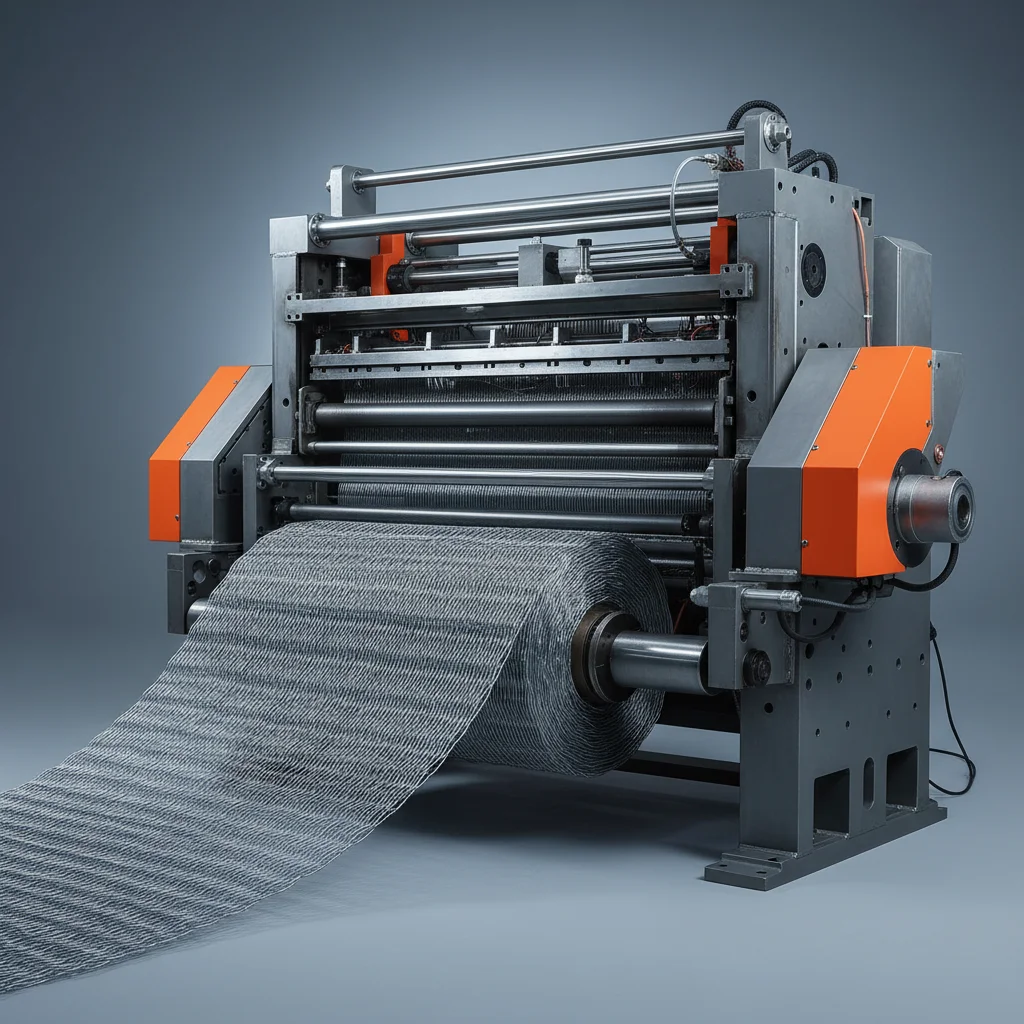
One of the key reasons for the rising popularity of galvanized pipeline mesh is its structural reinforcement capabilities. The mesh features crimped and welded longitudinal and cross wires that form a wave-shaped structure, allowing it to bond tightly with concrete coatings. This design ensures even stress distribution across the pipeline surface, preventing cracks, spalling, and detachment during transportation, installation, and operation. The reinforced structure is especially important for subsea, river-bottom, and offshore pipelines, which are subjected to harsh environmental forces.
Stability and counterweight are additional benefits driving global adoption. Large-scale pipelines require precise positioning and weight distribution to avoid floating or shifting due to water currents, tides, or soil movement. Galvanized pipeline mesh maintains uniform concrete thickness and proper pipeline weight, ensuring secure placement and operational safety, particularly for long-distance subsea or offshore energy transport pipelines.
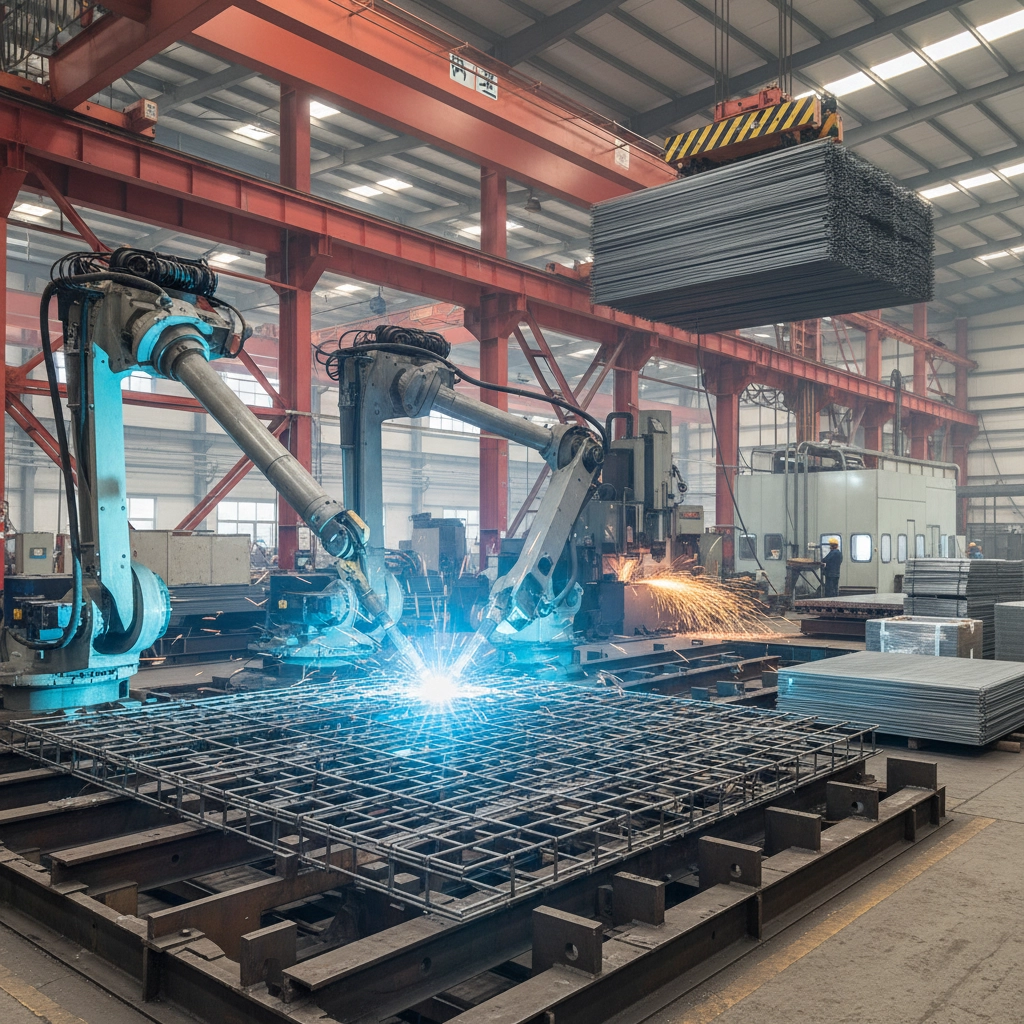
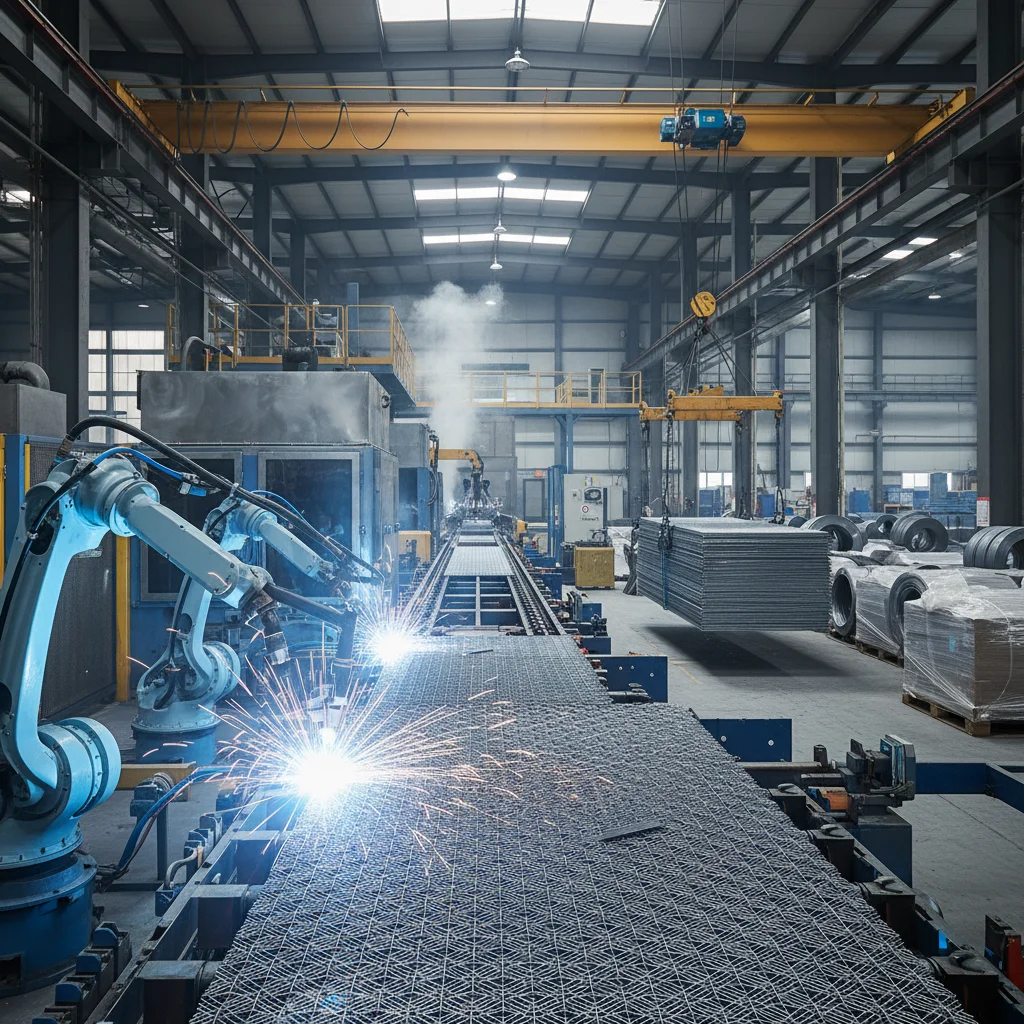
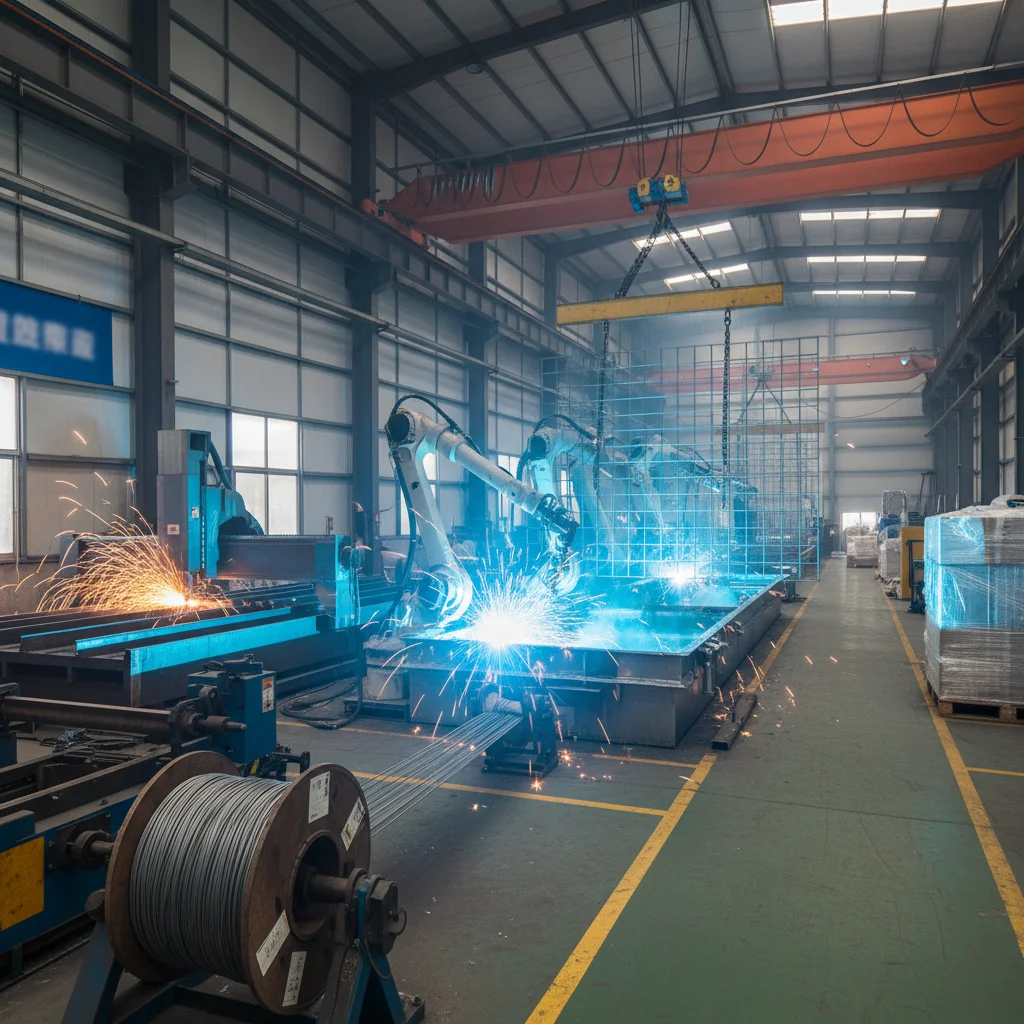
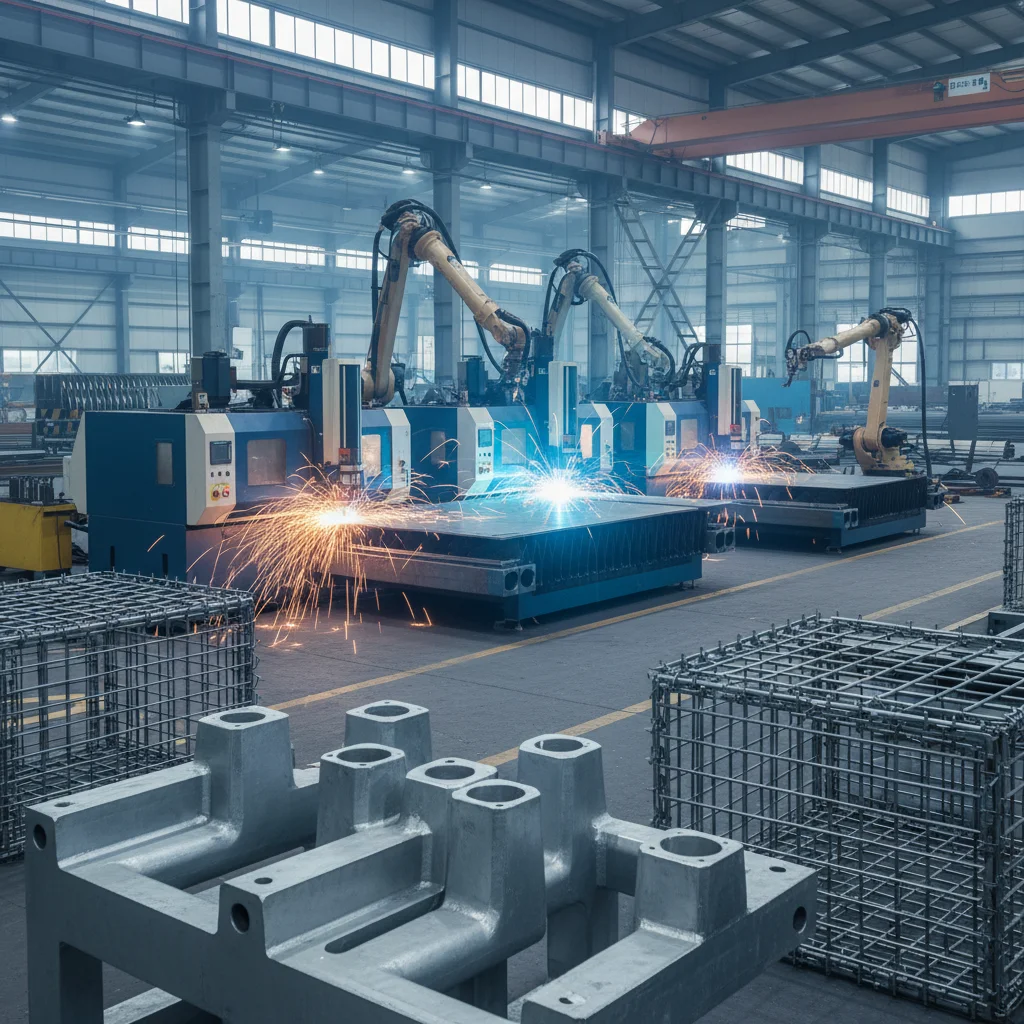
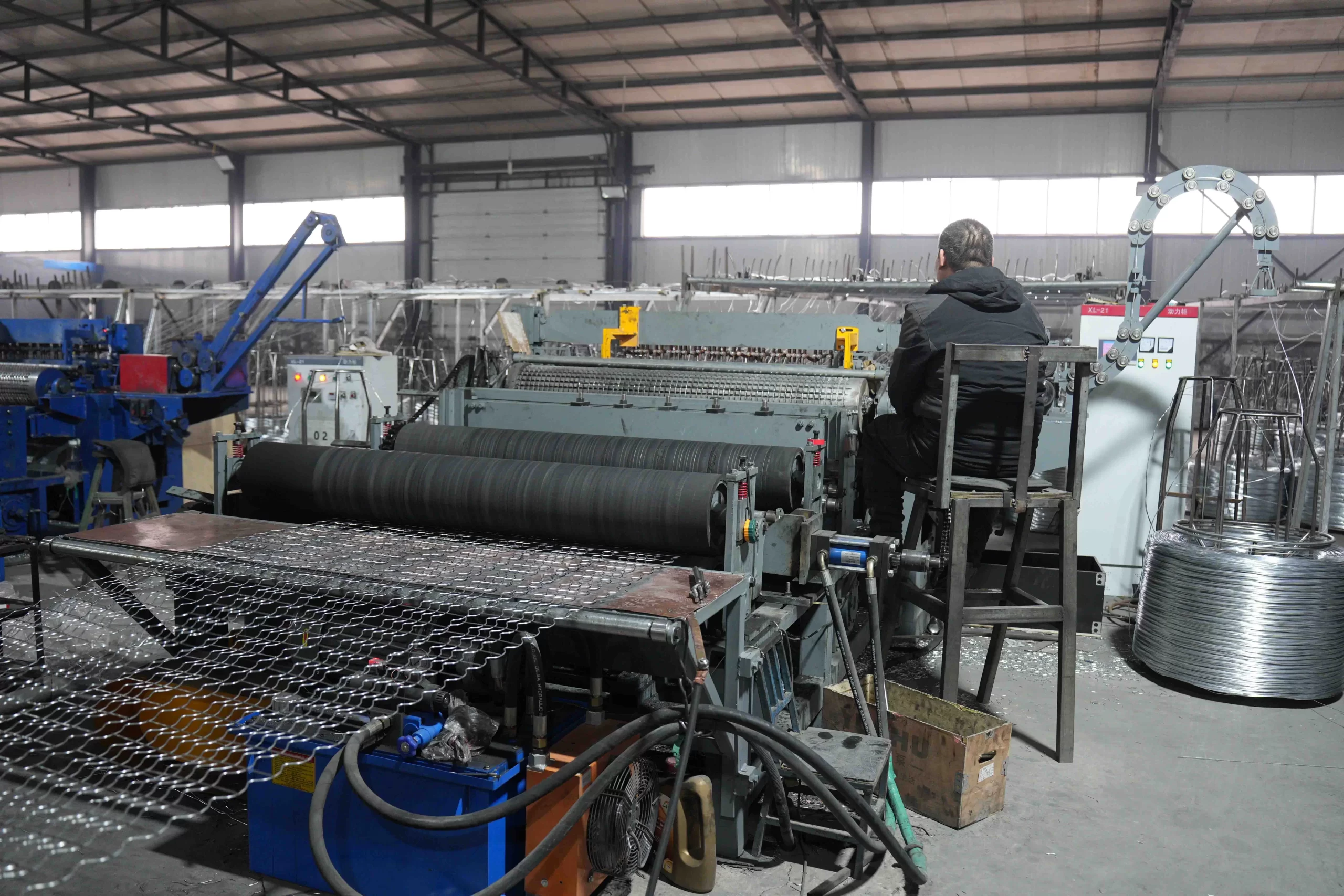
Another factor contributing to its popularity is production scalability and quality assurance. Leading manufacturers, such as Anping Dongjiang Metal Products Co., Ltd., operate advanced production lines with annual capacities of millions of square meters, supported by rigorous quality testing. Tensile strength tests, bending tests, and galvanized layer inspections guarantee consistent performance in challenging global environments. This reliability makes galvanized pipeline mesh a preferred choice for international projects, from offshore oil fields to river-crossing energy pipelines.
The growing use of galvanized pipeline mesh in energy projects reflects its comprehensive protective functions: corrosion resistance, structural reinforcement, stability, and long-term durability. By combining innovative design, high-quality materials, and strict quality control, the mesh ensures safe and efficient pipeline operation, minimizing the risks of operational failures and reducing maintenance costs.
In conclusion, galvanized pipeline mesh has become a crucial component in global energy transport projects. Its ability to protect and reinforce concrete-coated pipelines under harsh conditions has driven widespread adoption, making it an essential material for subsea, offshore, and river-bottom pipeline systems worldwide. The popularity of galvanized pipeline mesh demonstrates its importance in modern energy infrastructure and its value in supporting safe, reliable, and long-lasting pipeline operations.