
Why Choose Us
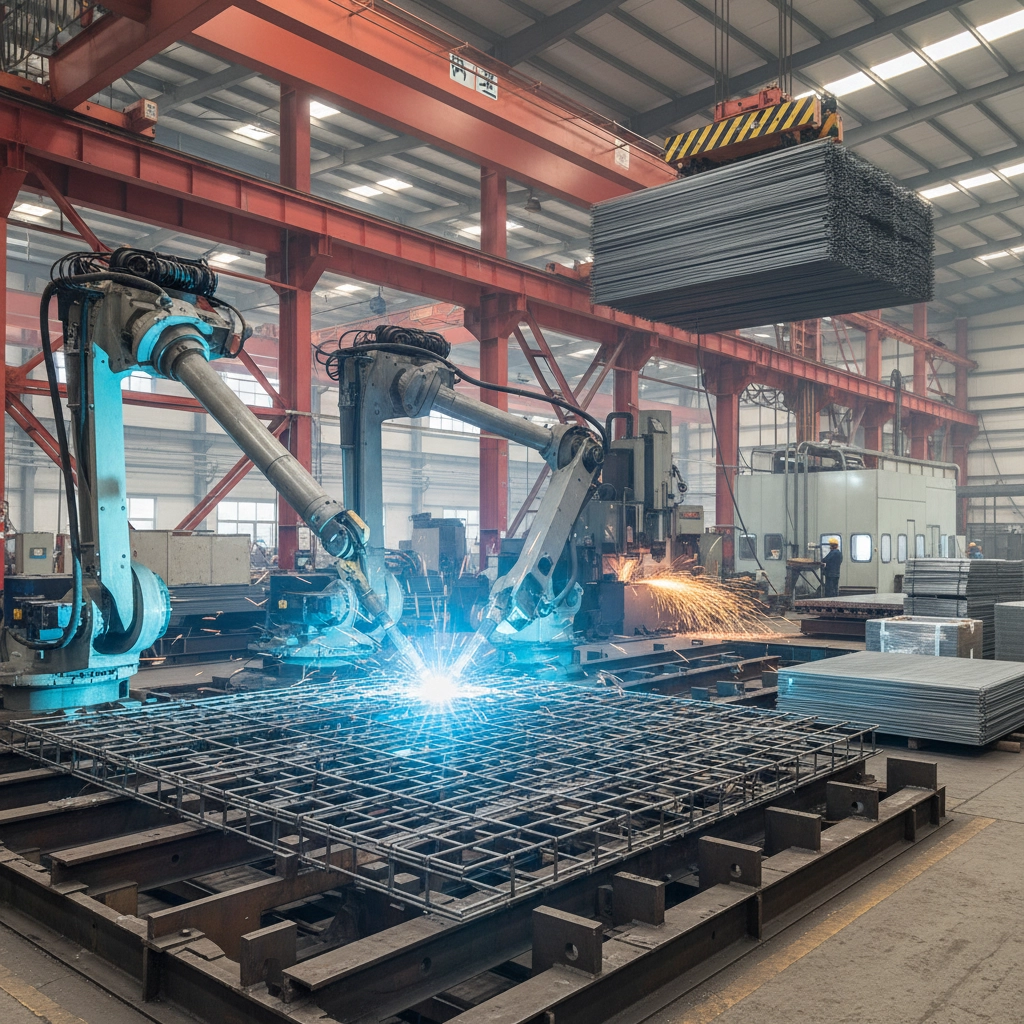
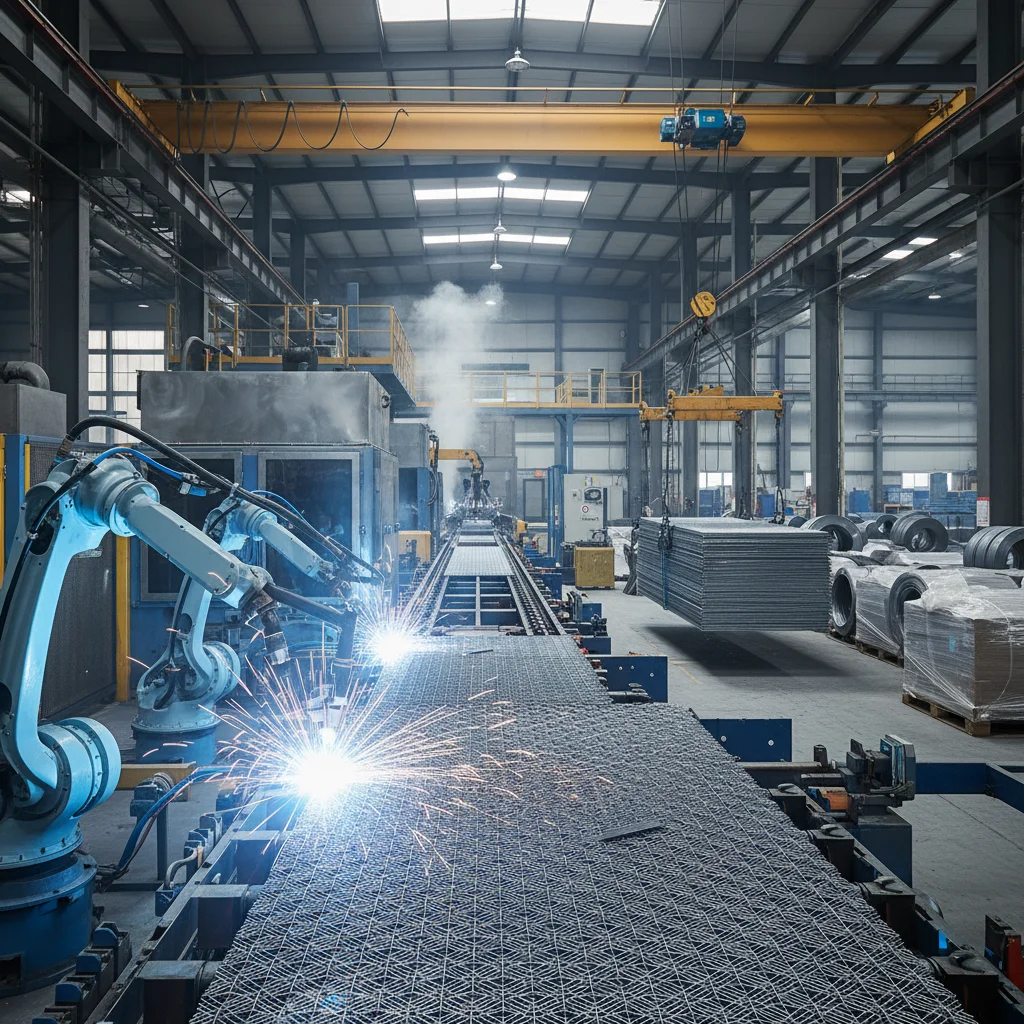
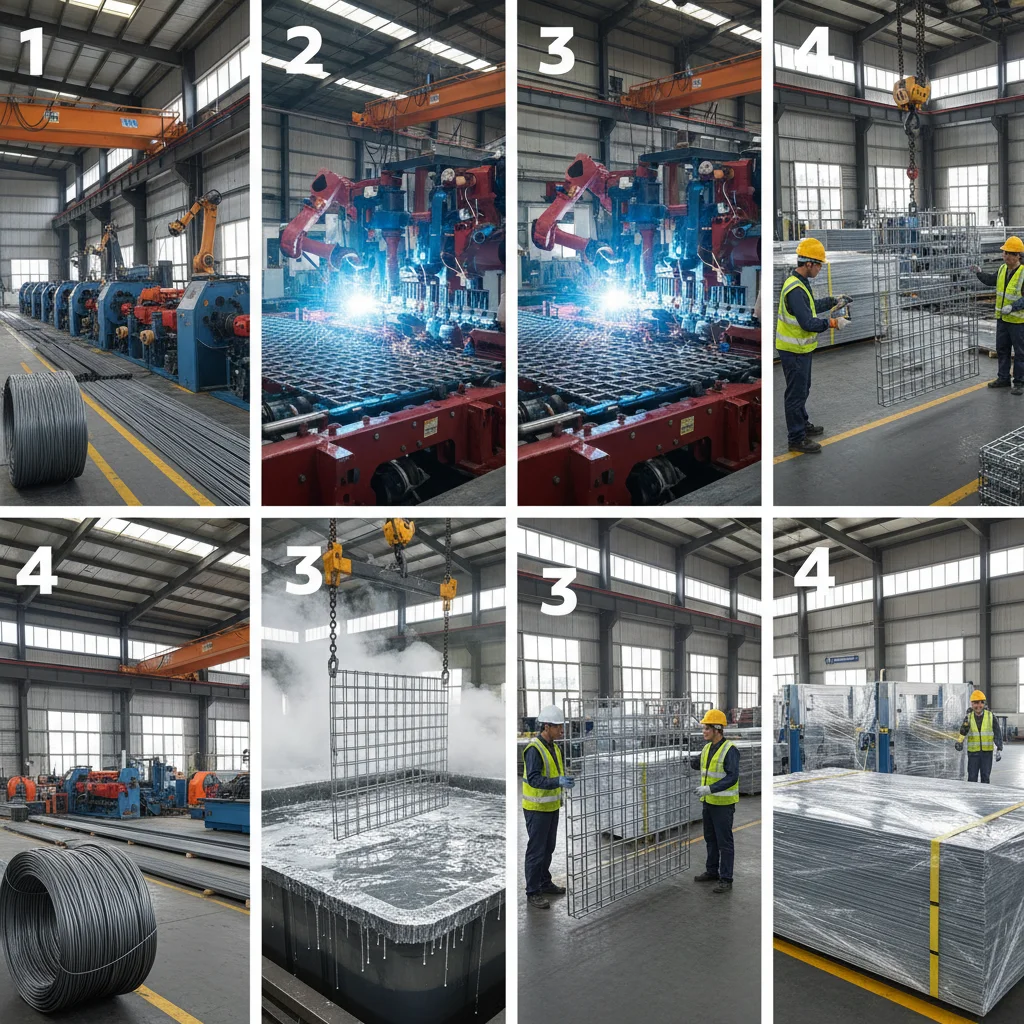
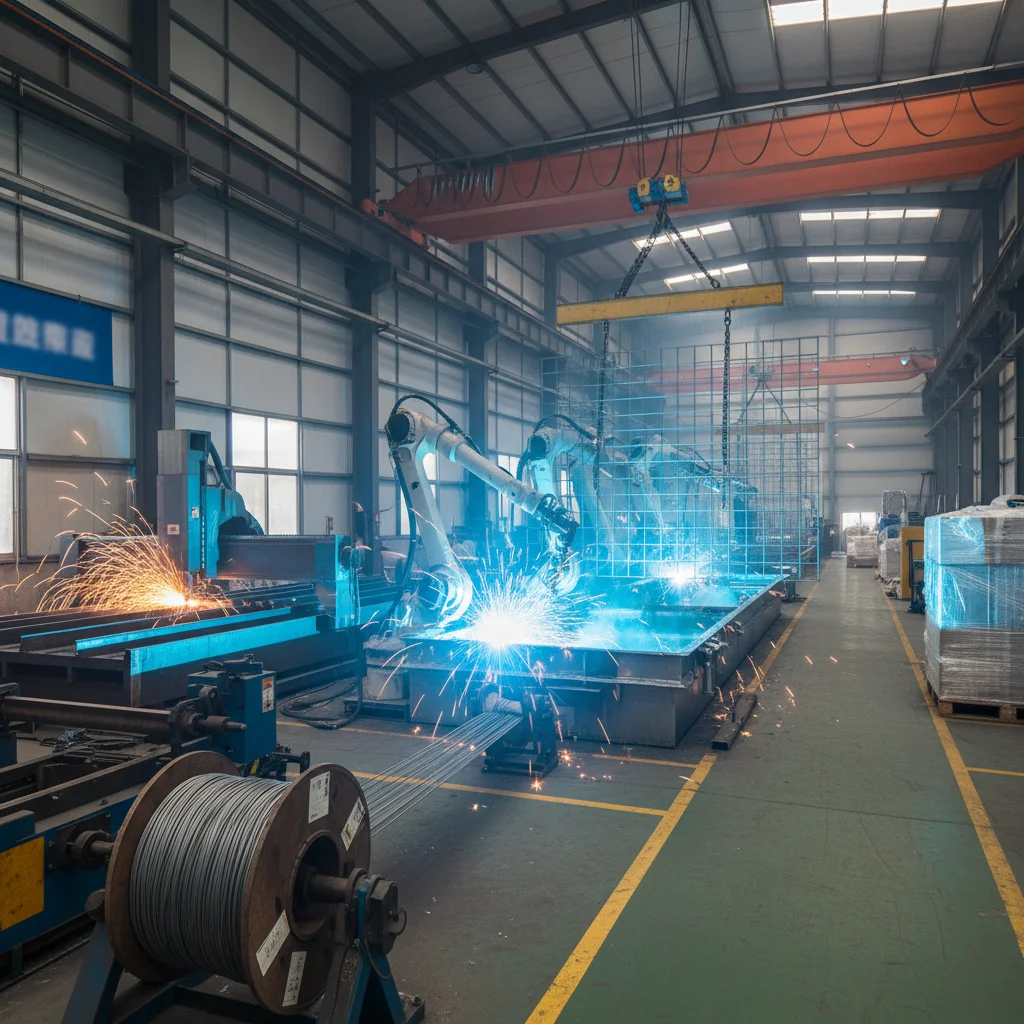
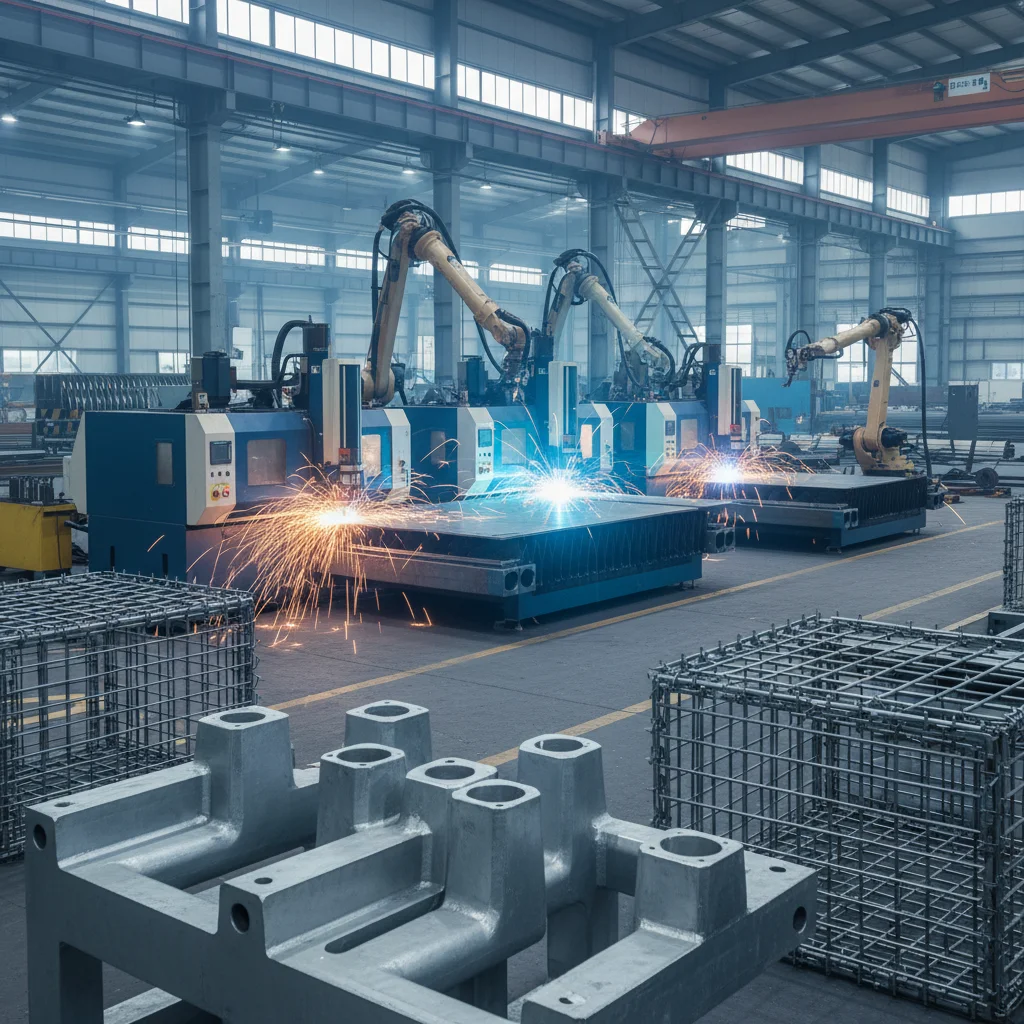
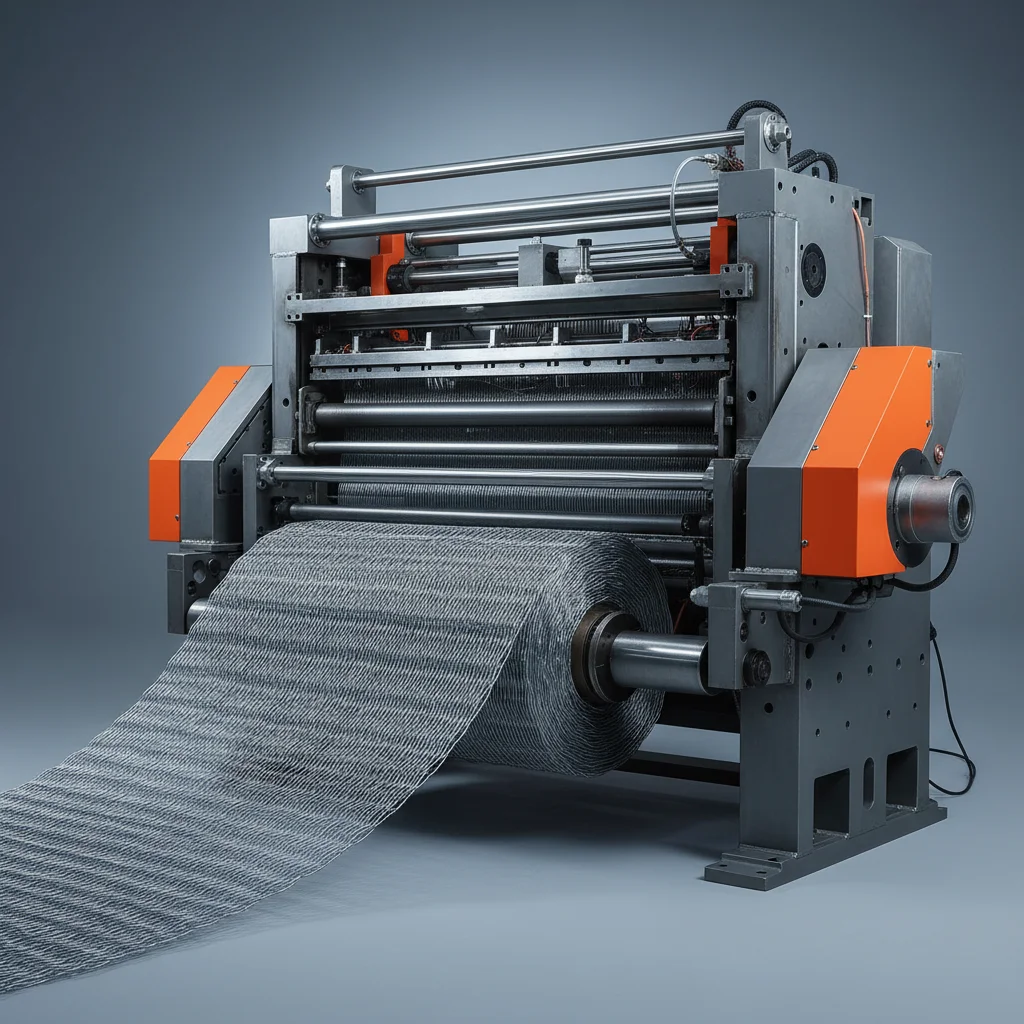
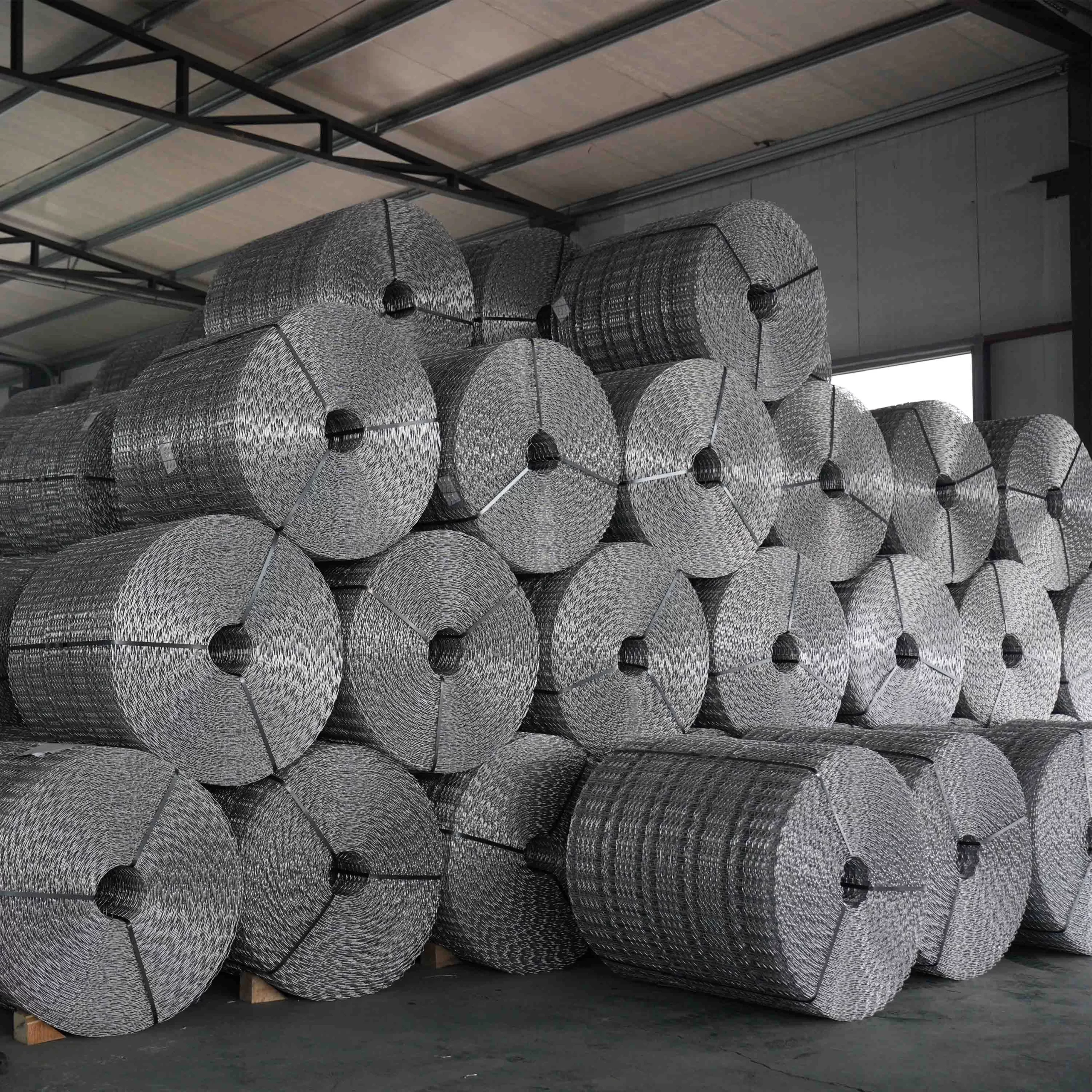
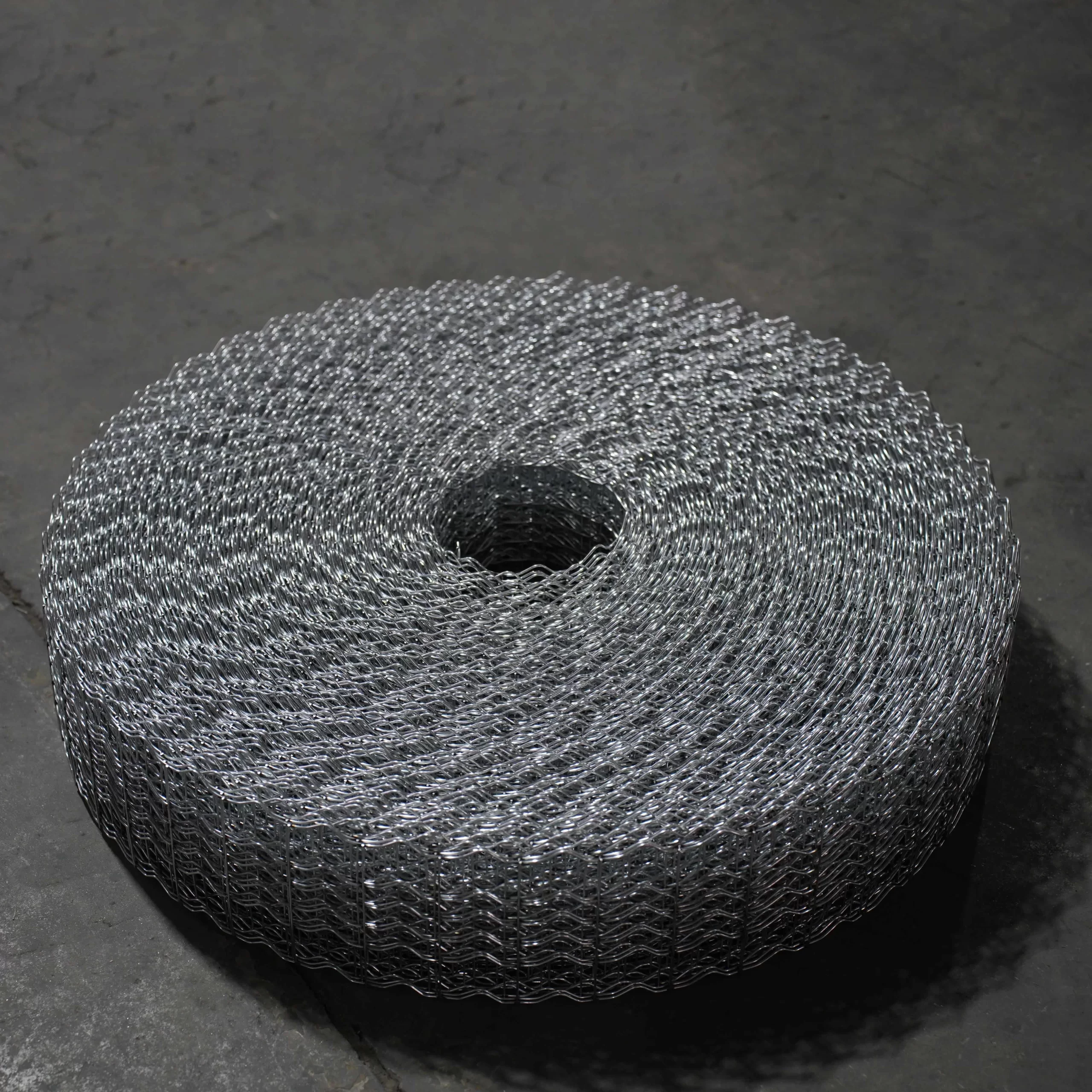
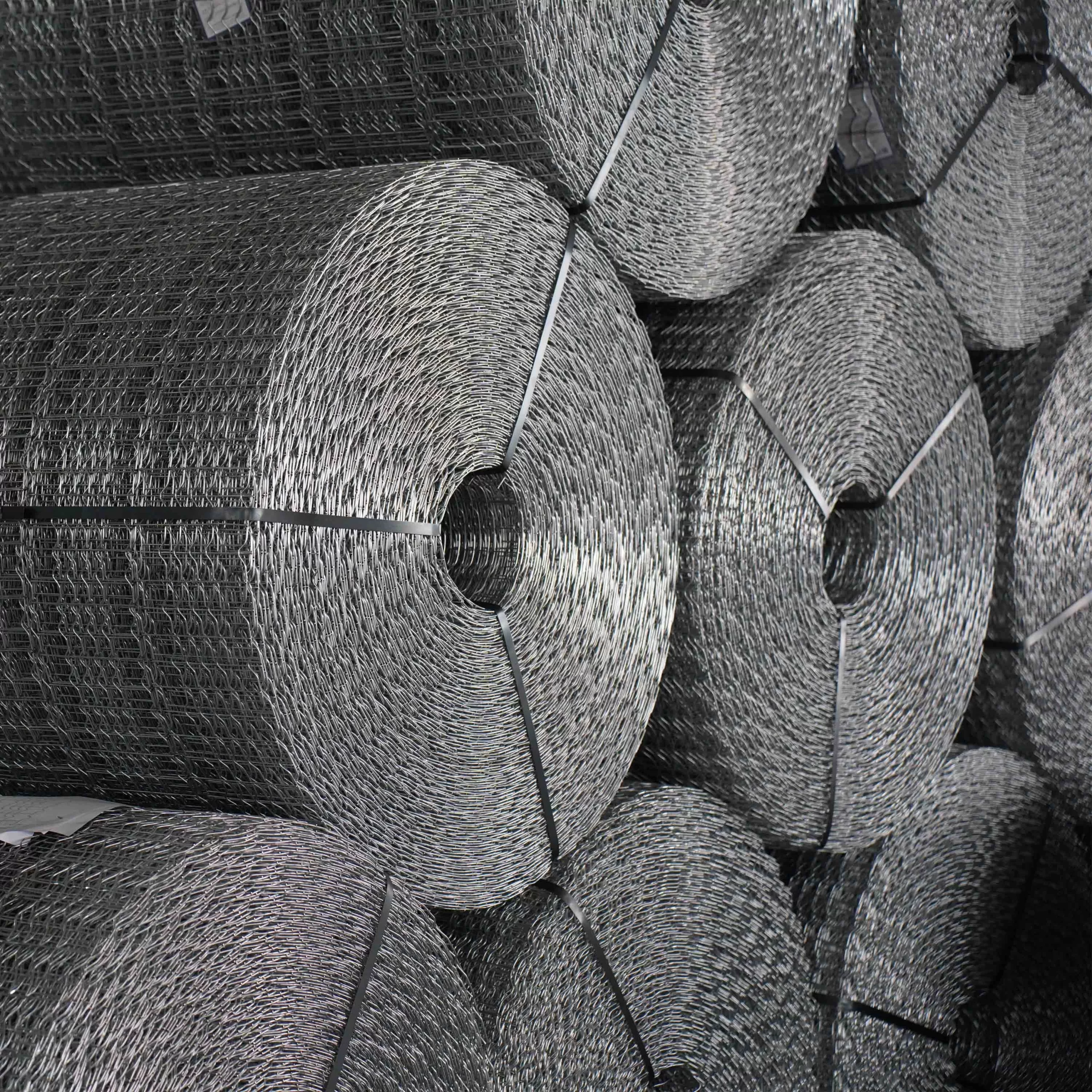
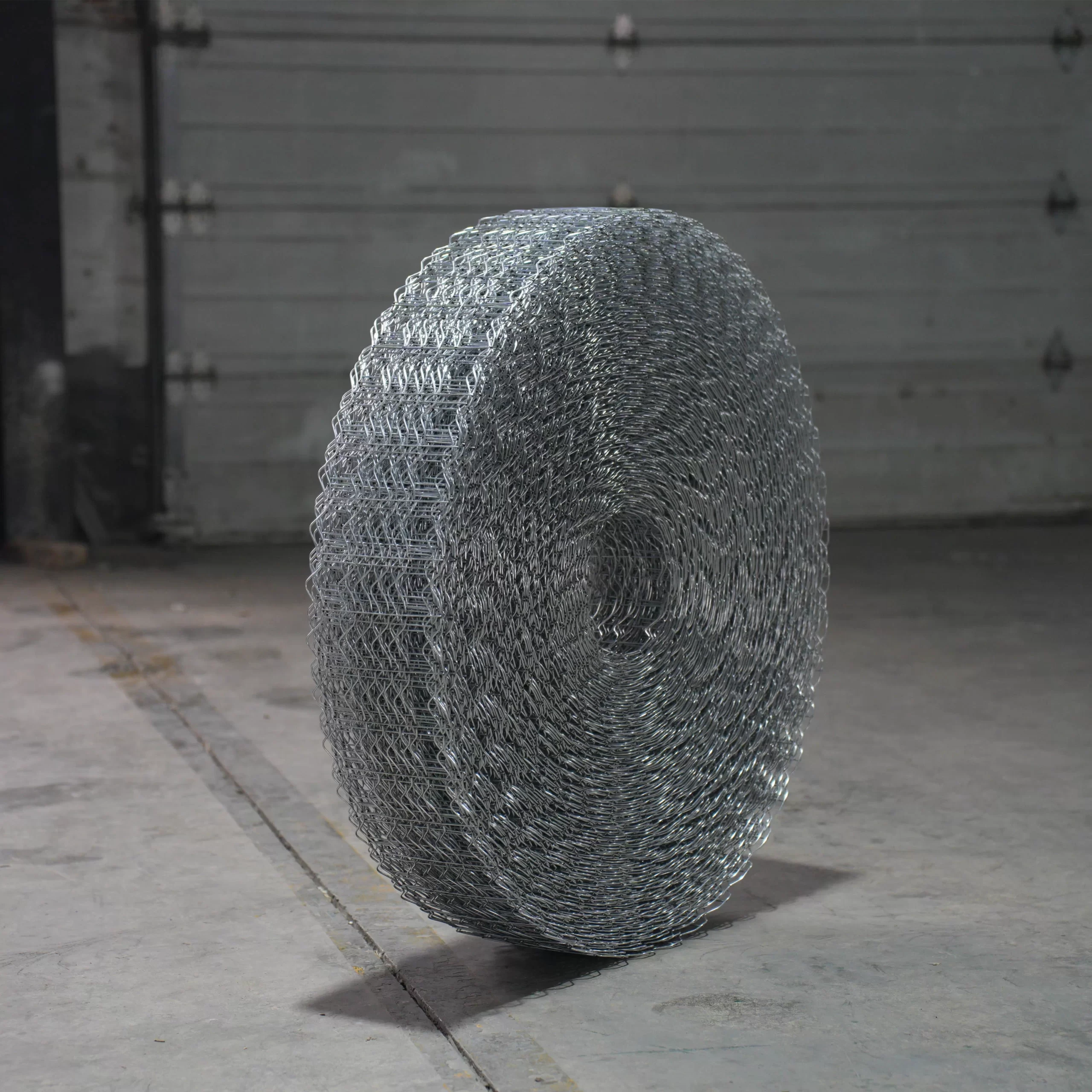
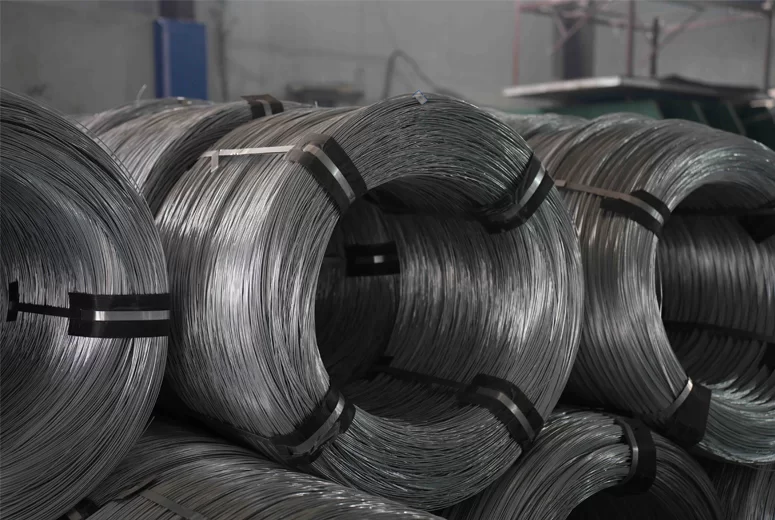
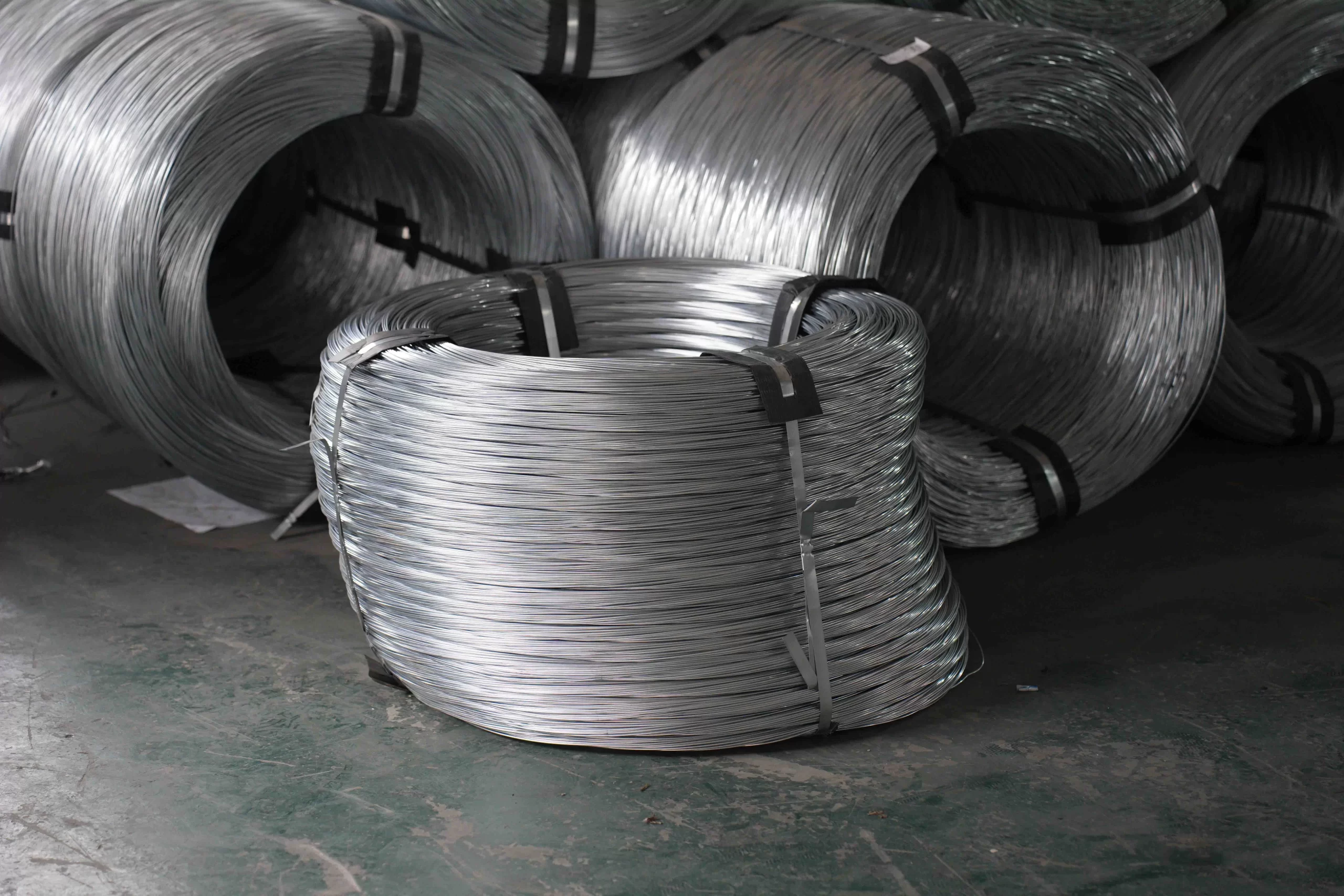
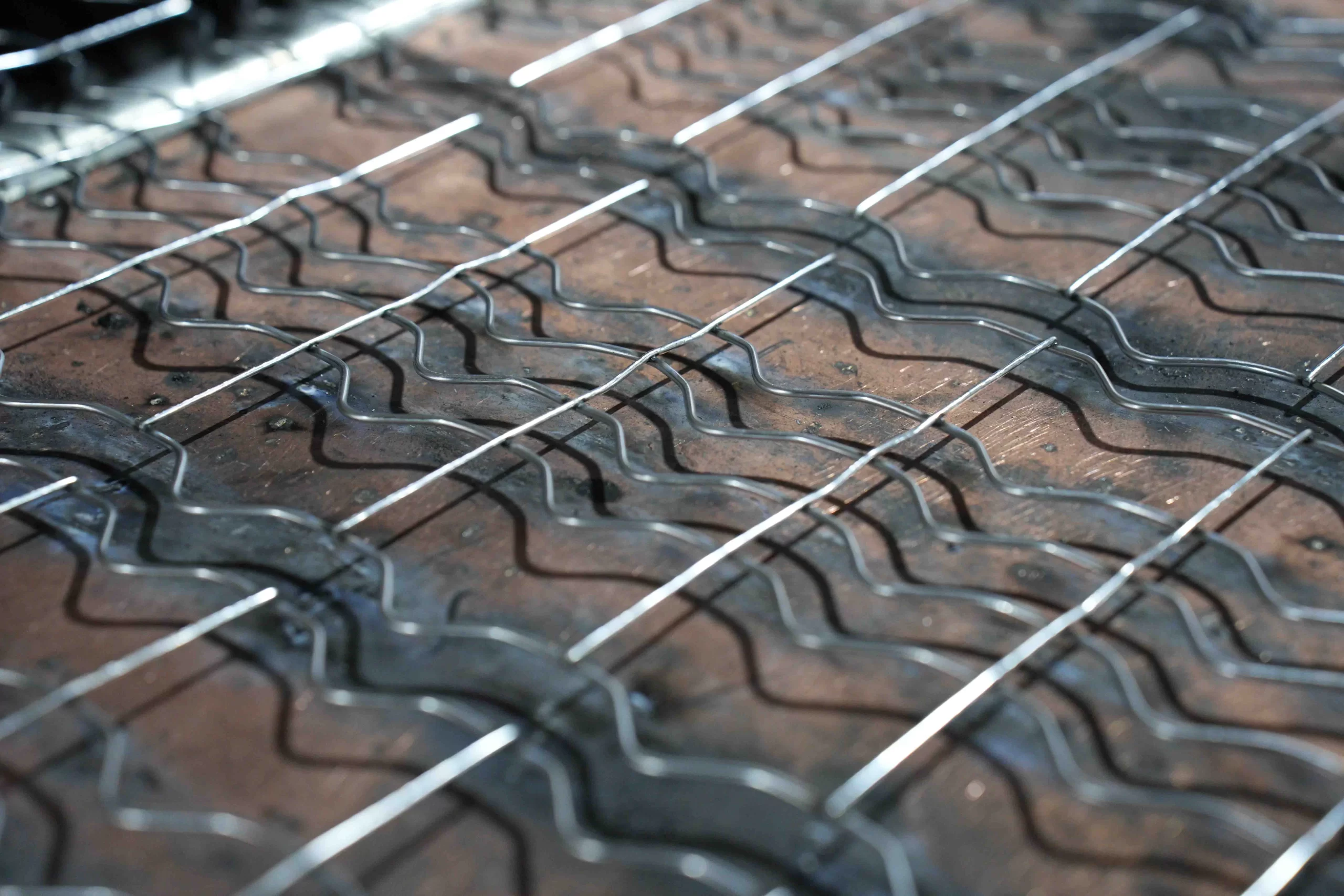
Our company uses high-quality carbon steel wire as raw material for our steel mesh. Strict production standards cover the entire manufacturing process, ensuring that all parameters, including raw material quality, weld strength, and zinc layer thickness, meet relevant standards. We also possess a complete set of production and testing equipment, guaranteeing the best possible product performance.
Production Specification
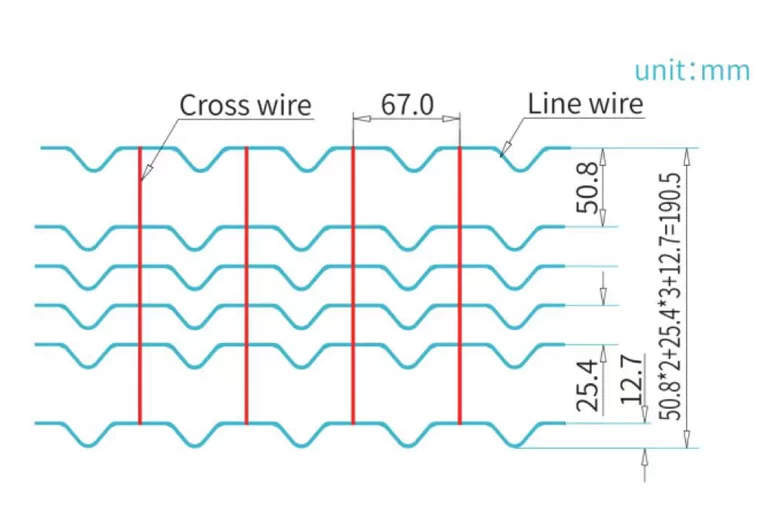
DJ-MN
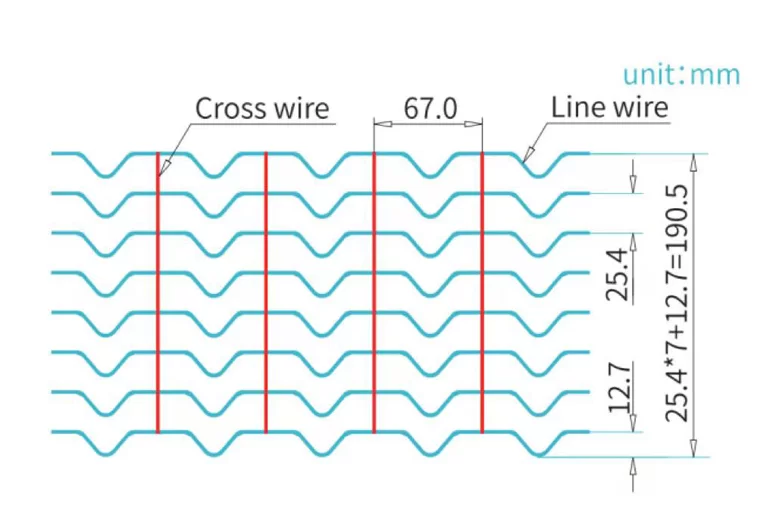
DJ-MT
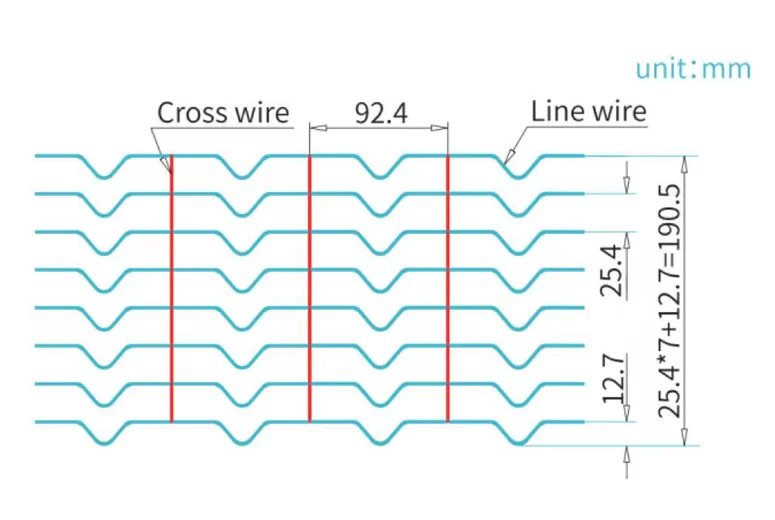
DJ-ML
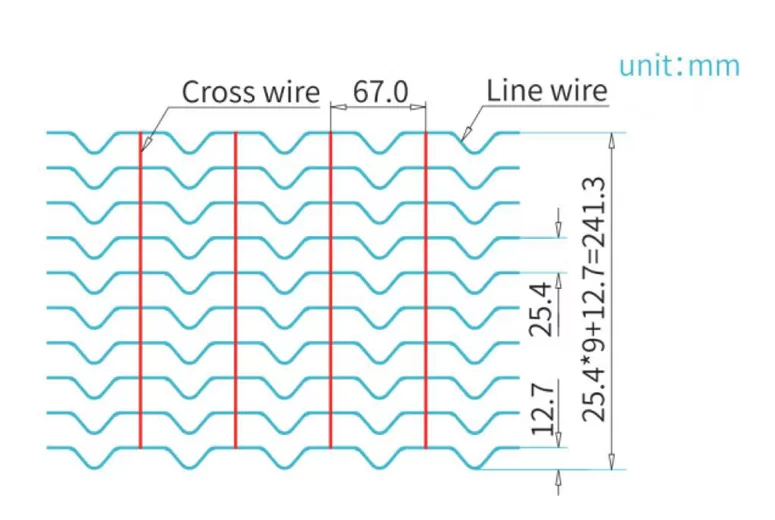
DJ-MW
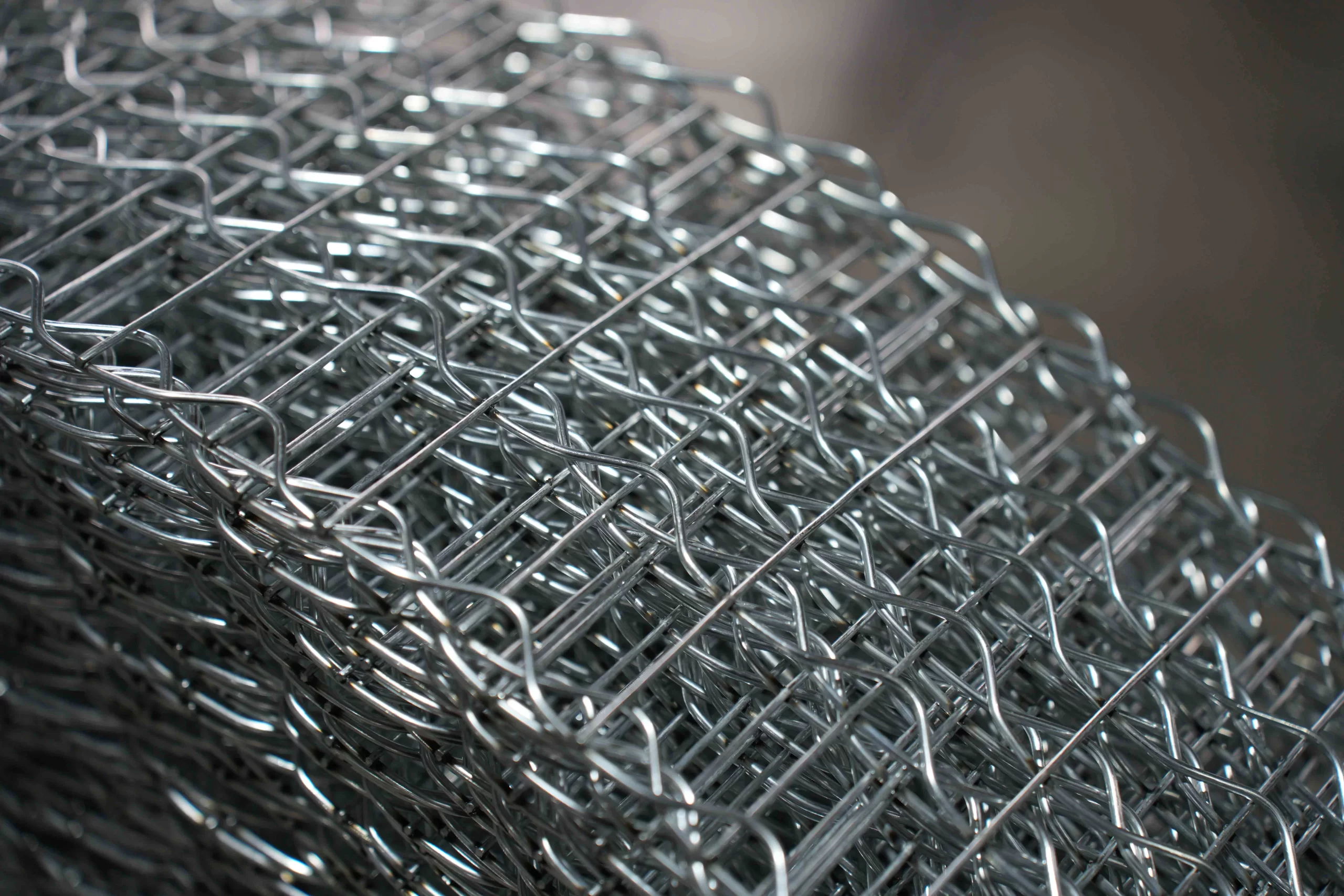
Type | Line Wire Qty. | Line Wire Diameter | Cross Wire Diameter | Middle Line Wire Pitch | Two side line wire pitch | Cross Wire Pitch | Mesh Width | Roll Length
| Exposed wire edge |
DJ-MN | 6 | 2.3mm 2.5mm 2.6mm 2.85mm | 2.0mm 2.05mm | 25.4mm | 50.8mm | 67mm | 190.5mm | 110-295mm | ≤2.5mm |
DJ-MT | 8 | 25.4mm | 67mm | 190.5mm | |||||
DJ-ML | 8 | 25.4mm | 92.4mm | 190.5mm | |||||
DJ-MW | 10 | 25.4mm | 67mm | 241.3mm |
Application
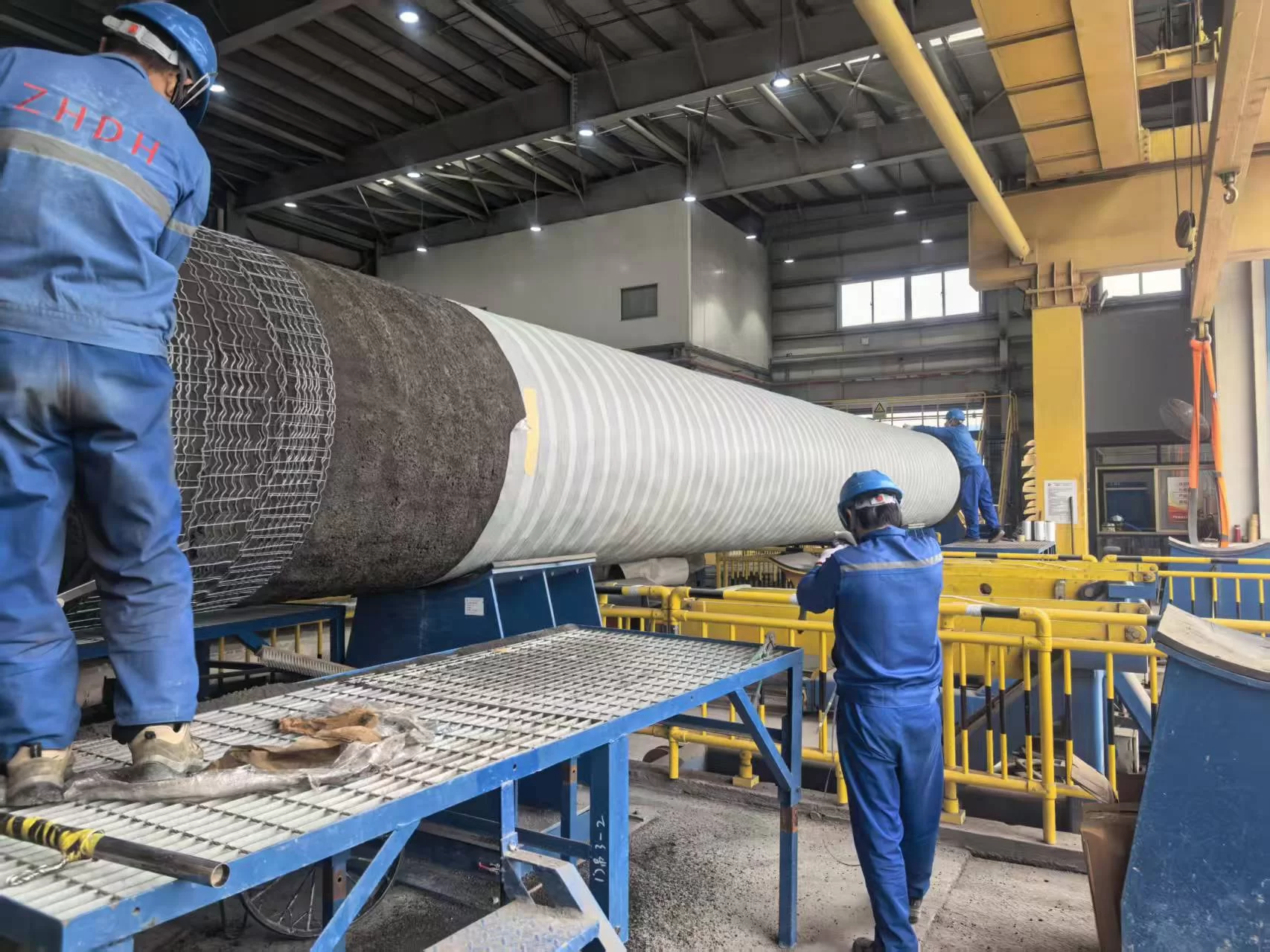
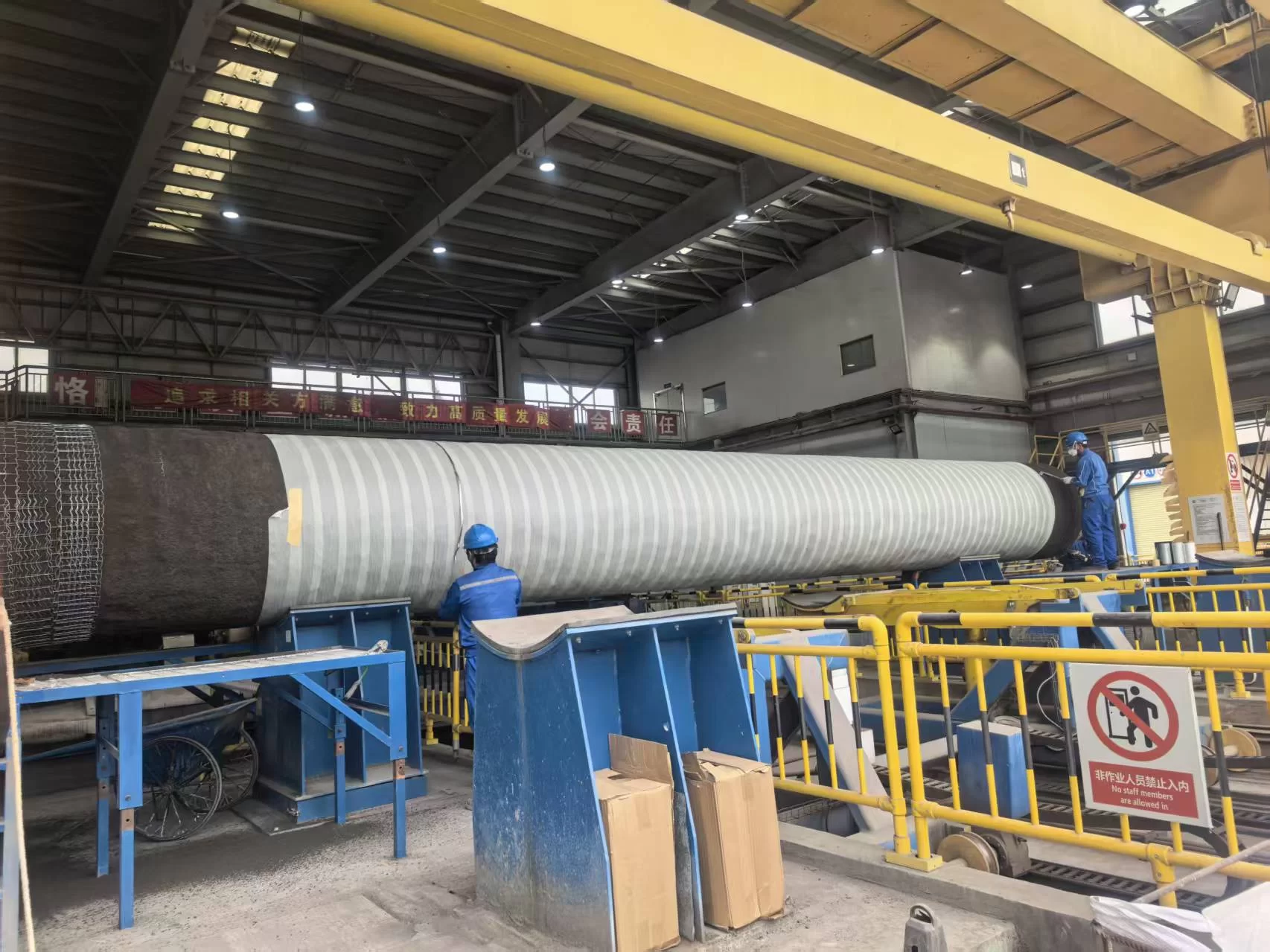
Commonly used in a variety of pipeline applications:
Subsea Gas and Oil Pipeline:
Reinforce subsea oil and gas pipelines, enhancing their overall structural strength and durability,ensuring stable operation in high-pressure, highly corrosive marine environments.
Everglades Gas Pipeline:
Provides effective external protection for the everglades gas pipeline, guarding against erosion, corrosion, wildlife impact, and other external damages.
River Bottom Gas and Oil Pipeline:
Offers extra support and reinforcement to evenly distribute the pipeline load across the river or stream bed, thereby reducing the risk of disturbance and damage to the underwater ecosystem and structures.
Water Supply and Sewage Treatment Pipelines:
Highly effective in inhibiting corrosion in water distribution networks, sewage treatment plants, and desalination facilities, ensuring safe and stable operation.
Chemical Processing Pipelines:
Pipeline reinforced mesh lining protects pipelines in chemical plants, refineries, and petrochemical facilities against aggressive chemicals, corrosive media, and harsh operating conditions.
1、Offshore Pipeline Wire Mesh Installation And Maintenance Tips
Installing and maintaining offshore pipeline wire mesh is critical for ensuring the structural integrity and longevity of subsea pipelines. Offshore environments present unique challenges, including strong currents, saltwater corrosion, and varying pressures at different depths. Using high-quality offshore pipeline wire mesh helps protect pipelines from mechanical damage, erosion, and corrosion.
The first step in the installation process is selecting the appropriate pipeline reinforcement wire mesh. Factors such as mesh size, material grade, and corrosion resistance must be considered. Marine-grade stainless steel or galvanized wire mesh is often preferred for offshore applications because it withstands the harsh saltwater environment. Proper design ensures that the offshore pipeline wire mesh provides both reinforcement and protection without interfering with pipeline flexibility.
During installation, precise positioning and secure attachment are essential. The pipeline reinforcement wire mesh must be carefully wrapped or fixed around the pipeline using appropriate clamps or fasteners. Special attention should be paid to joints and bends, as these areas are more susceptible to wear and damage. Following manufacturer guidelines and engineering standards ensures that the offshore pipeline wire mesh performs effectively under dynamic conditions.
Regular maintenance is equally important for the longevity of the pipeline. Offshore pipelines are constantly exposed to environmental stressors, so inspecting the offshore pipeline wire mesh periodically is essential. Maintenance checks should focus on corrosion, loose mesh sections, and any signs of mechanical damage. Cleaning the mesh and replacing damaged sections promptly can prevent small issues from escalating into significant structural problems.
In addition, applying anti-corrosion coatings and monitoring the environmental conditions around the pipeline helps extend the life of both the pipeline and the pipeline reinforcement wire mesh. Combining proactive installation techniques with routine inspections ensures that offshore pipelines remain safe and operational for extended periods.Overall, proper installation and consistent maintenance of offshore pipeline wire mesh are crucial for safeguarding subsea pipelines. By following these best practices, operators can maximize pipeline durability, prevent costly repairs, and ensure safe, efficient operation in offshore environments.
2、How To Choose Pipeline Reinforcement Wire Mesh For Offshore Use
Selecting the right pipeline reinforcement wire mesh for offshore use is vital for the protection and durability of subsea pipelines. Offshore pipelines face harsh environmental conditions, including high pressure, saltwater corrosion, and potential mechanical impacts. Using a suitable offshore pipeline wire mesh ensures that pipelines maintain their structural integrity and continue to operate safely over time.
The first consideration is the material of the pipeline reinforcement wire mesh. Stainless steel and galvanized steel are common choices for offshore applications because they resist corrosion and maintain strength under extreme conditions. Marine-grade materials are particularly effective for long-term projects in deepwater or high-salinity environments. Selecting a high-quality offshore pipeline wire mesh reduces maintenance requirements and prevents premature pipeline failures.
Mesh size and design are also important factors. A tighter mesh provides better protection against mechanical damage and supports the pipeline structure, while a larger mesh may offer flexibility for dynamic movements. Engineers should evaluate the expected environmental forces, including ocean currents, sediment movement, and potential impact from marine life or vessels, when determining the optimal pipeline reinforcement wire mesh configuration.
Ease of installation is another consideration. Products like pre-formed offshore pipeline wire mesh or modular systems can simplify installation and reduce labor costs. Ensuring that the mesh can be securely attached and remains stable over time is essential for long-term performance. Pipeline reinforcement wire mesh that allows for proper alignment around curves, bends, and joints enhances the protective coverage of the pipeline.
Additionally, maintenance requirements should be evaluated before selecting a pipeline reinforcement wire mesh. Materials that are durable and corrosion-resistant reduce the frequency of inspections and repairs. Operators should also consider compatibility with protective coatings or other gypsum additives if the pipeline is part of a multi-layer protection system.
Finally, consulting industry standards and guidelines ensures compliance with offshore engineering regulations. Choosing the right offshore pipeline wire mesh is not just a matter of protection but also of meeting legal and safety requirements. Proper selection, combined with careful installation and regular inspection, guarantees the long-term performance of the subsea pipeline system.
By carefully considering material, mesh size, ease of installation, and maintenance, engineers can select the most effective pipeline reinforcement wire mesh for offshore use, ensuring pipeline durability, safety, and operational efficiency.
If you have any camping barbeque equipment inquiry, please feel free to contact us.