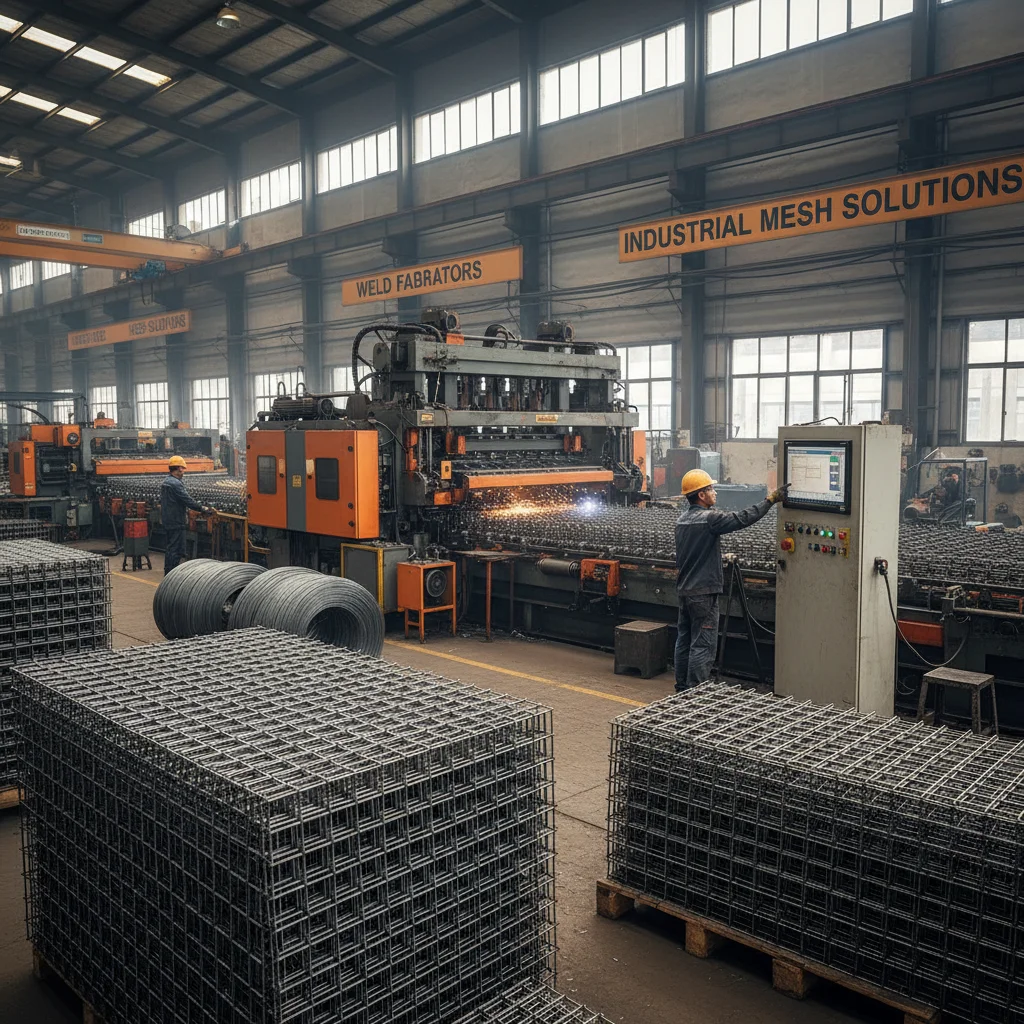
In the demanding realm of industrial infrastructure, the role of a professional welded wire mesh rolls factory extends far beyond simple manufacturing; it is about providing the skeletal integrity for critical assets. From reinforced concrete to complex marine pipeline protection, the precision of the weld and the quality of the steel determine the lifespan of the project. Understanding the nuances of mesh production is essential for engineers and procurement officers who seek to balance structural safety with cost-efficiency in high-pressure environments.
Globally, the demand for high-tensile, corrosion-resistant mesh has surged as urban development pushes further into coastal and aggressive soil regions. A specialized welded wire mesh rolls factory addresses these challenges by integrating advanced galvanization and automated welding technologies. This ensures that the Marine Pipeline Reinforced Mesh can withstand the relentless hydraulic pressures and saline environments that typically degrade standard industrial fencing or reinforcement.
By focusing on the synergy between material science and mechanical engineering, a top-tier welded wire mesh rolls factory empowers global industries to build more sustainably. Whether it is reducing the volume of concrete required through high-strength mesh or extending the maintenance cycles of undersea pipelines, the strategic choice of a mesh partner is a cornerstone of modern civil and marine engineering.
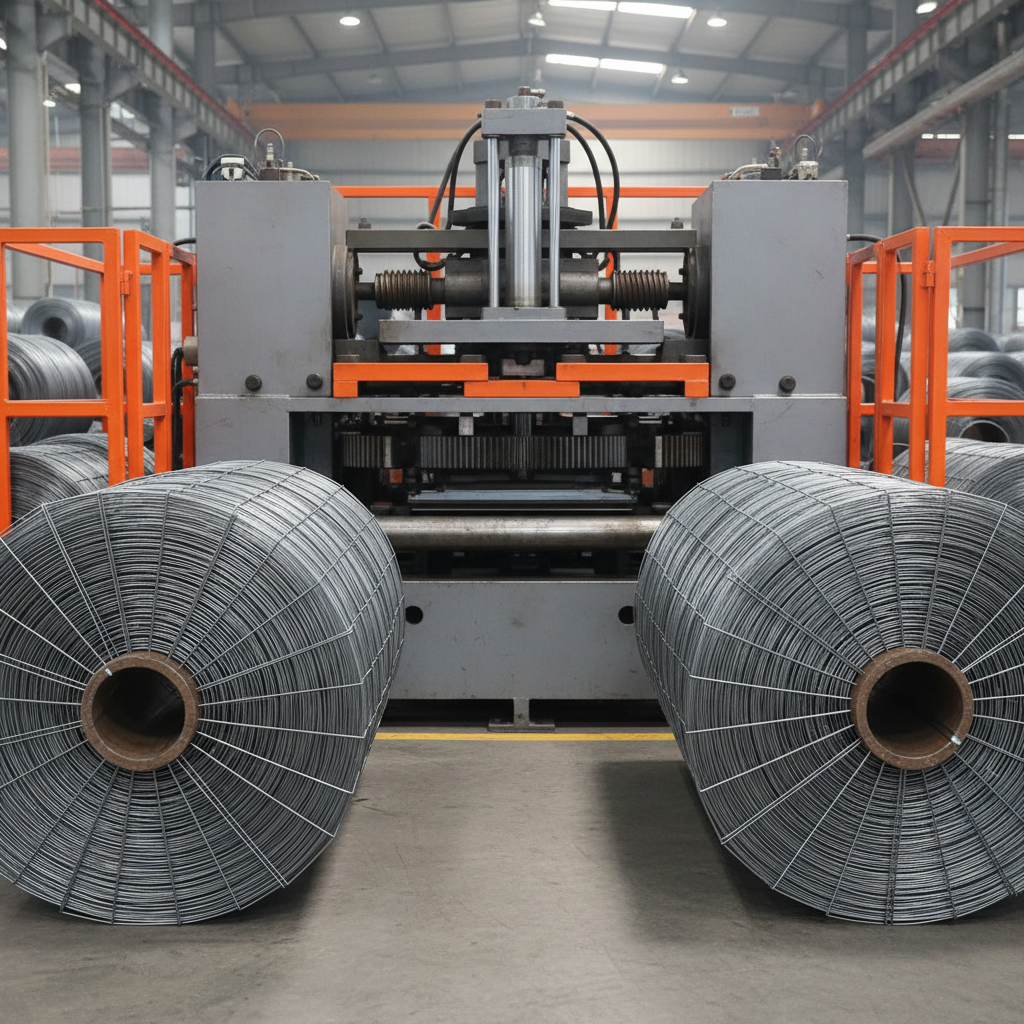
Global Industrial Relevance of Welded Wire Mesh Rolls Factory
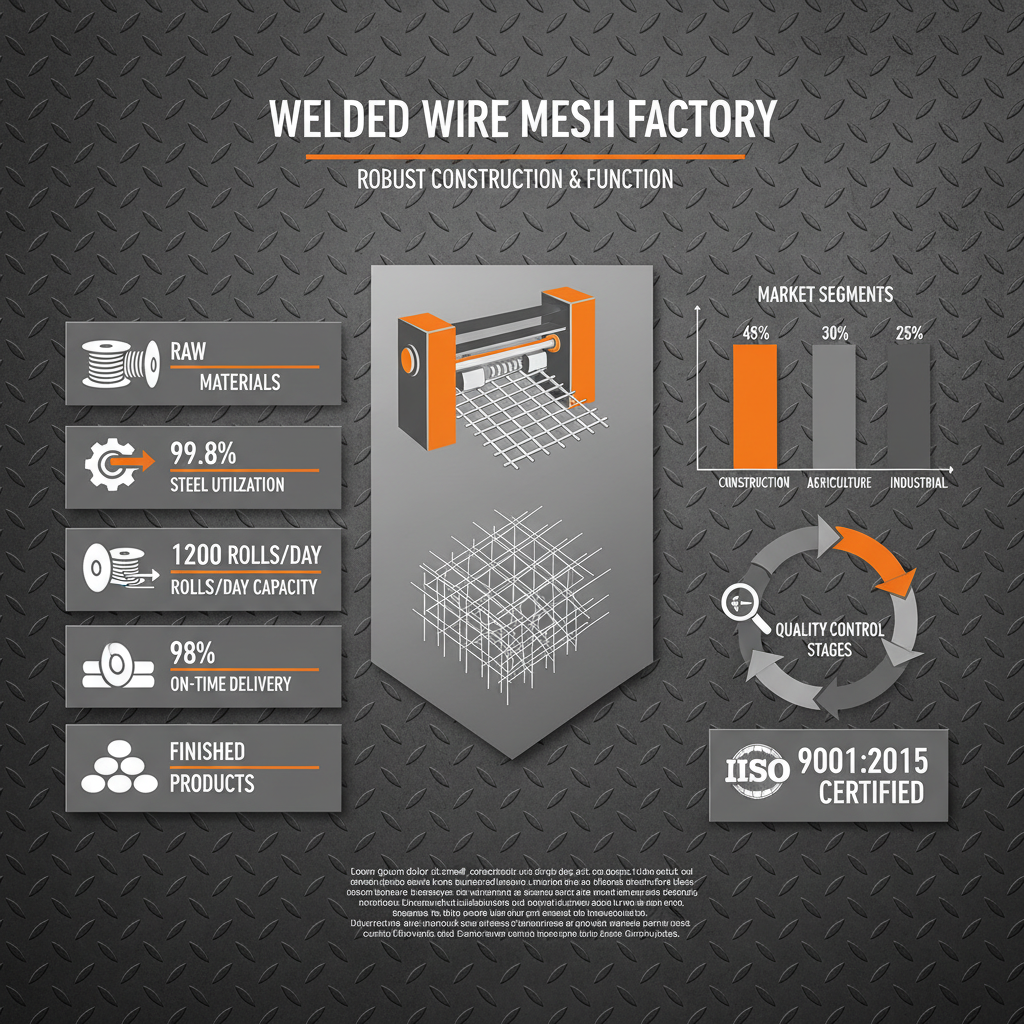
The global industrial landscape is currently experiencing a shift toward more resilient infrastructure, placing an unprecedented spotlight on the welded wire mesh rolls factory. According to recent ISO standards for steel reinforcement, the precision of weld points and the uniformity of the mesh grid are critical to preventing structural failure in seismic zones. As countries invest trillions in renewing bridges, ports, and pipeline networks, the ability of a factory to produce consistent, high-grade rolls has become a benchmark for project viability.
Moreover, the rise of offshore energy projects has necessitated a more specialized approach to mesh production. A welded wire mesh rolls factory that can provide Marine Pipeline Reinforced Mesh is no longer just a supplier but a strategic partner in disaster prevention. By addressing the challenge of saltwater corrosion through advanced coating techniques, these factories ensure that critical energy arteries remain secure, reducing the risk of environmental catastrophes and economic loss.
Defining the Role of a Modern Welded Wire Mesh Rolls Factory
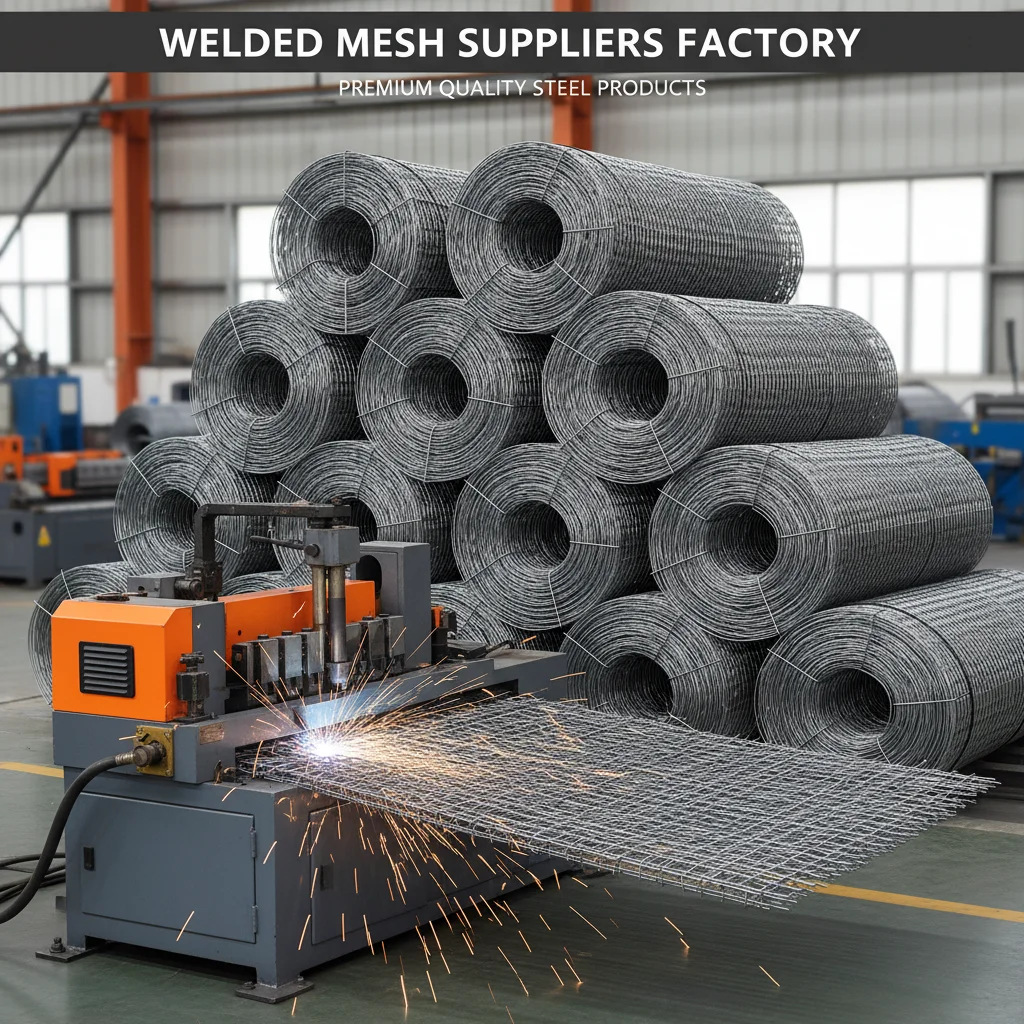
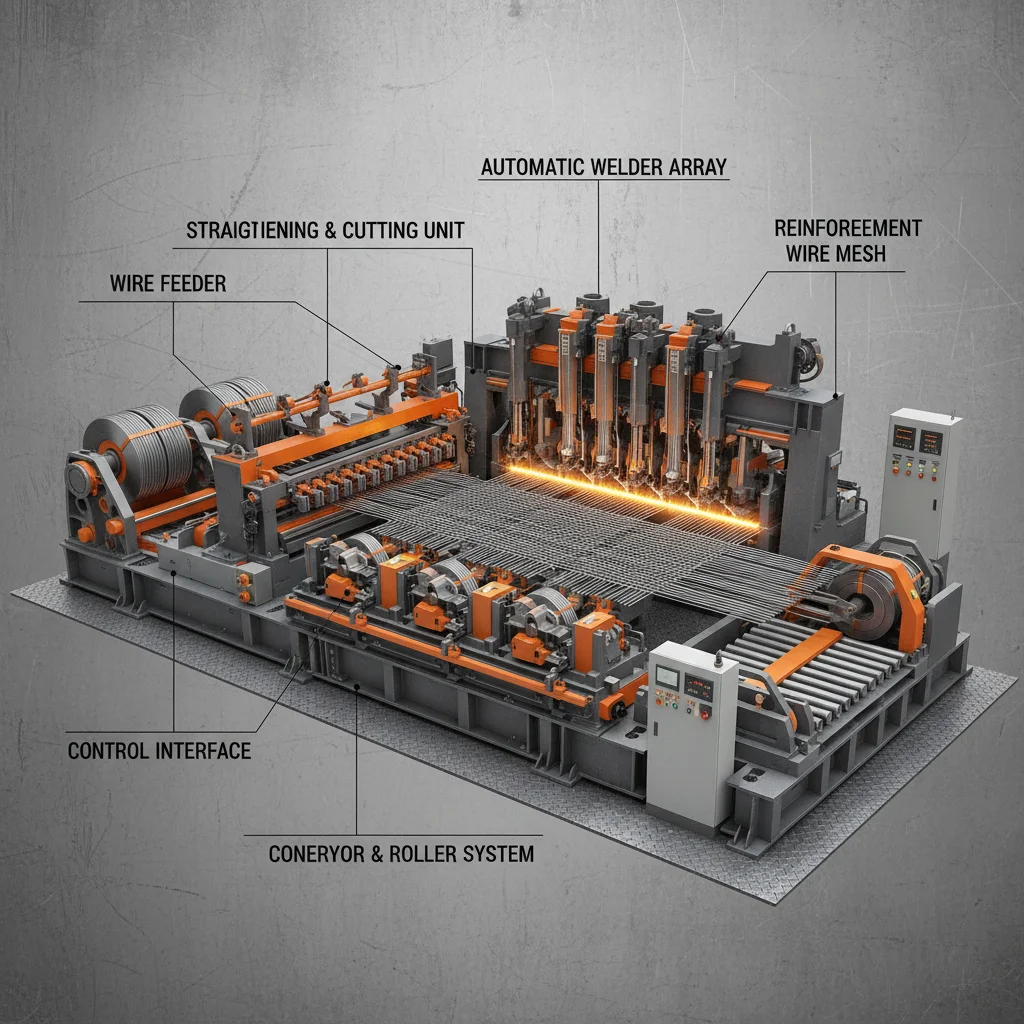
At its core, a welded wire mesh rolls factory is a specialized manufacturing facility that utilizes electrical resistance welding to fuse longitudinal and transverse steel wires at their intersection points. Unlike woven mesh, where wires are simply interlaced, the welded variety offers a rigid, stable structure that does not shift under load, making it indispensable for reinforcing concrete and protecting heavy-duty piping.
In the context of modern humanitarian and industrial needs, these factories play a vital role in rapid-deployment infrastructure. For instance, in the wake of natural disasters, the ability to quickly roll out reinforced mesh for temporary stabilization of soil or emergency housing foundations can save lives. The versatility of the "roll" format allows for easy transportation to remote areas, where it can be cut to size and deployed with minimal heavy machinery.
Furthermore, the integration of Marine Pipeline Reinforced Mesh into the product line of a welded wire mesh rolls factory demonstrates the evolution of the industry. By specializing in reinforced meshes that can be wound into rolls, factories provide a solution that is both easy to handle and incredibly strong, bridging the gap between raw material supply and on-site engineering efficiency.
Core Components of High-Performance Mesh Production
The first pillar of success for any welded wire mesh rolls factory is material purity. Using low-carbon steel or specialized stainless alloys ensures that the mesh can be welded without creating brittle points. The tensile strength of the wire determines how much load the final Marine Pipeline Reinforced Mesh can sustain before deformation occurs, which is a critical parameter for deep-sea applications.
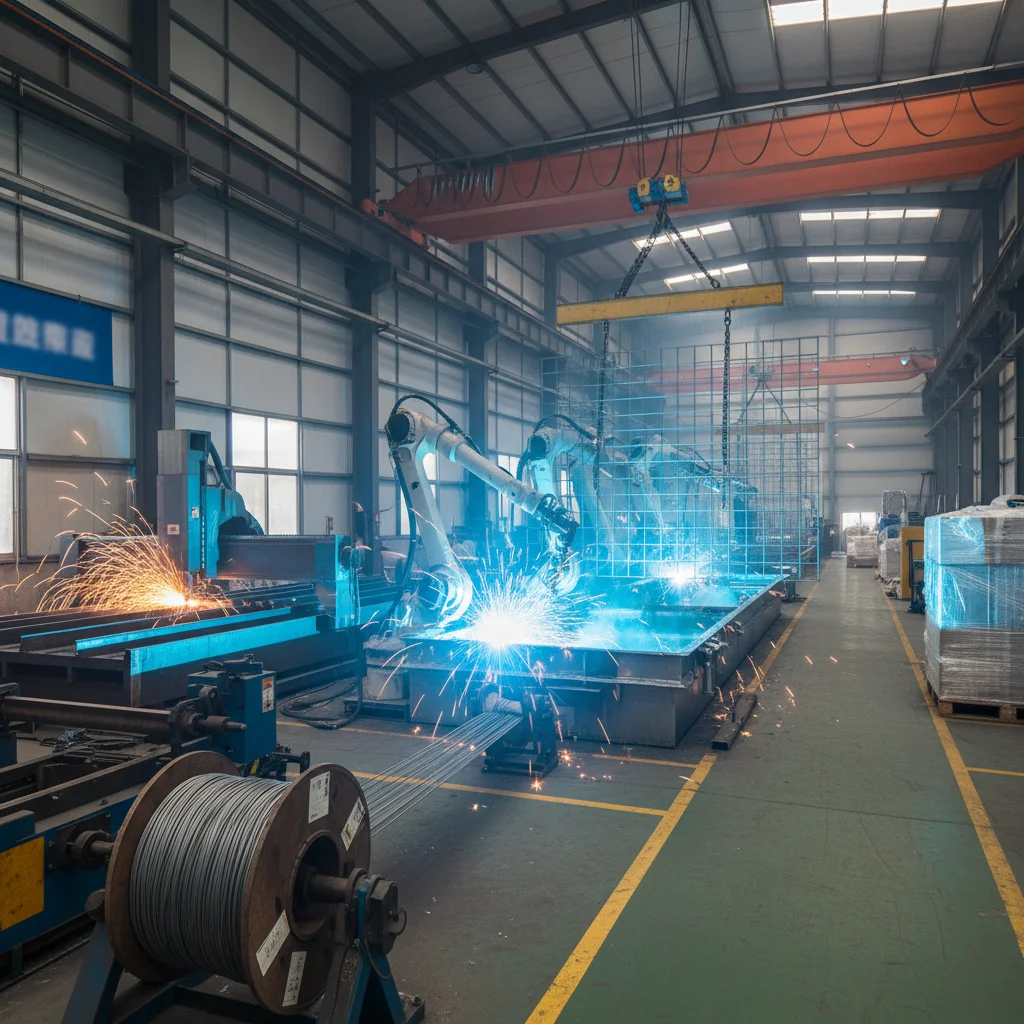
Precision welding is the second core component. In a professional welded wire mesh rolls factory, automated CNC welding machines control the current, pressure, and time for every single joint. This eliminates human error and ensures that every intersection in the roll possesses the same shear strength, preventing "weak links" that could lead to catastrophic failure in structural reinforcement.
Finally, surface treatment defines the longevity of the product. Whether it is hot-dip galvanizing, epoxy coating, or PVC cladding, the welded wire mesh rolls factory must apply these coatings uniformly. For Marine Pipeline Reinforced Mesh, a multi-layer anti-corrosion coating is essential to prevent chloride ions from penetrating the steel and initiating rust, which would otherwise compromise the structural integrity of the pipeline.
Strategic Global Applications and Use Cases
The applications of products from a welded wire mesh rolls factory are incredibly diverse, spanning from heavy civil engineering to agricultural security. In the North Sea oil fields, for example, Marine Pipeline Reinforced Mesh is used to encapsulate pipelines, protecting them from anchor drags and underwater currents. This specialized application requires a mesh that is not only strong but flexible enough to be rolled and wrapped around curved surfaces.
In urban centers across Asia and North America, these mesh rolls are utilized in "green wall" installations and reinforced slope stabilization. By providing a stable grid, the welded wire mesh rolls factory enables the growth of vegetation on vertical surfaces while preventing soil erosion. This blend of industrial strength and ecological utility highlights the versatility of welded steel in modern sustainable architecture.
Efficiency Ratings of Various Welded Wire Mesh Rolls Factory Methods
Long-Term Value and Economic Advantages
Investing in high-quality products from a reputable welded wire mesh rolls factory yields significant long-term economic benefits. The primary advantage is the reduction in lifetime maintenance costs. When Marine Pipeline Reinforced Mesh is engineered with superior corrosion resistance, the frequency of underwater inspections and repairs is drastically lowered, saving operators millions of dollars in operational expenditures over several decades.
Beyond the financial metrics, there is a profound emotional and logical value in "reliability." In critical infrastructure, the peace of mind knowing that a structure is reinforced by industry-leading mesh allows engineers to push the boundaries of design. The trust established between a welded wire mesh rolls factory and its clients is built on the consistency of the product, ensuring that safety standards are not just met, but exceeded.
Future Trends in Mesh Manufacturing Technology
The future of the welded wire mesh rolls factory is inextricably linked to the digital transformation of the manufacturing sector. We are seeing the introduction of "Smart Mesh," where sensors are embedded within the welded structure to monitor stress and corrosion in real-time. This integration of IoT (Internet of Things) allows for predictive maintenance, alerting engineers to potential failures before they occur, particularly in deep-sea pipeline reinforcements.
Sustainability is another driving force. Leading factories are now pivoting toward "Green Steel," using hydrogen-based reduction processes to lower the carbon footprint of their wire production. By adopting circular economy principles, a welded wire mesh rolls factory can recycle scrap steel more efficiently, reducing the environmental impact of mining and smelting without compromising the strength of the Marine Pipeline Reinforced Mesh.
Automation and AI are also optimizing the production line. AI-driven quality control systems can now detect microscopic weld flaws using high-speed cameras and machine learning algorithms, ensuring that 100% of the rolls leaving the welded wire mesh rolls factory are defect-free. This level of precision is essential for the next generation of ultra-high-strength infrastructure projects.
Overcoming Challenges in Welded Wire Mesh Logistics
One of the most persistent challenges for any welded wire mesh rolls factory is the logistics of transporting heavy, bulky rolls across international borders. The weight of high-tensile steel combined with the awkward dimensions of the rolls can lead to high shipping costs and potential damage during transit. To solve this, factories are innovating with vacuum-packing and reinforced outer-shell packaging to protect the coatings from abrasion.
Another limitation is the customization lead time. Many projects require specific gauge wires and custom aperture sizes for their Marine Pipeline Reinforced Mesh, which can slow down the production cycle. To overcome this, a modern welded wire mesh rolls factory employs modular production lines that can be quickly reconfigured, allowing for "just-in-time" delivery of customized rolls to the construction site.
Finally, ensuring global compliance with varying national standards (such as ASTM, DIN, or GB) remains a hurdle. The solution lies in the adoption of universal quality management systems. By certifying their processes under international standards, a welded wire mesh rolls factory can provide a "universal passport" for its products, streamlining the customs and approval process for global infrastructure projects.
Analysis of Operational Dimensions in a Welded Wire Mesh Rolls Factory
| Production Metric |
Material Grade |
Corrosion Resistance |
Application Suitability |
| High-Tensile Strength |
Cold-Drawn Steel |
Medium (Galvanized) |
Civil Infrastructure |
| Marine Grade Resilience |
Stainless Steel 316 |
Extreme (Passive Layer) |
Offshore Pipelines |
| Economic Reinforcement |
Low Carbon Steel |
Low (Zinc Plated) |
Agricultural Fencing |
| Chemical Resistance |
Alloy Steel |
High (Epoxy Coated) |
Industrial Flooring |
| Rapid Deployment |
Galvanized Steel |
Medium (Hot-Dip) |
Emergency Shelters |
| Heavy-Duty Support |
Hardened Steel |
Medium (Powder Coated) |
Mining Support |
FAQS
A specialized factory focuses on the precision of the weld and the uniformity of the roll. Unlike general producers, they utilize CNC-controlled resistance welding and strict quality testing for shear strength, ensuring that the mesh doesn't separate under heavy loads, which is critical for applications like Marine Pipeline Reinforced Mesh.
Depending on the coating, high-grade mesh from a professional welded wire mesh rolls factory can last 25 to 50 years. Using 316 stainless steel or advanced multi-layer epoxy coatings significantly slows the oxidation process, maintaining structural integrity even in highly saline conditions.
Yes, a top-tier welded wire mesh rolls factory offers full customization. They can adjust the wire gauge, aperture size, and roll width to ensure a perfect fit around specific pipeline diameters, reducing waste and installation time on-site.
Modern factories are adopting green technologies, such as energy-efficient resistance welding and closed-loop water cooling systems. Many are also sourcing "green steel" to reduce the overall carbon footprint of the manufacturing process.
Request Mill Test Certificates (MTC) and third-party inspection reports (such as SGS or TUV). A reputable welded wire mesh rolls factory will provide documentation on tensile strength, weld shear tests, and coating thickness (micron level).
Rolls offer superior flexibility and ease of transport. They can be wrapped seamlessly around the circumference of a pipeline, providing continuous reinforcement without the gaps or overlaps often found when using pre-cut panels.
Conclusion
In summary, the operational excellence of a welded wire mesh rolls factory is a fundamental driver of modern infrastructure safety. By combining high-purity materials, precision automated welding, and advanced anti-corrosion coatings, these factories provide the essential Marine Pipeline Reinforced Mesh that protects our most critical energy and water assets. The transition from simple wire production to engineered structural solutions represents a leap in industrial reliability and economic efficiency.
Looking forward, the industry will continue to evolve through the integration of smart monitoring and sustainable manufacturing practices. For engineers and project managers, the key to long-term success lies in partnering with a factory that prioritizes quality over volume and innovation over tradition. We invite you to explore the future of reinforced mesh solutions by visiting our website: www.djpipelinemesh.com.